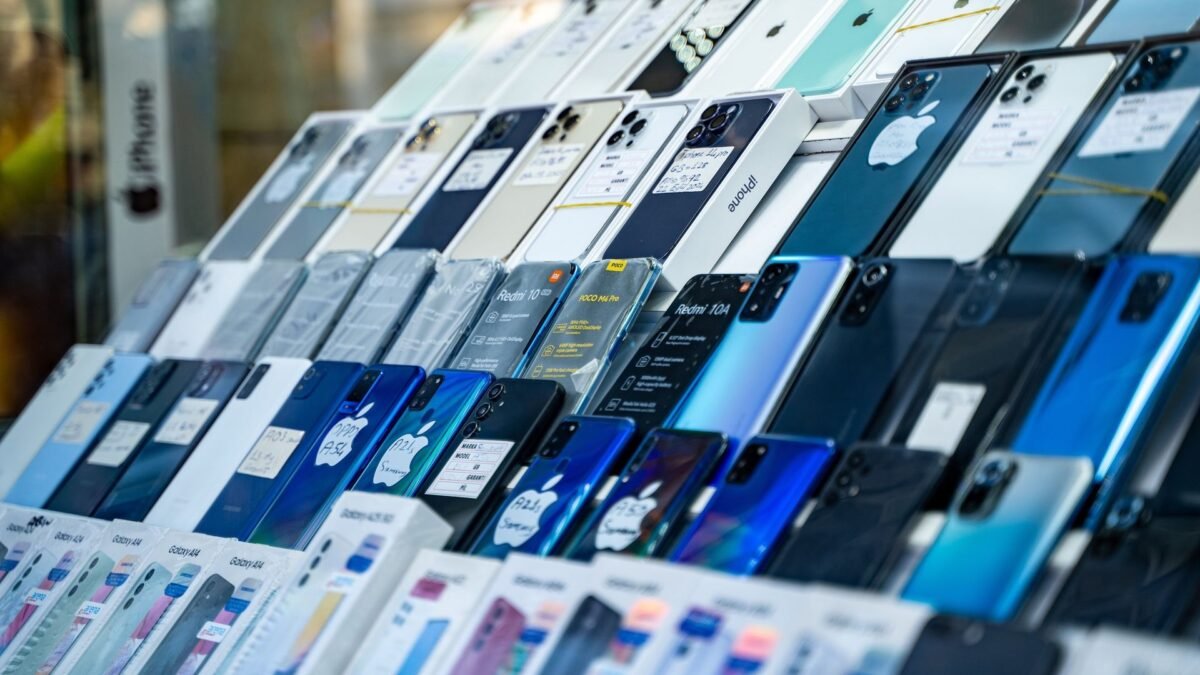
Reballed memory, a recycled component salvaged from older or discarded electronics, is moving from a niche workaround to a more visible cost-control tactic in the smartphone industry. Market intelligence firm TrendForce estimates that these reused chips currently account for roughly 3–4% of memory penetration, concentrated in entry-level and budget handsets. That share is projected to climb to 7–9% by 2027.
The term describes a physical process: solder balls on a used memory chip are melted so the component can be lifted from an old device, then re-soldered onto a new one. Instead of discarding the chip, manufacturers get a cheaper alternative to fresh stock, which helps contain production expenses.
Where Reballed Chips Are Showing Up
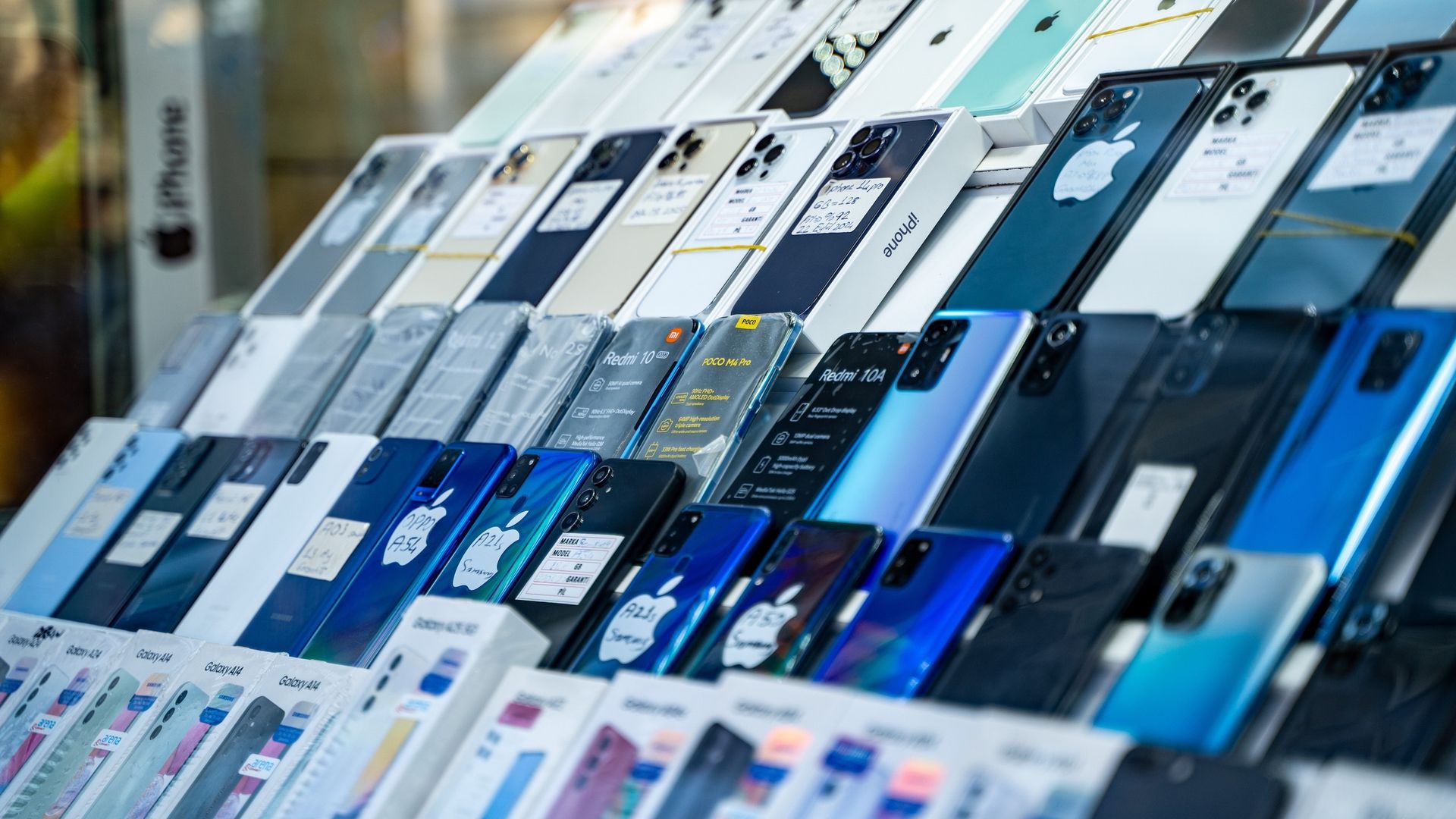
Most of the recycled supply today consists of 4GB LPDDR4X modules. These are typically found in 4G smartphones priced below CNY 1,299, or about $200. That segment is especially price-sensitive, leaving brands with little room to raise retail prices without dampening demand. Reballed memory helps offset rising bill-of-materials costs while keeping entry-level devices affordable.
The pressure is unlikely to ease soon. TrendForce expects DRAM prices to rise further in the first quarter of 2027, which could push manufacturers to look beyond the budget tier. Recycled memory and other lower-specification components may gradually appear in more premium smartphones as brands seek ways to manage expenses during a prolonged period of high memory prices.
A Technical Challenge, Not a Simple Swap
Reballing is far from straightforward, particularly given the tiny solder connections in modern ball grid array packages. The process demands specialized equipment and considerable expertise. Even so, the approach is drawing attention from manufacturers, repair specialists, and hardware enthusiasts alike as they look for alternatives to offset rising costs and limited availability of new memory.
Outside the smartphone world, a similar impulse is visible among PC hobbyists. One electronics enthusiast recently converted a $120 DDR5 SO-DIMM kit into desktop memory valued at around $1,000. The project involved salvaging an SK hynix 2x 16GB DDR5-5600 SODIMM kit purchased from Facebook Marketplace and reballing the chips onto custom desktop DIMM PCBs. The resulting modules were reportedly capable of reaching DDR5-7800 speeds.
Converting laptop memory into desktop DIMMs is technically demanding and requires both expertise and specialized equipment. But the experiment, like the broader move toward reballed memory in phones, illustrates how different corners of the hardware world are exploring ways to reuse existing memory as costs climb and supply stays tight.