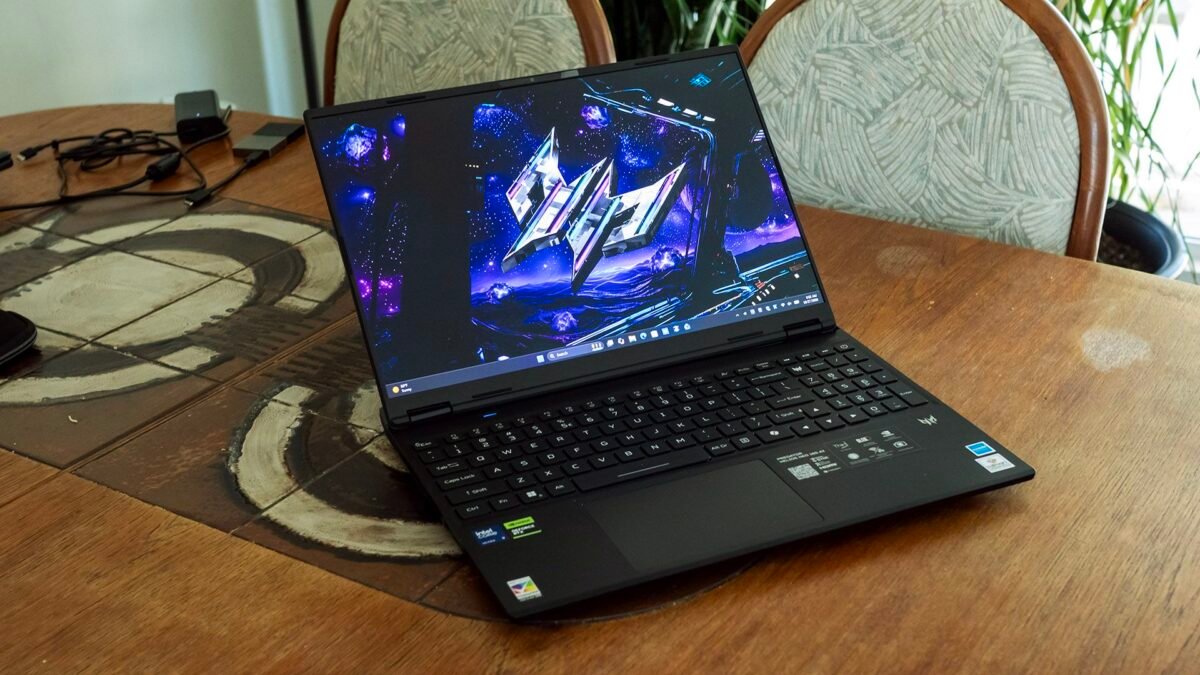
In our Acer Predator Helios Neo 16S AI review, we found a machine that balances power and portability in ways that mostly succeed—except when you unplug it. The laptop packs a Core Ultra 9 290HX Plus CPU and an Nvidia RTX 5070 Ti GPU into a chassis that weighs under five pounds, and it pairs that hardware with a stunning 240 Hz OLED display. But its battery life is a letdown for a device designed to be carried around.
Design and Build
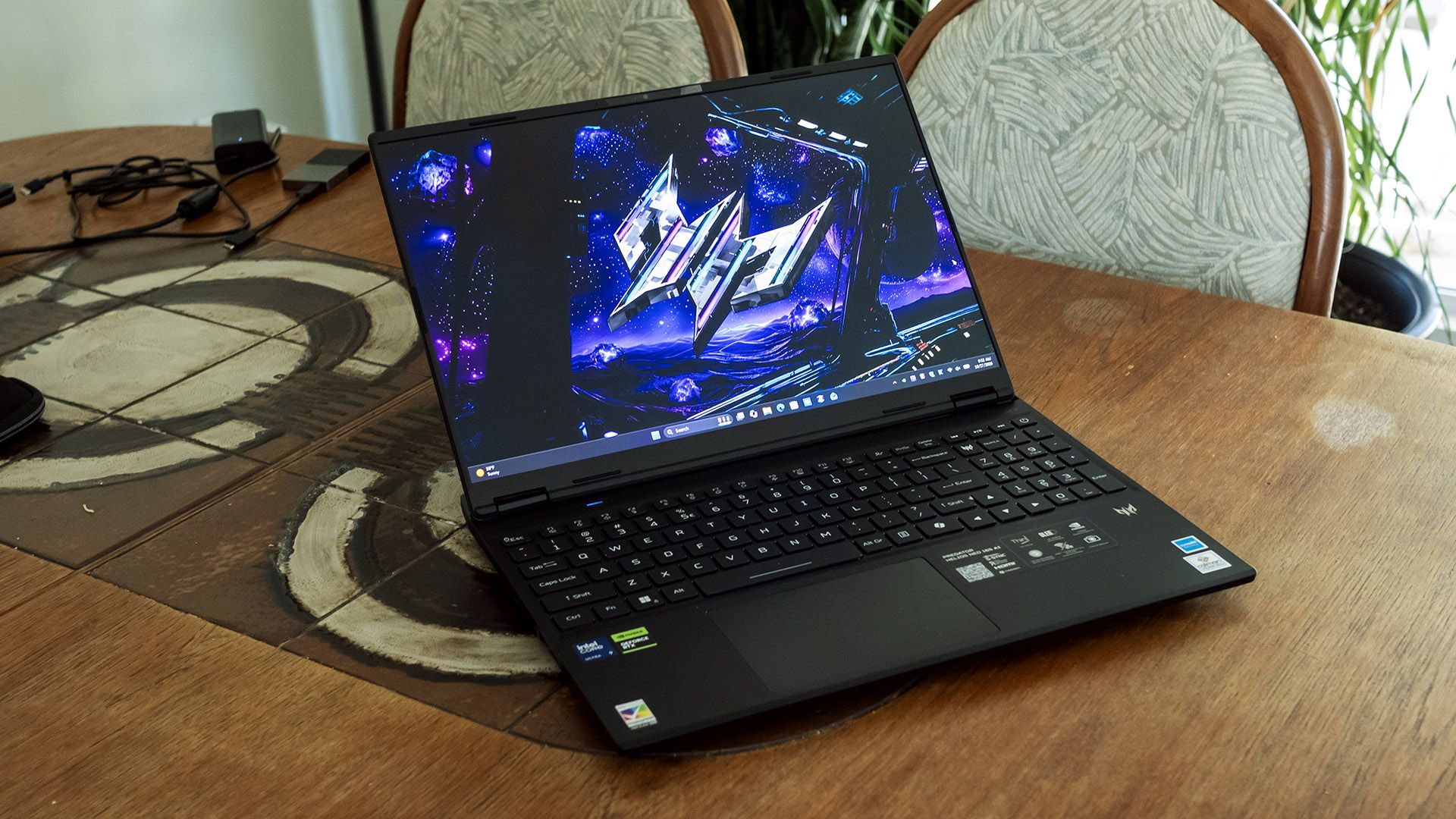
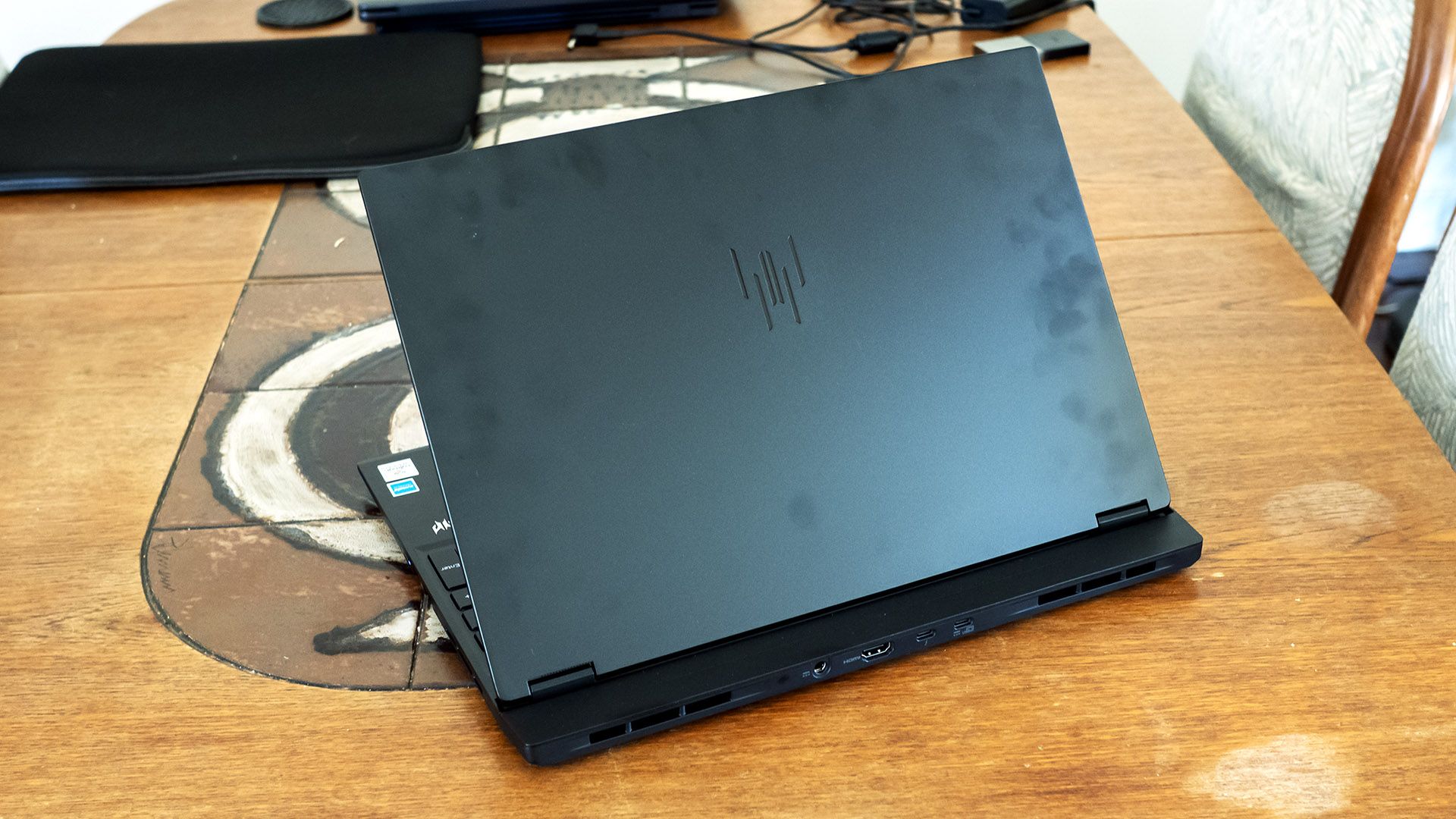
Acer sticks with its familiar obsidian black, angular look for the Predator line. At 14.05 x 10.85 x 0.74 inches and 4.85 pounds, the Helios Neo 16S AI is respectably trim for a gaming laptop, though its rear thermal shelf adds about an inch of depth compared with rivals like the Gigabyte Aero X16 and HyperX Omen 15. Build quality is solid: the chassis and lid show little flex, and the stamped aluminum panels beat typical plastic. The metal does pick up fingerprints easily, though, and they are hard to wipe away.
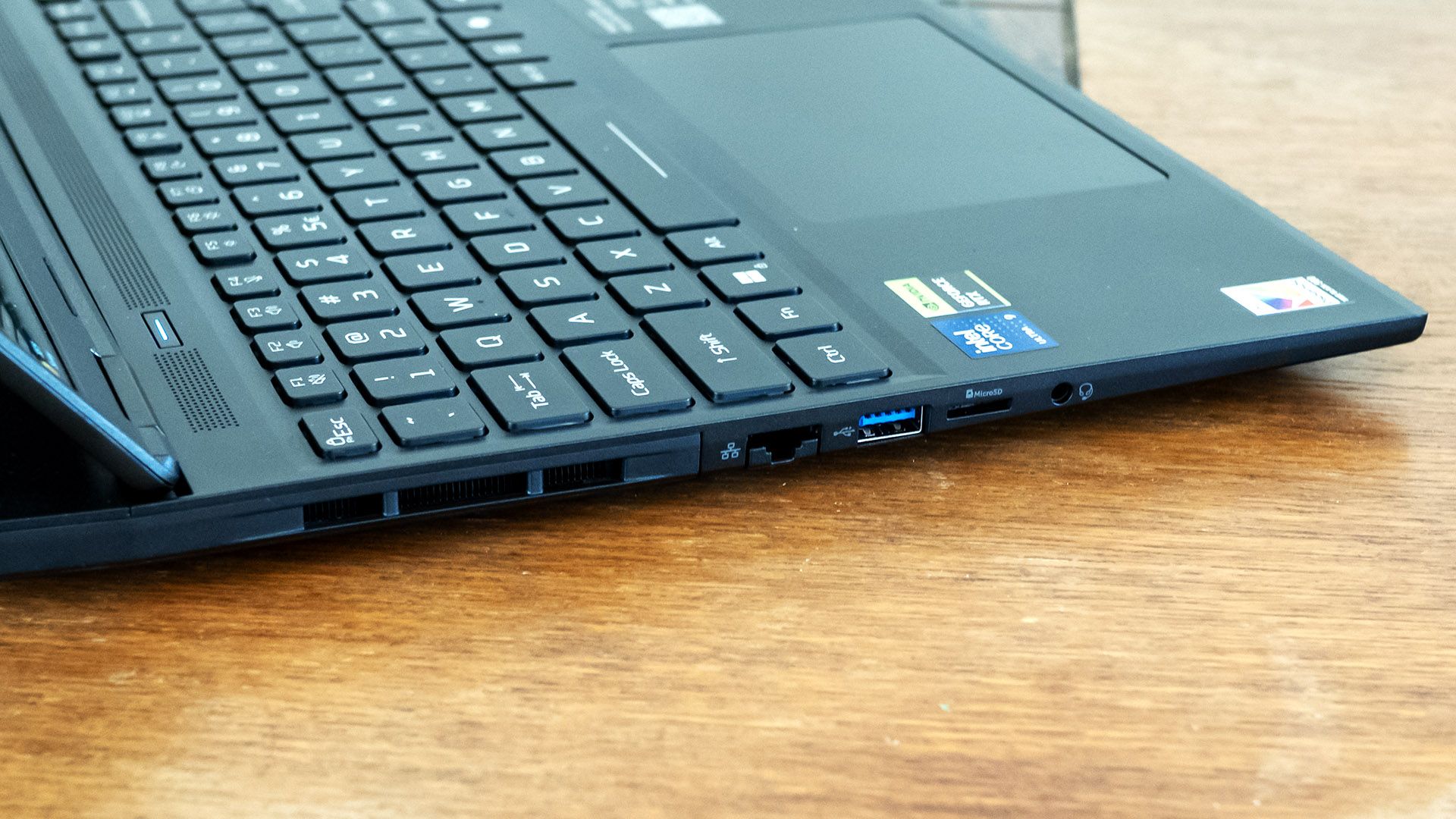
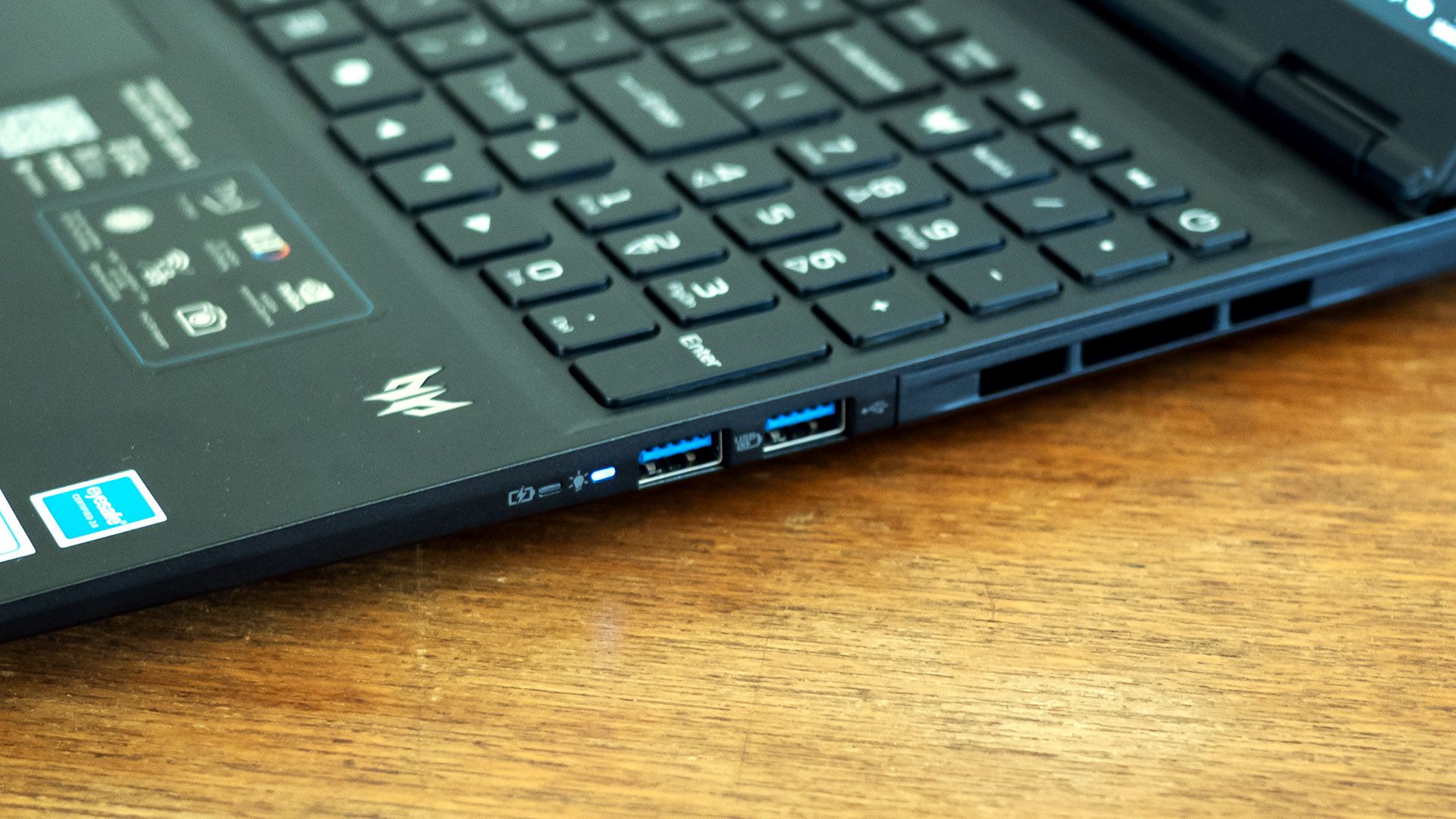
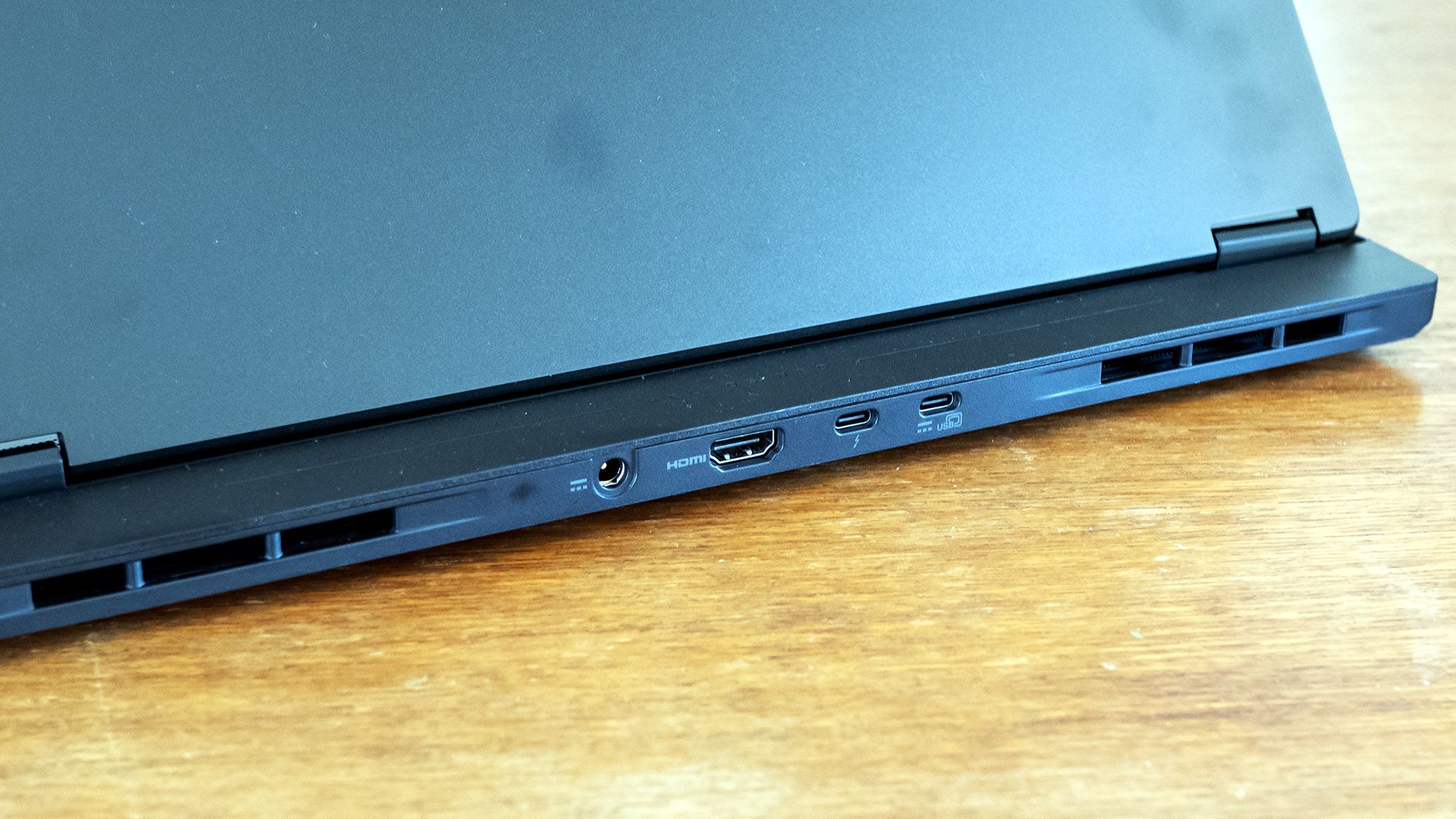
Port selection is generous across three sides, including Thunderbolt 4, three USB-A 3.2 ports, USB-C 3.2, HDMI 2.1, 2.5 Gbps Ethernet, a MicroSD reader, and an audio jack. Rear ports keep cables out of sight. Networking comes via Wi-Fi 6E and a Killer AX1675i card, which supports Killer Doubleshot Pro for prioritizing game traffic over one connection while other apps use another. Acer also includes a zippered, padded travel sleeve.
Gaming and Graphics Performance
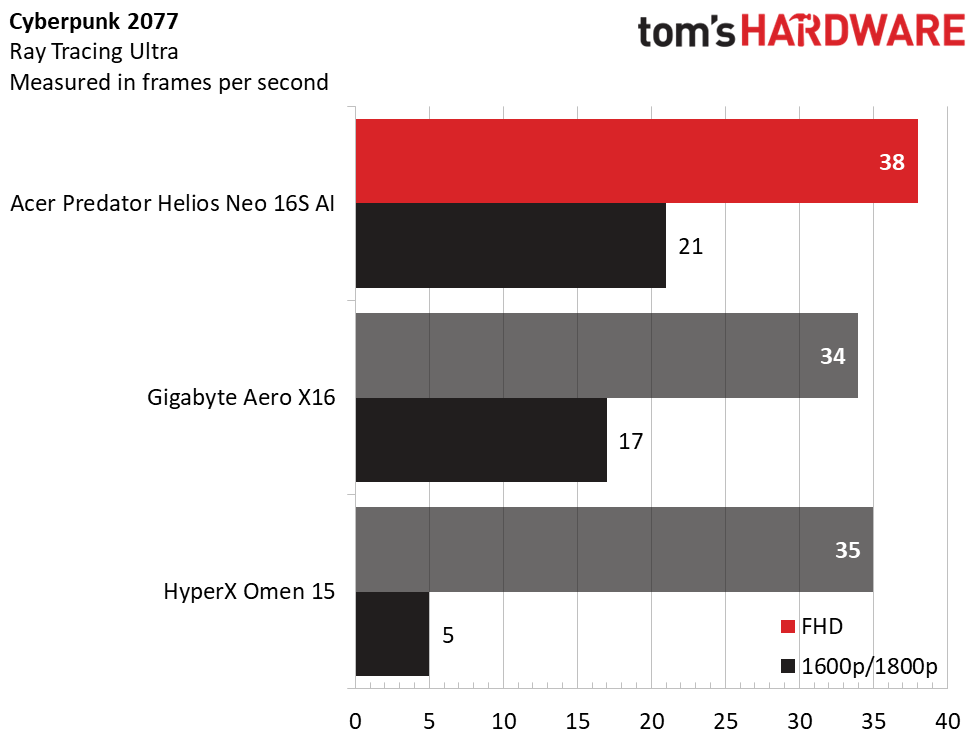
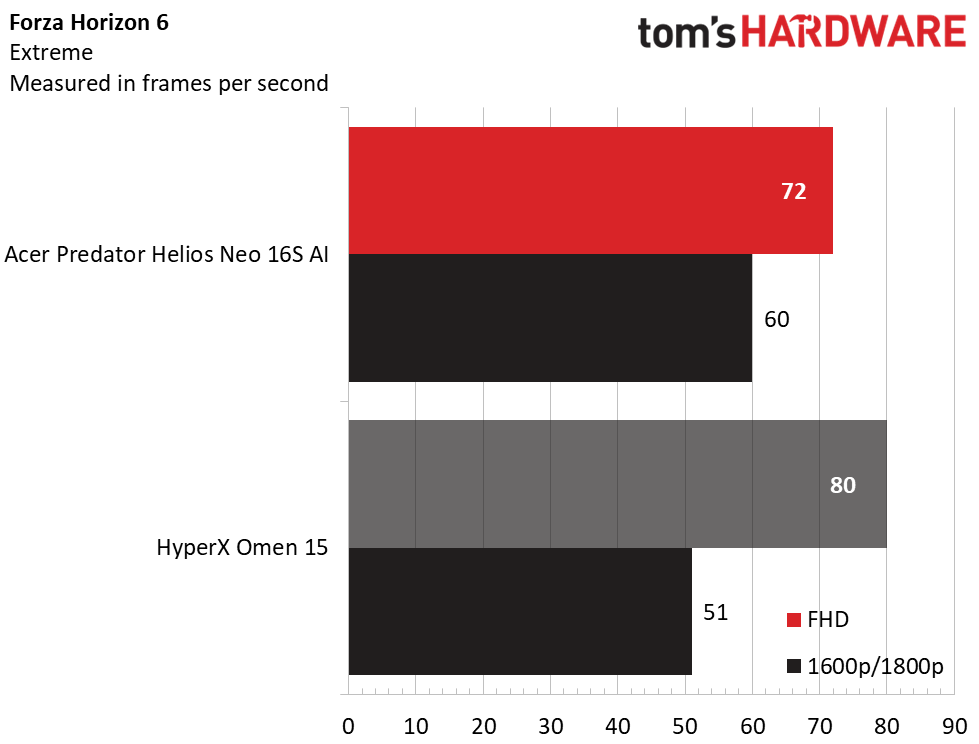
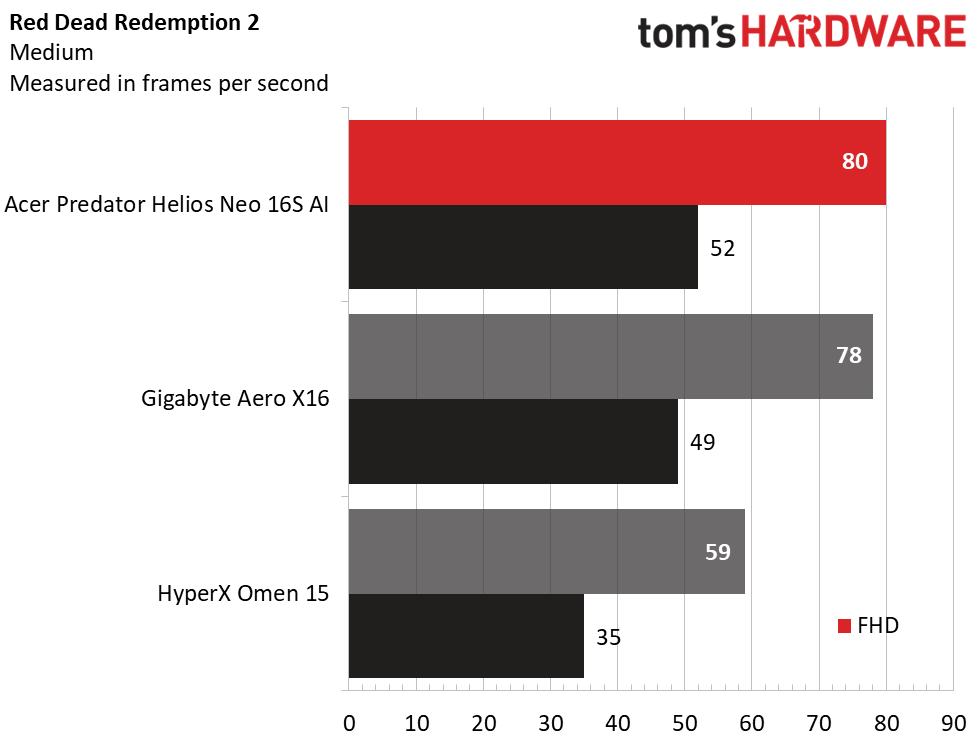
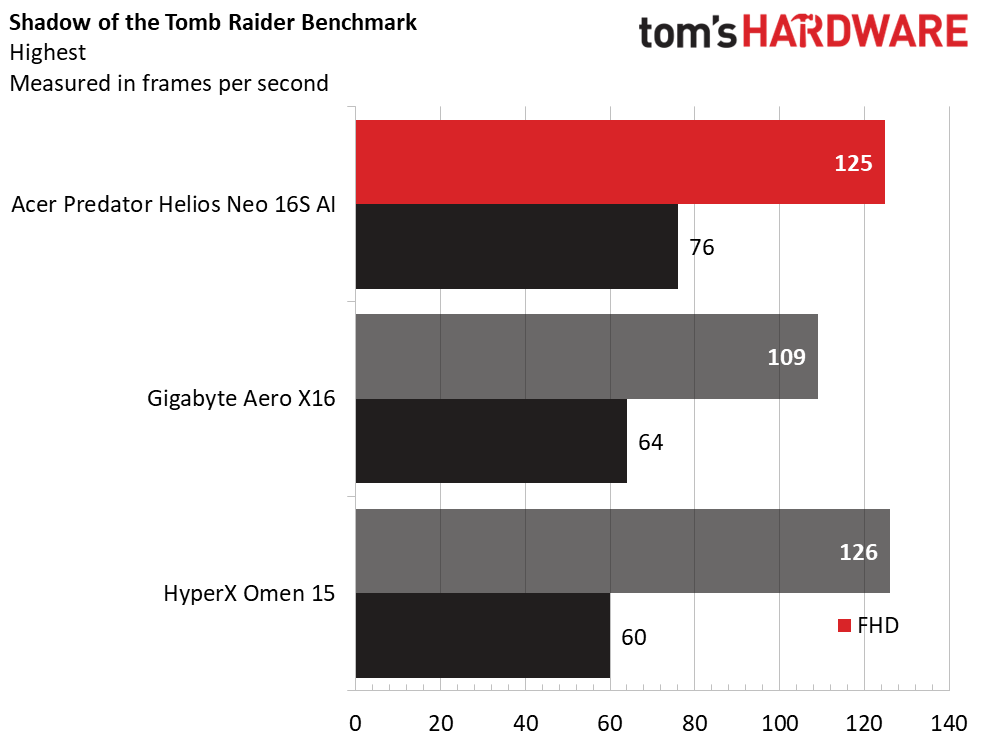
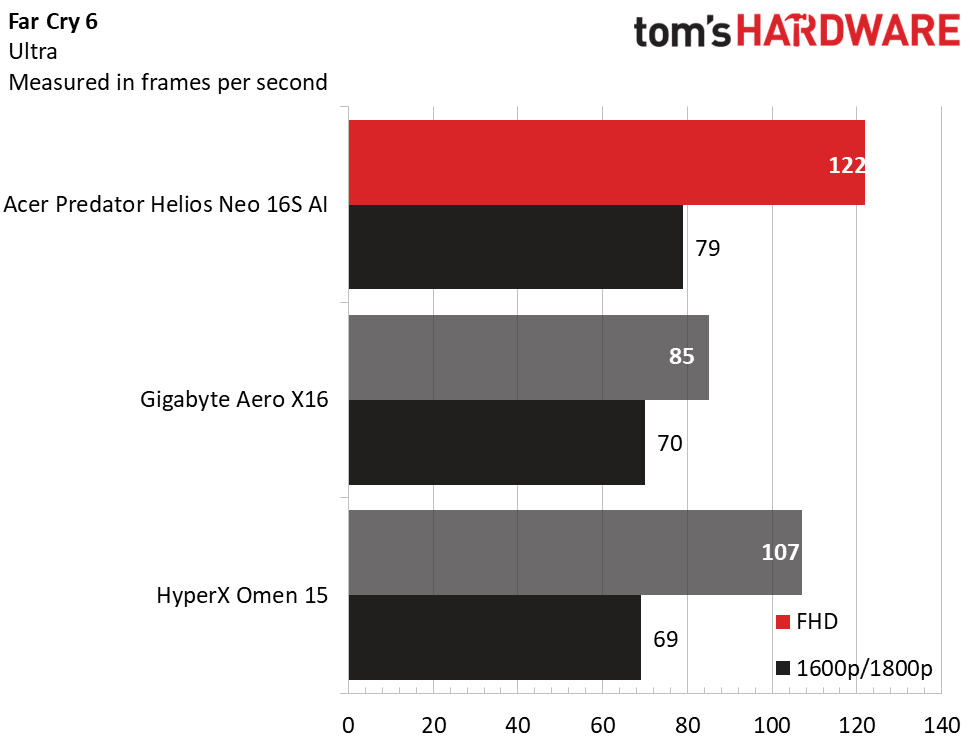
With the RTX 5070 Ti running at up to 115 W—more than the 85 W competitors—the Helios Neo 16S AI handled games well at its 2560 x 1600 native resolution. In 007 First Light, we saw 65 to 75 frames per second in most scenes, with spikes above 100 FPS in open areas, though DLSS was needed at High settings. Against the Gigabyte Aero X16 and HyperX Omen 15, the Acer generally led. In Shadow of the Tomb Raider, it hit 76 FPS at native resolution versus 60 and 64 for the others. Far Cry 6 produced 122 FPS for the Acer, compared with 85 and 107. Cyberpunk 2077 with ray tracing was tougher, but the Acer still managed 21 FPS at native, ahead of 17 and 5. Forza Horizon 6 was an exception at 1080p, where the HyperX edged ahead, but the Acer regained the lead at native resolution.
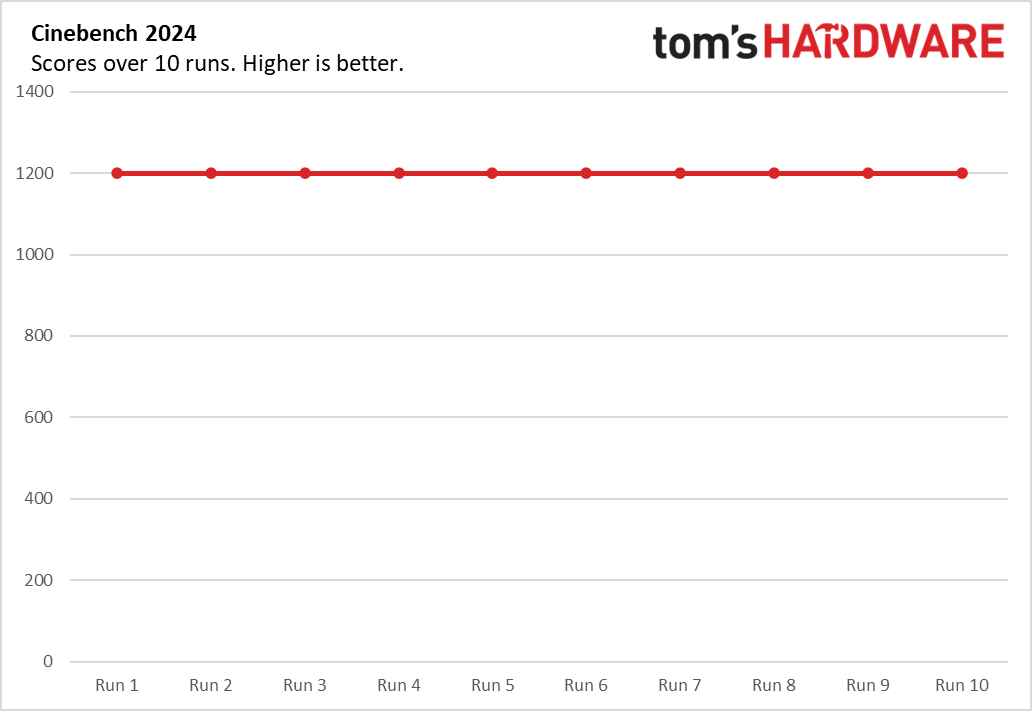
Sustained performance was stable in our 15-loop Metro: Exodus stress test, averaging 86.82 FPS with less than one FPS variance between runs. The CPU averaged 2.94 GHz on P-cores and 2.16 GHz on E-cores at 73°C, while the GPU ran at 1.622 GHz and 74°C.
Productivity and Display
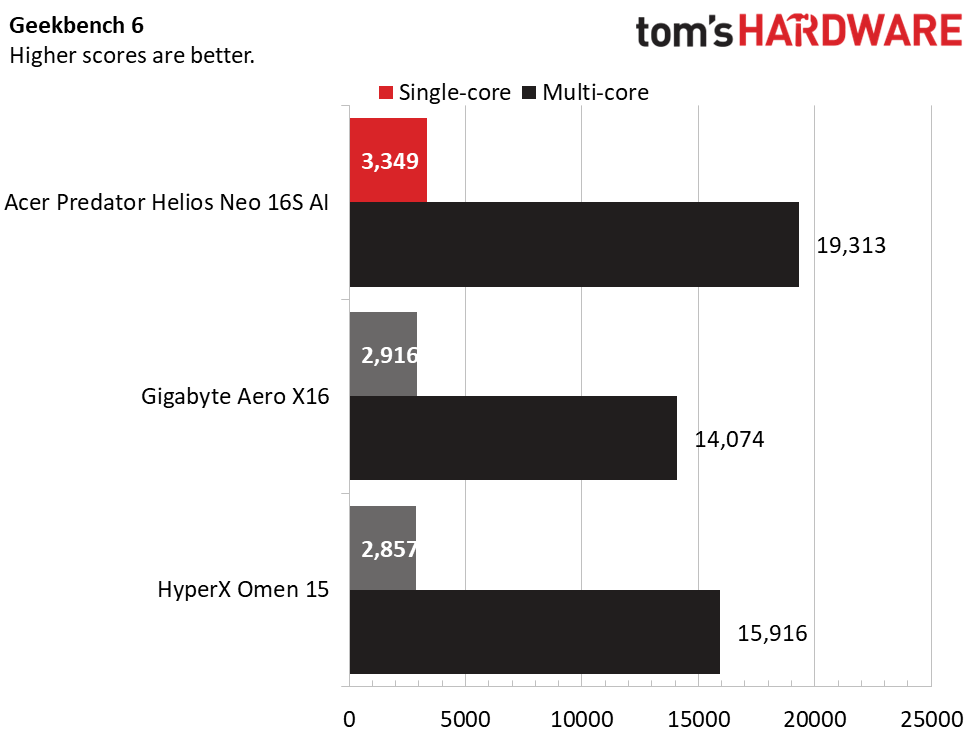
The Core Ultra 9 290HX Plus delivered strong productivity results. Geekbench scores of 3,349 single-core and 19,313 multi-core outpaced both comparison laptops. A 4K-to-1080p Handbrake transcode finished in 2 minutes and 30 seconds, well ahead of the Gigabyte (3:54) and HyperX (3:39). Our 25GB file transfer averaged 2,034.84 MBps, also the fastest. The 16GB of DDR5-6400 memory may limit heavy multitasking, but Acer offers 32GB configurations and the RAM is upgradeable.
The 16-inch OLED screen is a highlight. Its 2560 x 1600 resolution balances detail and performance, while the 240 Hz refresh rate and G-Sync support make games fluid. Colors are vivid and blacks are deep; the panel covered 82.7% of DCI-P3 and reached 372.4 nits in SDR and 608 nits in HDR testing. The glossy finish adds a liquid-like appearance. However, the screen is locked at 240 Hz, which contributes to higher power draw.
Keyboard, Audio, and Upgradeability
The keyboard offers satisfying throw and cushioning, and we typed at 116 words per minute with 99% accuracy in MonkeyType. Four-zone RGB lighting is customizable through the PredatorSense app, though per-key lighting is absent. The large touchpad tracks smoothly and clicks predictably.
Audio is a weak point. The twin palm-rest speakers lack volume and bass, making them suitable mainly for casual gaming; a headset is recommended. The DTS:X app provides equalizers, with Auto yielding the best results.
Upgrading requires removing ten Torx T6 screws and prying the bottom cover, which takes some effort. Inside, you’ll find two SODIMM slots, an M.2 2280 SSD slot, an M.2 2230 wireless card slot, and a replaceable battery.
Battery Life and Thermals
Battery life is the biggest compromise. Despite a 92 WHr battery, the Helios Neo 16S AI trailed the HyperX by almost two hours and the Gigabyte by nearly two and a half hours in our web browsing, OpenGL, and video streaming test at 150 nits. The 240 Hz screen is largely to blame, as it lacks variable refresh rate or a lower refresh option.
Surface temperatures during the stress test peaked at 103°F between the G and H keys, 81°F on the touchpad, and 129°F on the bottom center. Fan noise is audible while gaming but minimal during daily use.
Webcam, Software, and Configuration
The 1080p webcam produces a sharp and handles highlights well. It supports infrared facial recognition but lacks a privacy shutter. PredatorSense centralizes power profiles, system monitoring, and lighting controls. Acer also preloads a long list of apps, many of which are store links, plus some bloatware like a McAfee trial and Dropbox promotion.
Our review unit costs $2,774.99 at Best Buy, though it briefly dropped to $1,999.99. A 32GB model lists for $3,199.99 but was discounted to $2,459.99 during testing. Acer’s site also lists a $2,099.99 model with an RTX 5060, though we didn’t find it for sale.
Bottom Line
The Acer Predator Helios Neo 16S AI delivers strong gaming performance and a gorgeous OLED display in a relatively slim package, backed by a comfortable keyboard and good upgradeability. But its short battery life undercuts the