Starlink redundancy is the overlooked selling point that separates satellite internet from the cable and phone-line connections most households take for granted. The service is often marketed around remote access, but its deeper advantage is architectural: a low Earth orbit constellation designed so that no single failure should take an entire region offline.
A Network Built to Absorb Failure
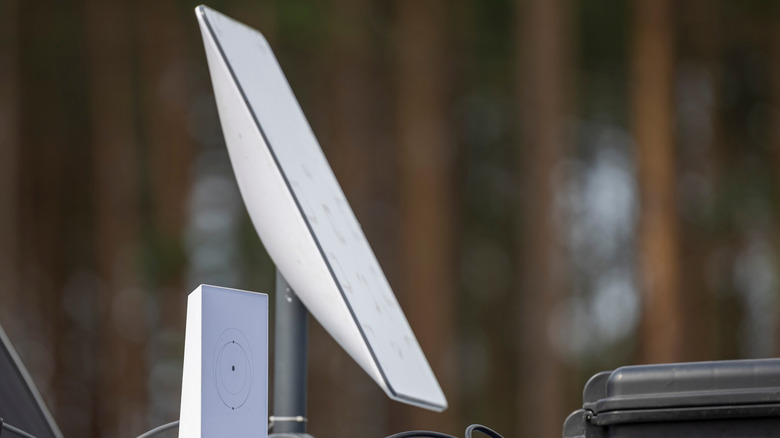
Starlink operates clusters of small satellites in low Earth orbit. As of October 2026, more than 11,000 working satellites were flying at altitudes between roughly 205 and 311 miles. SpaceX keeps launching more, both to grow coverage and to replace malfunctioning units, so a cluster should generally be overhead at any given time.
That design contrasts with terrestrial internet, where a single severed cable or failed server can knock customers offline for hours. In a satellite constellation, a failed unit can be covered by another in the same cluster. Even physical obstacles are less of a problem than they might seem, because the cluster approach usually leaves at least one satellite with a workable angle, provided the dish is positioned correctly.
The coverage is expected to improve further. SpaceX has filed with the US Federal Communications Commission to operate as many as 100,000 Gen3 satellites, following approval to expand Gen2 numbers to 15,000. For subscribers who can afford the dish and its upkeep, that points to internet access that could become highly resilient, barring power outages or other rare disruptions.
Where the Resilience Argument Breaks Down

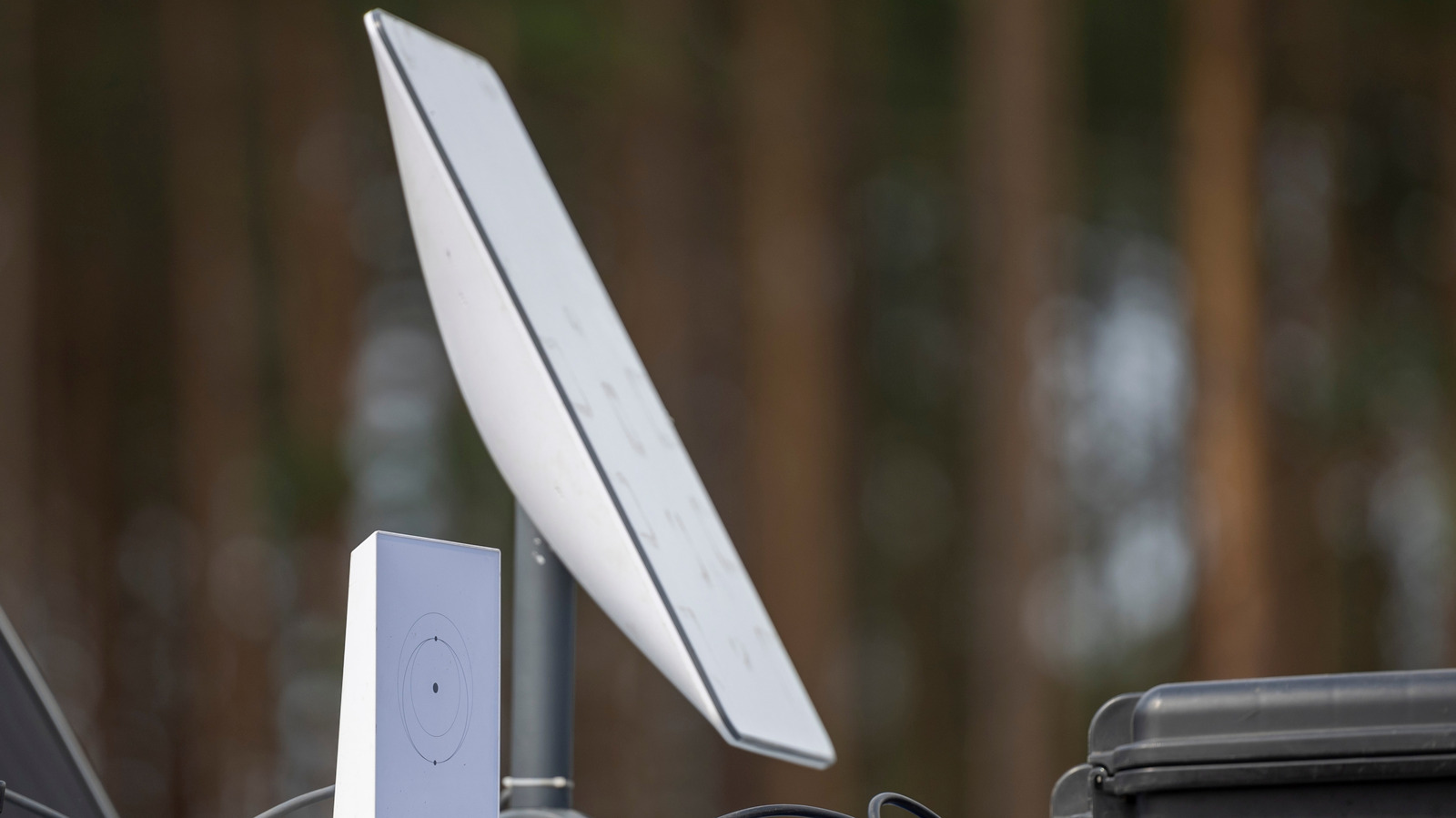
Current-generation dishes are engineered for harsh conditions. They can melt snow and operate in temperatures from -40 to 110 degrees Fahrenheit. When mounted properly, they are rated to withstand heavy rain and winds above 99 miles per hour.
Real-world performance is less absolute. Snow melting takes time, and the dish produces regular, brief interruptions as it switches from one satellite to another. Longer outages remain possible because of extreme weather, a systemic problem on Starlink’s side, or trouble elsewhere on the internet. Satellite count offers little help if a particular trunk of the terrestrial internet is struggling with its local ground infrastructure.
Latency-sensitive users may also want to look elsewhere. Those momentary signal blips can be damaging for real-time activities such as online gaming. In a competitive shooter, a split second can decide whether a player lands a shot or takes one.
Who Should Weigh Starlink Redundancy

The resilience case is strongest for people who value continuity over raw speed and who are prepared for the equipment costs. In the US, UK and Canada, basic landline options are widely available, so Starlink has to justify itself on more than coverage alone. Its answer is a network that can route around individual failures rather than depend on a single physical path.
That does not make it bulletproof. It makes it different, and for some users, that difference is the reason to sign up.