Smart refrigerators have become increasingly common in appliance showrooms, promising conveniences like temperature control via Wi-Fi, door-open alerts, and even interior cameras. But before you pay a premium for these features, it’s worth examining the potential downsides that could affect your wallet, your privacy, and your long-term satisfaction.
The Price Premium
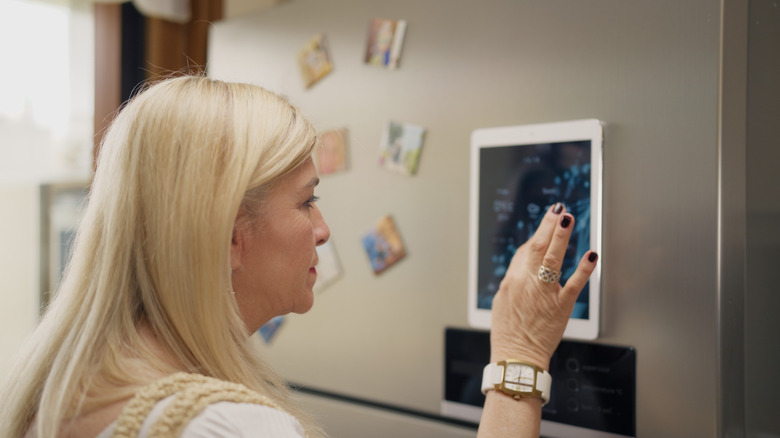
For basic smart features, the cost difference between a standard fridge and a connected one is often small. However, as the technology becomes more advanced, the price gap widens dramatically. In September 2026, Samsung offered two versions of its four-door Bespoke refrigerator, both 29 cubic feet: a $5,000 AI model with a touchscreen display, and a $3,600 variant with some smart features but a beverage center instead of a screen. That $1,400 difference could buy a whole other appliance, so it’s worth questioning whether the extras justify the expense.
Privacy and Security Concerns
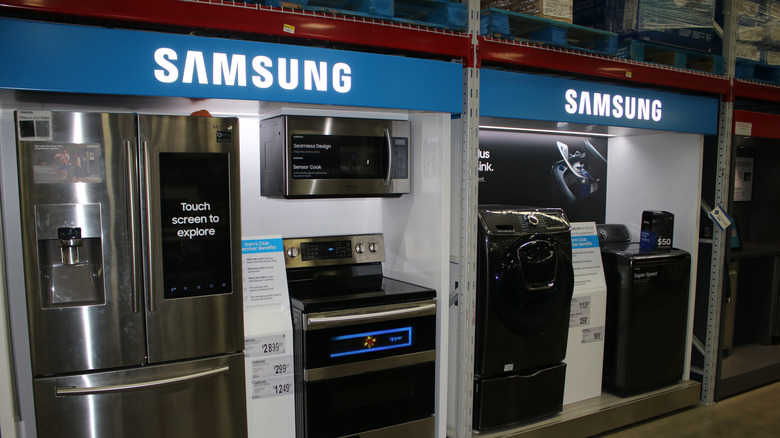
Connecting your fridge to the internet adds another entry point to your home network. While your household is unlikely to be a target, the risk isn’t purely theoretical—commercial freezers in Europe were recently sabotaged by hackers. Beyond security, data collection is a growing issue. Manufacturers routinely gather information from smart appliances, sometimes for practical purposes but also for marketing. Samsung’s touchscreen fridges, for instance, display ads unless you disable them.
Repair and Obsolescence

Smart features can help diagnose problems, but they also introduce more components that can fail, potentially increasing service costs. The bigger long-term worry is software support. Consumer electronics are often cut off from updates relatively quickly—for example, watchOS 27 cannot be installed on the 2022 Apple Watch Ultra. Since home appliances typically last eight to 19 years, there’s a real risk that a manufacturer will stop supporting your fridge’s apps and services long before the hardware wears out, especially if maintaining old software becomes a financial burden.
Is a Smart Fridge Worth It?
That depends on your priorities. If you’re cost-conscious, you’re better off focusing on the fundamentals: storage space, energy efficiency, and even cooling. A touchscreen won’t help if you can’t fit a gallon of juice or if your leftovers freeze unexpectedly. And let’s face it—generations have managed without an app to remind them about the door or restock milk.
If you want a family hub, a smart display is a far more cost-effective solution. Amazon’s Echo Show 16 is $500, doubles as a TV, and can be replaced easily. Apple fans have the $300 HomeView, and you can always use an iPad or Android tablet, though those aren’t optimized for family sharing.
Smart fridges can be tempting, especially with discounts or perks. But remember: you don’t have to activate the smart features. You can stay disconnected and eliminate every concern except the initial sticker shock.