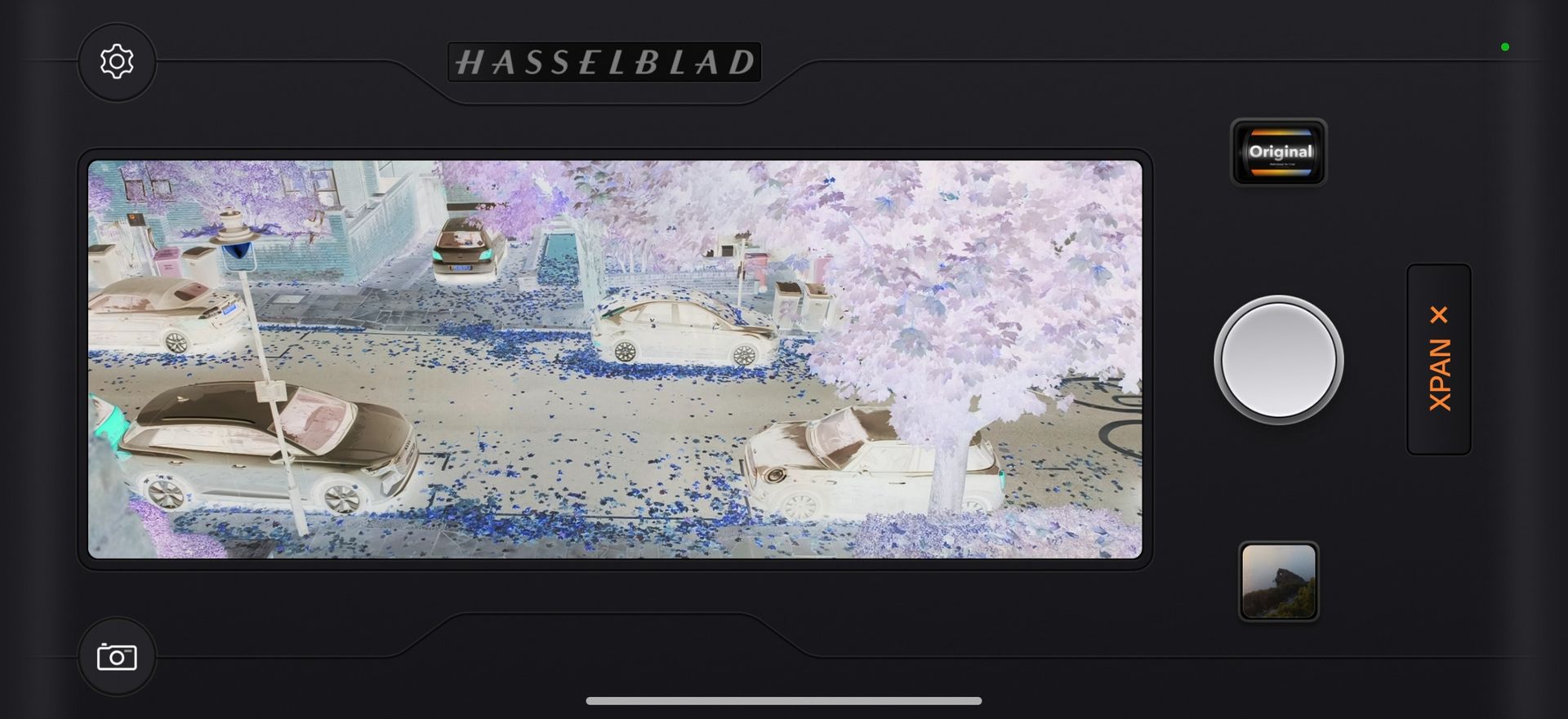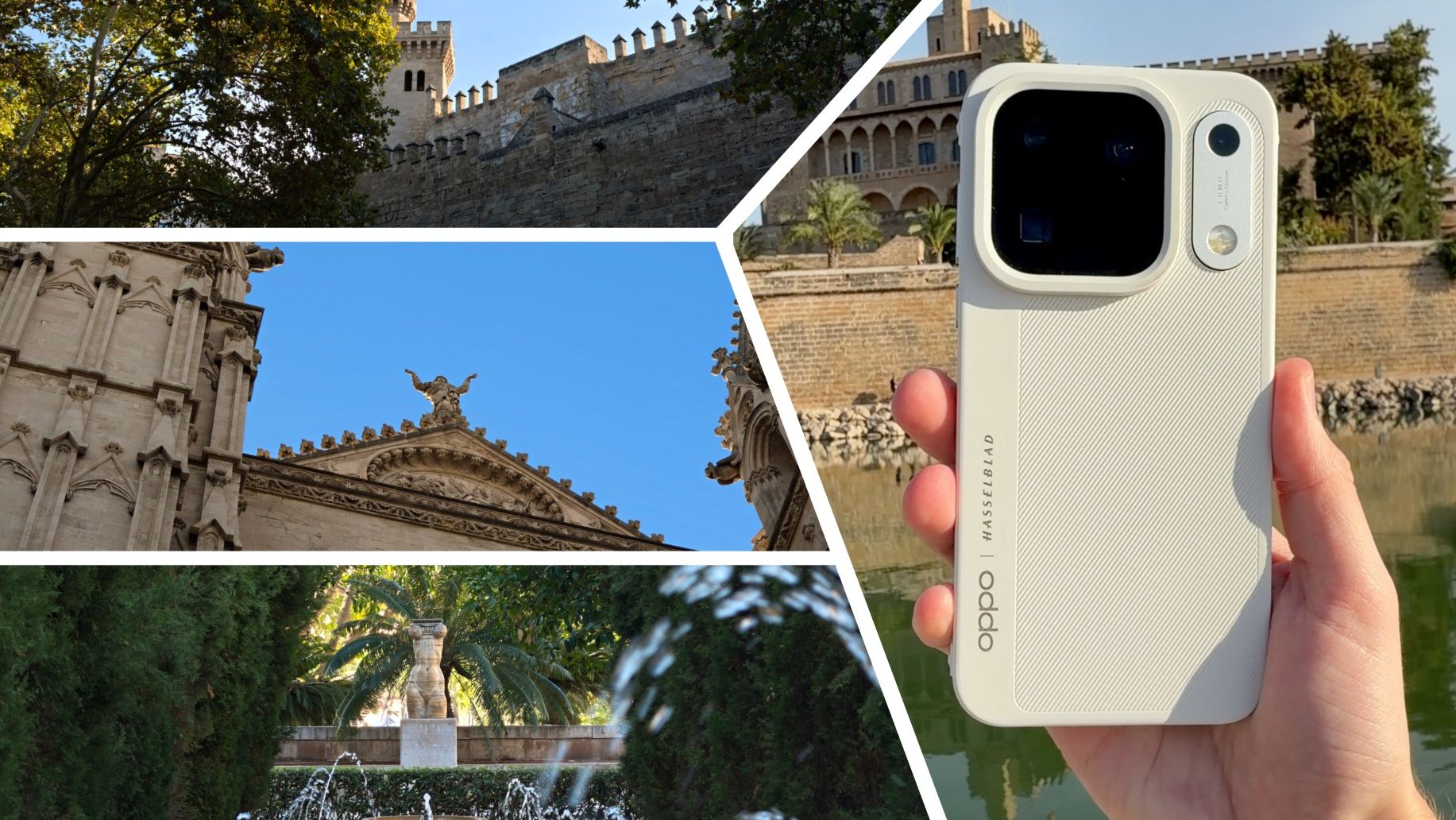

Buried in the camera app of the Oppo Find X10 Pro Max is a feature that changes how you frame a scene before you even press the shutter. Oppo XPAN mode captures images at a 65:24 aspect ratio, a panoramic format that stretches far beyond the standard frame and pulls more of a landscape, street or interior into view.
Where the Idea Comes From

XPAN is not an original name. It borrows directly from the Hasselblad XPan, a film camera that launched in 1998 and could shoot standard 35mm frames and panoramic images on the same roll. That flexibility made it a distinctive tool for photographers who wanted to switch between formats without carrying two bodies. Oppo’s digital version follows the same spirit: one camera, two ways of seeing.
Three Lenses, One Panoramic Frame
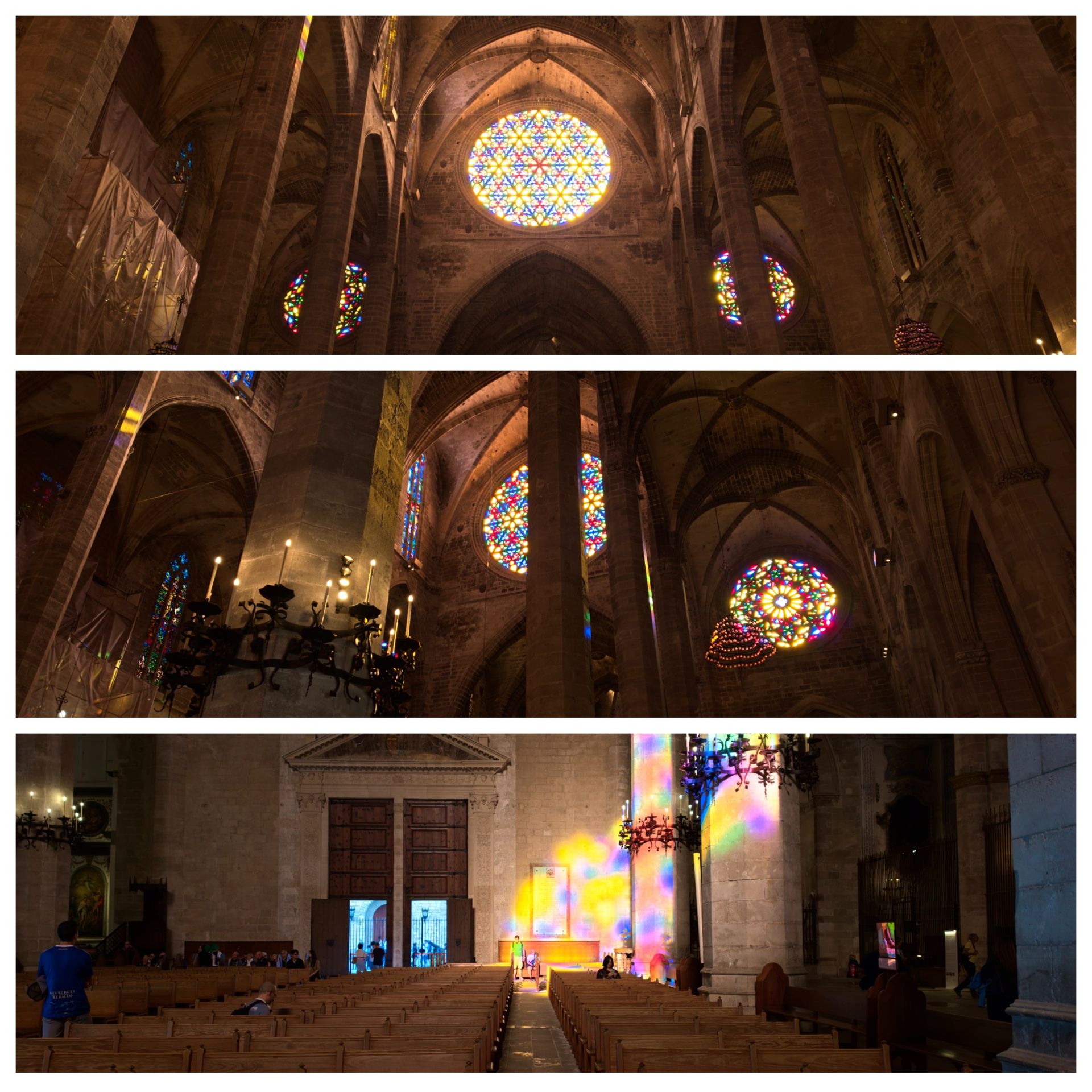
On the Find X10 Pro Max, XPAN is not limited to a single lens. It works across the wide, ultra-wide and telephoto cameras, all three of which are 200MP. That means the panoramic frame can be filled with the widest possible view or tightened with a telephoto composition. During testing, telephoto XPAN shots were taken at 3x optical zoom.
Finding XPAN in the Camera App

The mode is tucked away in the ‘More’ tab of the Oppo camera app, rather than sitting on the main shooting screen. Once opened, it mimics the viewfinder interface of the classic Hasselblad XPan. There is also a small piece of theatre: after the shutter fires, a ‘developing’ animation runs from negative to finished , a nod to film processing that adds a nostalgic beat to digital shooting.
Mallorca as a Testing Ground

The mode was tested in Mallorca, Spain, across a range of subjects. Landscapes and cityscapes benefited from the extra width, which captures the full context of a scene rather than forcing a crop later. Ultra-wide XPAN shots were used for the widest sunset views, while the standard wide lens framed tighter headlands. Inside the Cathedral of Santa Maria in Palma, the panoramic ratio conveyed the scale of the interior. Street scenes showed the dynamism and richness that a wider frame can reveal.
What Manual Cropping Cannot Match

Similar 65:24 results are possible on other phones by cropping a standard after the fact. But that approach requires more thought before shooting, because the crop has to be imagined in advance. XPAN makes the ratio part of the composition process, so the frame you see is the frame you get. The difference is convenience as much as discipline.
A Partnership That Keeps Giving

XPAN would not exist without the collaboration between Oppo and Hasselblad, which was extended in 2025. The partnership has already produced other Hasselblad-inspired tools, including Portrait Mode and Master Mode. Oppo has indicated that future phones will include XPAN and other Hasselblad tools, suggesting the panoramic mode is not a one-off experiment.
Brand partnerships of this kind are common among Chinese smartphone makers: Xiaomi works with Leica, Vivo with Zeiss, and Honor with ARRI. Each arrangement lends a distinct photographic identity to the hardware.
The feature was first highlighted by colleague Prakhar in his coverage of the Find X8 Ultra, where he praised XPAN for offering a new perspective. After using it on the Find X10 Pro Max, that assessment holds up. The mode is not just a gimmick; it changes how you look at a scene. It also raises a wish that the iPhone 18 Pro had something similar. And for a director known for large-format imagery, Christopher Nolan might find the Find X10 Pro Max worth a look.