

Samsung Display is developing a mask-free OLED pixel technology called Micro Patterned OLED, or Samsung MPO OLED, and has already produced a 7-inch prototype panel. The work began in March 2026, with development targeted for completion by the end of 2026, though the timeline could extend into early 2027. Trade publication The Elec reported the prototype and schedule, citing unnamed industry sources.
Two Companies, Two Routes Away From the Fine Metal Mask
Fine metal masks are the established method for depositing OLED pixels, but the approach produces relatively inefficient pixels. Both Samsung Display and LG Display are pursuing alternatives that skip the mask entirely. They have chosen different manufacturing paths to get there.
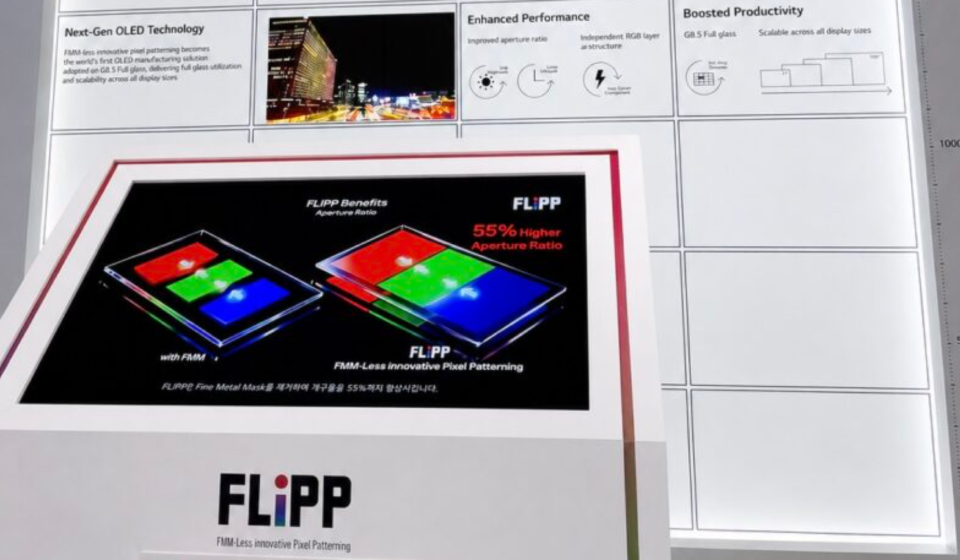
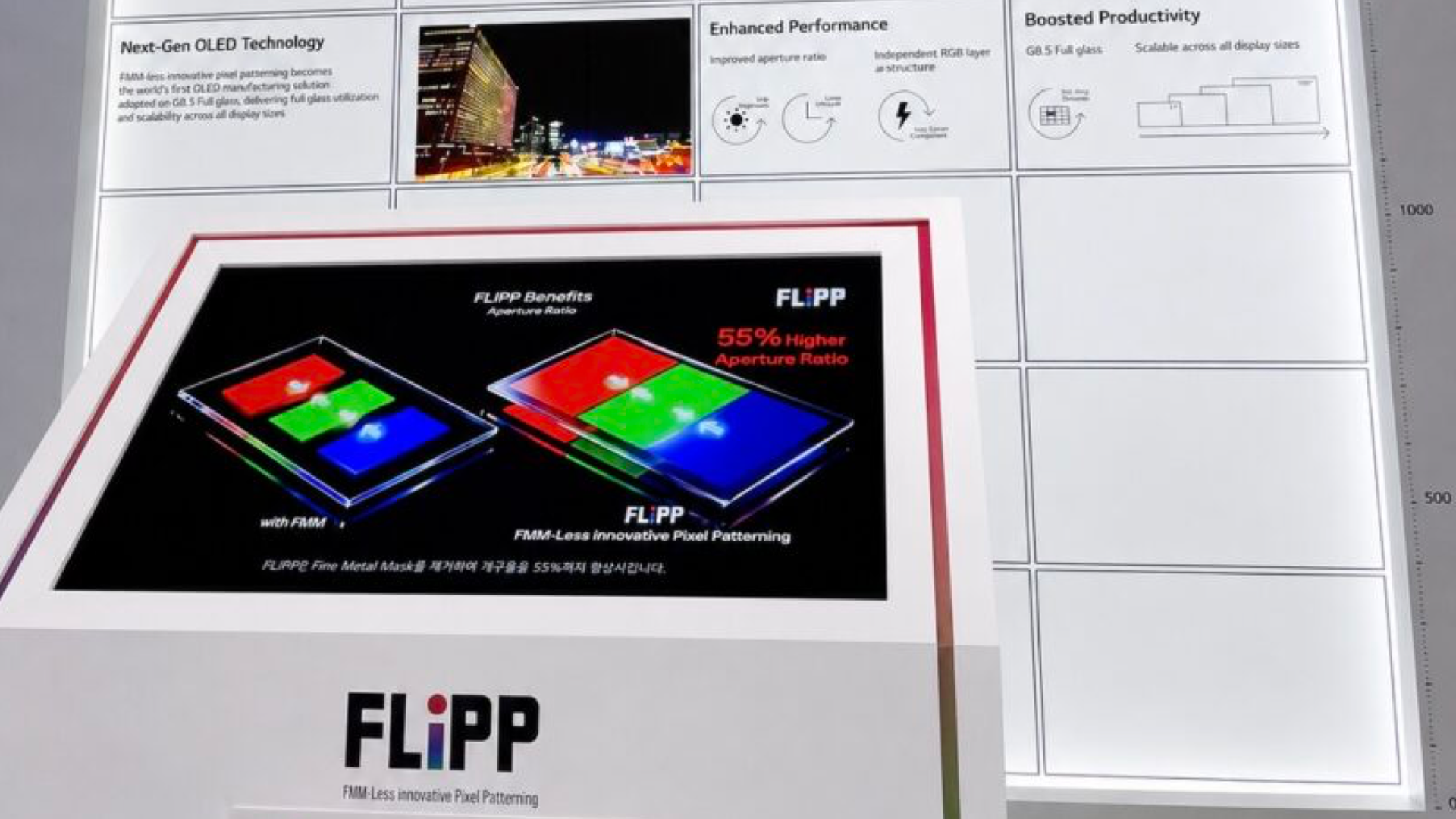
LG’s technology is called FLiPP, short for FMM-Less innovative Pixel Patterning. It deposits organic material across a surface and then etches away the unwanted areas. Samsung’s MPO takes another route: it builds microscopic fences to contain the organic material during deposition, then removes those fences afterward. Details of LG’s FLiPP were reported the week before the Samsung story.
Patent strategy may be part of the calculation. The MPO method could help Samsung avoid active FMM-free patents, according to the brief. That would make the technology choice a matter of legal maneuvering as much as engineering.
Different Screens for Different Markets
The two approaches are aimed at different product classes. Samsung’s MPO targets phone and watch-sized displays, which fits the 7-inch prototype. LG’s FLiPP is being developed for laptop and monitor-sized panels. Neither company is targeting televisions with these technologies soon.
An unnamed insider said MPO suits high-resolution displays more than larger panels, and that a 7-inch sample allows the technology to be assessed at product size. Whether MPO can scale beyond 7 inches remains unproven.
The Shared Prize: Brighter Pixels, Less Waste
FMM-free methods aim for brighter, more efficient and cheaper OLED. The logic rests on pixel geometry. Mask-free pixels can increase the light-emitting area within each pixel, and a higher fill area yields either more brightness or lower power use. Production may also reduce material waste.
Those gains are the promise, not yet the result. Actual brightness improvements, efficiency gains and manufacturing cost savings for either MPO or FLiPP are not established.
Yield Is the Deciding Number
Yield rate is the key cost barrier for OLED versus LCD. A low yield can erase the material savings that FMM-free methods are supposed to deliver. The brief cites 50% as a hypothetical example of the kind of figure at stake, not a measured result for either technology. Production test runs will determine the viability of both approaches.
Inkjet-printed OLED offers a separate competing path and is already reaching monitors, with similar promised advantages. For Samsung and LG, the question is not whether mask-free patterning sounds better on paper. It is whether the processes can be run at a yield that makes the economics work.



[…] Samsung’s Mask-Free OLED Bet: A 7-Inch MPO Prototype and the Race With LG’s FLiPP […]