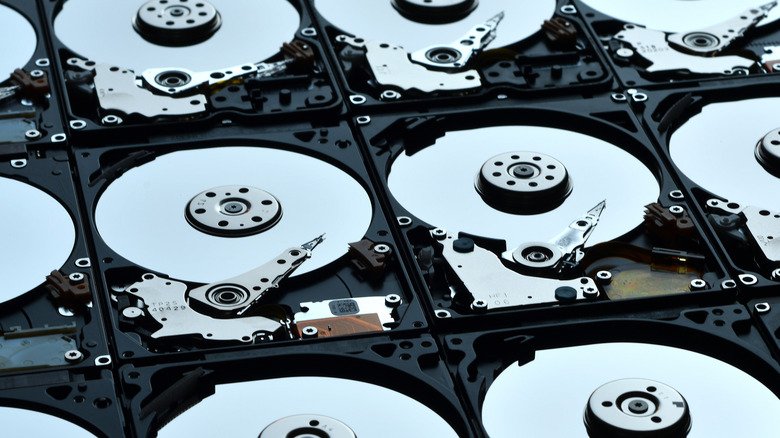
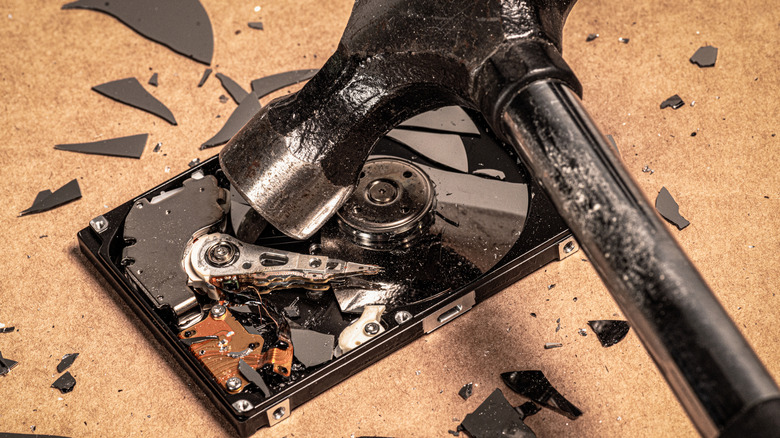
Fresh insight into new HDD failure data suggests the biggest risk with a spinning disk may arrive sooner than expected. Backblaze, which oversees a fleet of more than 350,000 storage drives, reports that roughly 1.5% of all hard disk drives fail, and almost half of those failures occur within the first year of use. The cloud storage company also found that 30% of failed drives broke down without any warning.
Why the first year matters
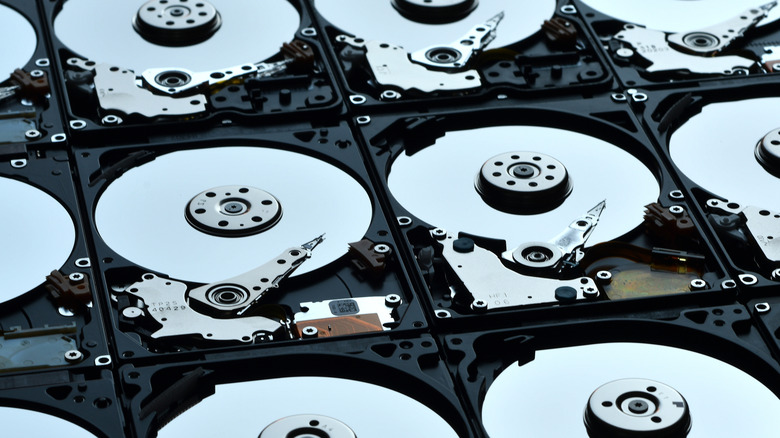
The pattern challenges the assumption that a hard drive is safest when it is new. A factory defect such as head misalignment or a seized motor can end a drive’s life within days or weeks. Accidents like power surges or physical drops, along with damage to the drive’s internal operating system, are other routes to failure. Because a meaningful share of drives die silently, monitoring alone may not be enough to protect data.
A separate Secure Data Recovery report, based on drives that had already failed, reached similar conclusions on failure rates. That analysis also put the average lifespan of a failed HDD at 807 days, though the figure only describes drives that had already broken down rather than the expected life of the broader population.
What the fleet data shows about brands
Backblaze has published statistics on its drive population for years. For the April through June 2026 period, its data identified Seagate as the most mechanically reliable brand, while noting that reliability varied by model. Drives from Hitachi, Seagate and Western Digital have tended to lead in comparable failure-rate analyses.
The data also reinforces a link between age and failure risk. Drives appear to become more failure-prone once they reach seven years old. For anyone who depends on HDDs in a workflow and needs to keep the data, that points toward planning a replacement schedule for aging drives or adding supplemental storage such as cloud capacity.
The cost trade-off that keeps HDDs relevant
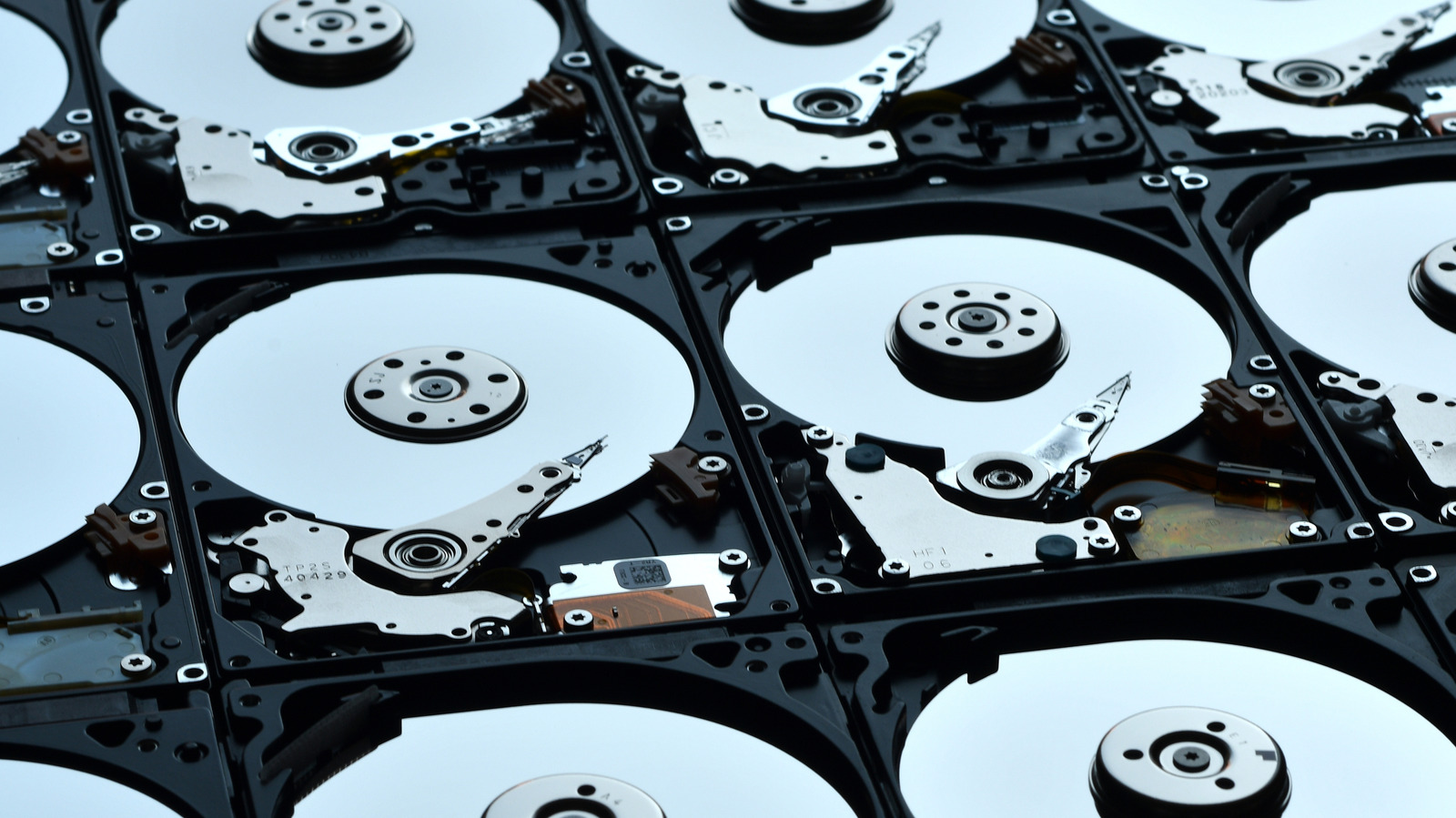
Mechanical unpredictability is the price of HDDs’ main advantage: cost per gigabyte. Hard drives remain significantly cheaper by GB than other storage media, a gap that has widened as demand from AI data centers pushes solid state drive prices higher. SSDs are faster than HDDs, which is one reason they are so successful in AI environments where systems need to work quickly with very large data sets. But where cost matters more than performance for high-capacity storage, the HDD advantage is large enough that a RAID array built on hard drives can cost less than a single high-capacity SSD.
Is HDD technology getting more resilient?
These failure rates are not a surprise so much as a reflection of the technology itself. Apple’s early push to use SSDs in consumer devices was driven in part by their relative durability compared with HDDs. HDD technology is advancing, but the vast majority of drives still rely on Conventional Magnetic Recording, which offers predictable performance. Backblaze is watching emerging technologies such as Shingled Magnetic Recording and Heat-Assisted Magnetic Recording, though it does not currently use either. That suggests the next evolution of HDD technology has not yet arrived in the drives most people buy.
Preparing for failure rather than preventing it
The practical takeaway is to design a setup that assumes a drive will fail. Combining cloud, local and off-site storage has long been the recommended approach to protect data against theft, fire and mechanical failure. For current HDD users, the advice is not to abandon the format but to monitor drive condition and invest in supplemental storage to safeguard data integrity.