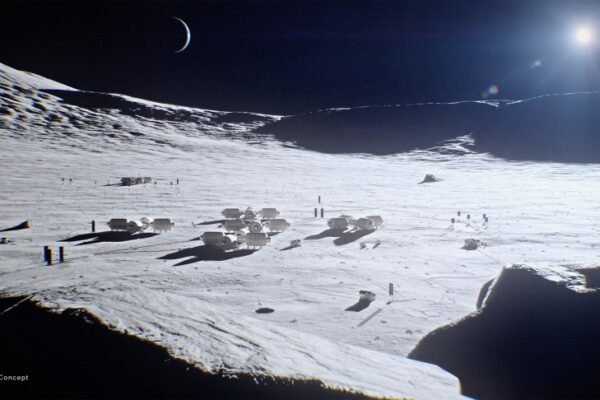
SpaceX has evolved well beyond its rocket-building roots, according to a senior launch executive, and is now fundamentally a SpaceX infrastructure company — constructing systems on the ground, in low Earth orbit, and eventually on the Moon and Mars. Kiko Dontchev, SpaceX’s vice president of launch, made the assessment during last week’s UP.Summit conference in Florida, offering one of the clearest public descriptions yet of how the company’s priorities have shifted.
Dontchev, a 16-year veteran of the company, described a business that still launches rockets but increasingly treats those rockets as one piece of a much larger infrastructure stack. That stack includes ground systems, orbital assets, and the computing power needed to support them.
AI Adoption Accelerates Across the Company
SpaceX acquired xAI, another company founded by Elon Musk, earlier this year. According to Dontchev, engineers had already been using xAI’s tools, but adoption has surged in recent months. He said the pace of change over the past year has been unlike anything he has witnessed at SpaceX.
Work that once consumed hours or days now finishes in seconds or minutes, he said, and the benefits extend beyond engineering teams. Artificial intelligence is now embedded at every level of operations, including technicians and their leaders, according to Dontchev.
One concrete example involves foreign object debris, or FOD — stray material that can cause catastrophic damage to engines and spacecraft components. Inspectors using borescopes to examine tubes have historically identified such debris with about 94 percent accuracy, Dontchev said. The AI assistant Grok, analyzing the same video, performs at 99.9 percent accuracy.
SpaceX has similarly automated visual inspections of hardware including Starlink customer terminals, citing comparable gains in accuracy. Dontchev said the technology has leveled the playing field and accelerated employee growth across the company.
Mars Still the Goal, but Orbital Data Centers Rise
Since SpaceX’s founding in 2002, spaceflight enthusiasts have been drawn to Musk’s vision of making humanity multiplanetary, beginning with Mars. Concern has grown in that community that the company is drifting from that goal as Musk has pivoted toward orbital data centers — a vision involving hundreds of thousands of solar-powered satellites providing computing services to users on Earth. Musk has largely stopped discussing human Mars missions except in passing.
Dontchev insisted that human settlement and Mars remain central to SpaceX’s aspirations. He described artificial intelligence as critical to accelerating the company’s pace of innovation, saying the company would still reach the Moon and Mars without it — but would get there much faster with it.
Falcon 9’s Retirement Path
Dontchev joined SpaceX shortly before the first Falcon 9 launch in mid-2010 and said he has launched every one of them. But the rocket’s second stage is still discarded on every flight, and SpaceX has never solved second-stage reuse. For a company aiming at thousands of launches per year — and perhaps eventually 10,000 — manufacturing a new second stage for each mission is neither affordable nor sustainable, he said.
Starship, by contrast, is designed to catch both stages. Dontchev spoke less about payload capacity than about productivity per launch. The first orbital Starship flight in late September carried larger Starlink V3 satellites and delivered 10 times the bandwidth of a Falcon 9 Starlink mission in aggregate.
Launching from Florida should improve performance further. Favorable trajectories to certain orbits can reduce the need for propellant-expensive dogleg maneuvers, and Dontchev said a single Florida Starship launch could carry up to 20 times the bandwidth of a Falcon 9 launch.
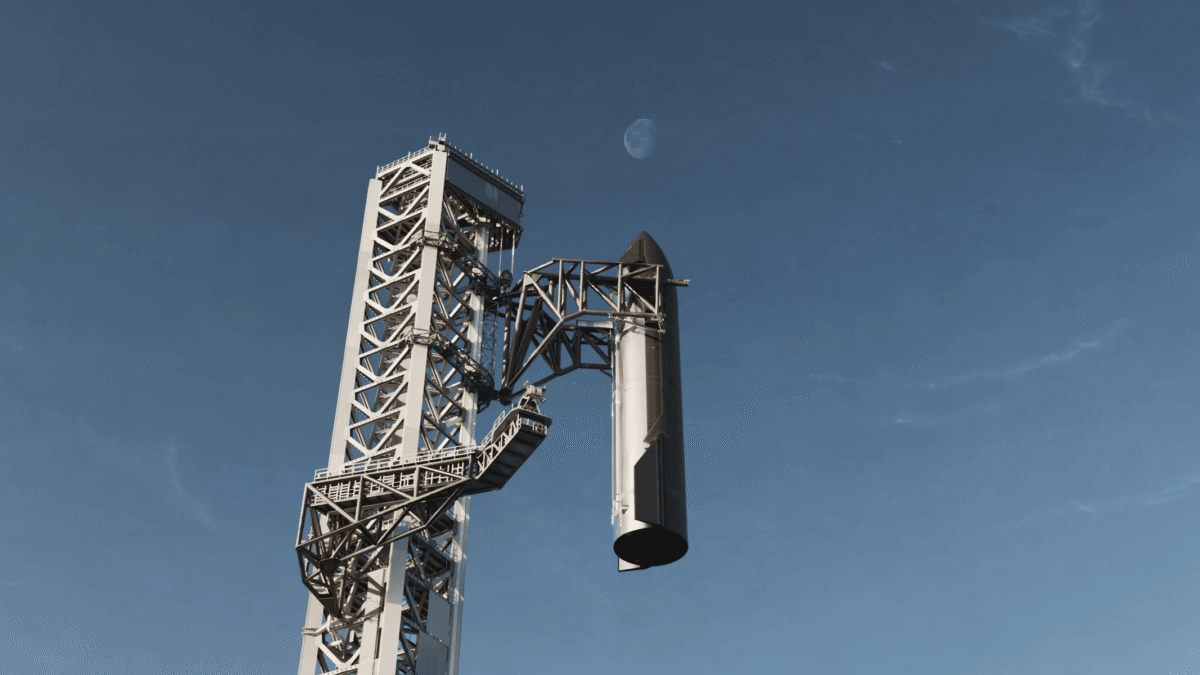
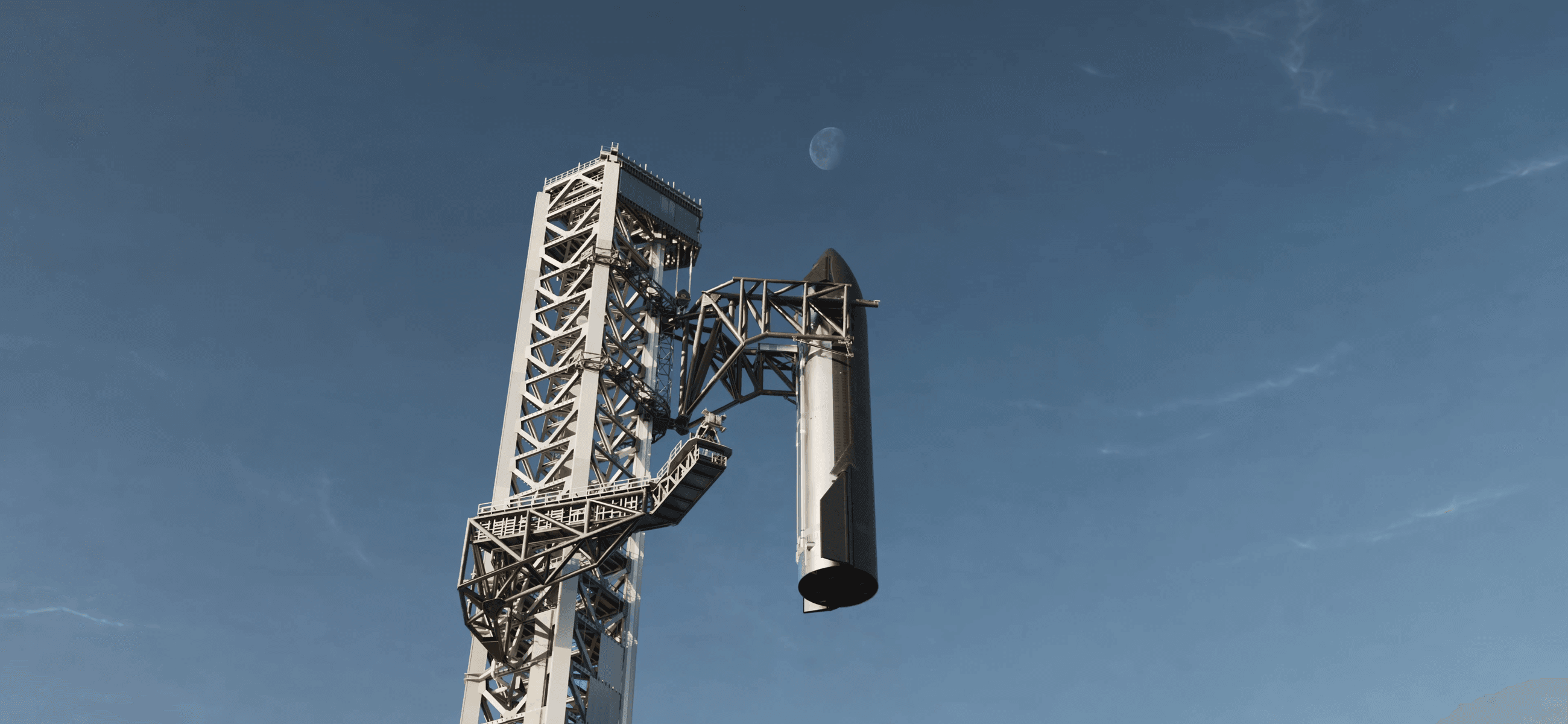
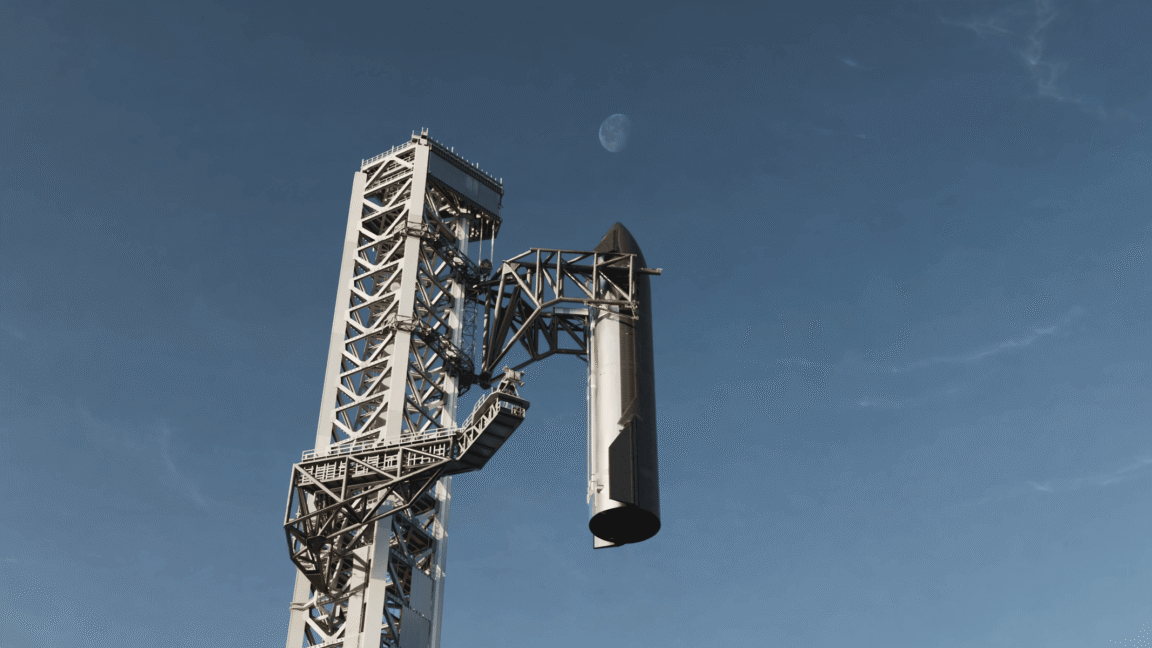
The first Starship launch tower at Kennedy Space Center’s Launch Complex 39A is effectively complete, he said, and SpaceX is developing two additional pads in Florida. Boosters and ships will be transported by barge to the Cape, with the first transports hoped for in December and a flight possibly before the end of the year.
Dontchev did not address concerns in the commercial space industry that SpaceX has not moved to replace Falcon 9’s capacity with Starship for outside customers. Multiple sources have indicated that SpaceX is reserving Starship launches in the coming years for its own needs and potentially those of NASA and other government customers.