The day after Democrats notched victories across the country, including in Texas, a state central to the AI infrastructure boom, some technology figures began promoting space data centers as an alternative to building on the ground. The results included wins by candidates who had criticized the data center industry, and the reaction online suggested that at least part of the tech world sees low-Earth orbit as a more welcoming venue.
A pivot to orbit

Elon Musk, who spent more than $400 million backing Republican candidates who lost their midterm races, wrote on X early Wednesday that putting data centers in space looked attractive in light of the outcome. Others in his orbit and across the tech industry echoed the sentiment. Jordan Lasker, who runs the popular tech-world account “Crémieux,” said doubters of orbital data centers had not sufficiently considered the election results. Soham Mehta of the Foundation for American Innovation, a techno-optimist think tank, also raised underwater data centers as an option; China began operating what it describes as the world’s first underwater data center in June.
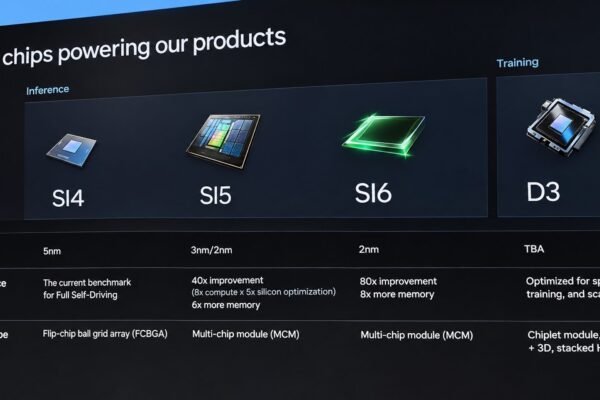
The idea is not purely rhetorical. Google has launched a satellite that it says carries a “data center class TPU.” SpaceX has said it intends to deploy thousands of AI satellites beginning as soon as late 2027. Blue Origin has applied to the Federal Communications Commission for permission to launch 50,000 satellites as part of an orbital data center system. Startups are also pursuing the concept: Starcloud says it carried an NVIDIA H100 GPU into orbit in November 2025.
Practical hurdles remain
Orbital computing faces substantial obstacles. Space-based facilities cost far more than terrestrial ones, cannot scale to hyperscale size, and depend on the timing and risks of satellite launches. Those constraints mean the enthusiasm does not yet amount to a practical replacement for ground-based infrastructure.
The concerns about Texas are not entirely unfounded, though the political change has limits. Democrats won control of the Texas House, but Republicans still hold the state Senate. Robert Paterson, a professor of land use and environmental planning at the University of Texas at Austin, said the split legislature means some immediate attempts at change will probably be slowed.
Adrian Shelley, director of the Texas office of the nonprofit consumer advocacy group Public Citizen, said the legislature is a likely venue for high-impact policies such as reallocating state agency resources. He added that the governor could act more quickly through executive orders or by requesting resignations from politically appointed officials at state agencies.
Shelley noted that oversight bodies including the Texas Commission on Environmental Quality, the Public Utility Commission, and the Texas Water Development Board can fine violations of state law or, in extreme cases, revoke permits for projects such as data centers. Paterson cautioned that Texas developers hold strong “vested rights,” which protect project terms once permits are approved, even before construction starts.
County authority and next steps
Another medium-term path to reshaping the industry could be strengthening county authority. Paterson said nearly half of the state’s data centers are in unincorporated areas outside city zoning jurisdiction. Texas counties operate under relatively limited enforcement powers; under Dillon’s Rule, they have only the authority the state specifically grants them. Counties can regulate matters such as access to county roads or construction on floodplains, but they lack the zoning power that would allow close regulation of data centers.
Paterson said the new attorney general could theoretically adjust the state’s biannual handbook that sets county authority limits. He also argued that lawmakers could pass a viable bill giving counties limited zoning authority over data centers, especially since opposition to the industry crosses party lines.
Shelley said data centers were a decisive factor in the Democratic wave, making the coming legislative season noteworthy. He added that the industry has not shown much interest in working with state lawmakers or local leaders and that he will be watching to see whether that changes. If it does not, low-Earth orbit remains an option for those looking elsewhere.