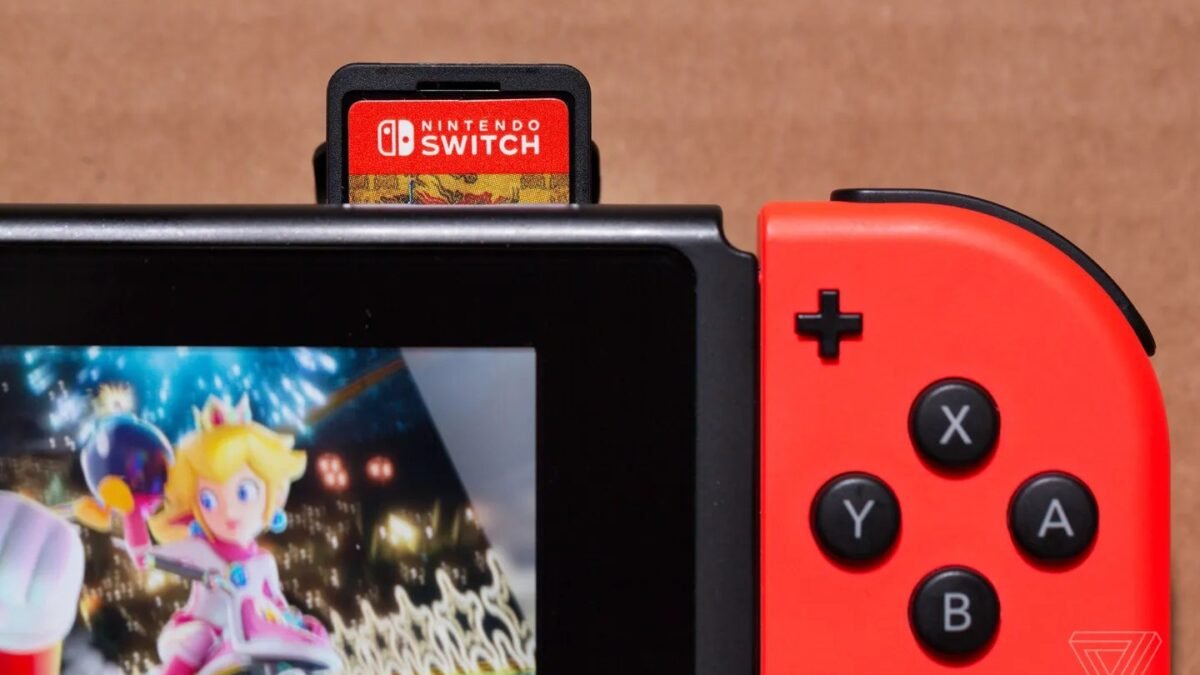
Nintendo’s supply chain for Switch game cards is facing a significant change. Macronix, a long-standing supplier of ROM memory used in Nintendo Switch cartridge memory, has announced it will gradually stop producing ROM chips. The company disclosed the decision during its recent quarterly earnings call, according to a report from Taipei Times.
The move comes as Macronix redirects its resources toward NOR flash memory for data centers, where demand has grown sharply. The shift raises questions about the future of physical game production for Nintendo, which has maintained a stronger commitment to physical media than some of its competitors.
Why Macronix Is Leaving ROM Behind

The financial from Macronix’s Q3 2026 earnings makes the strategic pivot clear. Revenue from ROM products dropped 39 percent year over year, while NOR memory revenue climbed 158 percent. NAND memory revenue saw an even more dramatic increase, surging 768 percent compared with the same period last year.
Macronix chairman and CEO Miin Wu addressed the trend directly during the earnings call. He noted that demand for NOR used in data centers is very robust, with customers actively seeking more capacity and pressing the company to deliver additional NOR flash solutions for data center applications. The company also reportedly expects chip price increases to continue.
The decision reflects a broader realignment in the memory industry. Nearly a year before Macronix’s announcement, Micron shut down Crucial, its consumer RAM and SSD brand, to concentrate on meeting demand from AI data centers. Macronix’s exit from ROM production follows a similar logic: prioritizing higher-growth, higher-demand segments over legacy product lines.
What This Means for Nintendo's Physical Games

Nintendo has not indicated any plan to abandon physical games. The company recently stated it has no plans to ditch physical titles, distinguishing itself from Sony, which has announced it will stop producing physical game discs starting in January 2028.
Physical games also represent a larger share of Nintendo’s business than they do for many other gaming companies. In August, Nintendo reported that physical titles accounted for 38.5 percent of its game sales, a figure higher than companies like Capcom.
That reliance on physical media makes the loss of a ROM supplier more consequential for Nintendo than it might be for competitors with smaller physical footprints. Still, the announcement does not specify how Nintendo will replace or supplement its supply of cartridge memory, nor does it indicate whether the company has alternative suppliers lined up.
A Wider Memory Market Shift
Macronix’s decision is part of a larger pattern in the semiconductor industry. Memory manufacturers are increasingly allocating capacity to data center products as AI and cloud computing drive demand for high-performance memory. Consumer-facing product lines, including those used in gaming hardware, are feeling the effects.
The company’s earnings call also touched on pricing. Macronix reportedly expects chip price hikes to persist, a signal that cost pressures in the memory market are not likely to ease soon. For Nintendo, that could mean higher costs or tighter availability for the memory components used in its game cards.
Nintendo has not publicly commented on how Macronix’s phase-out will affect its cartridge production or pricing. The company’s commitment to physical games remains unchanged for now, but the supply chain behind those games is clearly in transition.
What to Watch
Nintendo’s next steps will be closely watched by players who prefer physical copies and by retailers that depend on game card sales. Whether the company secures new ROM suppliers, adjusts its production plans, or absorbs higher component costs are all open questions. What is certain is that one of the key suppliers behind Nintendo Switch cartridge memory is stepping away from the business, and the memory market’s pull toward data centers is the reason.