The iPhone 18 Pro cameras tested over a month in New Zealand show that Apple’s latest flagship takes excellent photos and offers more control than ever, but the improvements over the iPhone 17 Pro are modest rather than revolutionary. After shooting more than 750 still images across the country’s varied landscapes, the takeaway is clear: this is the most versatile iPhone camera system to date, yet it is not enough to pull ahead of the best Android camera phones.
Variable aperture: the headline feature
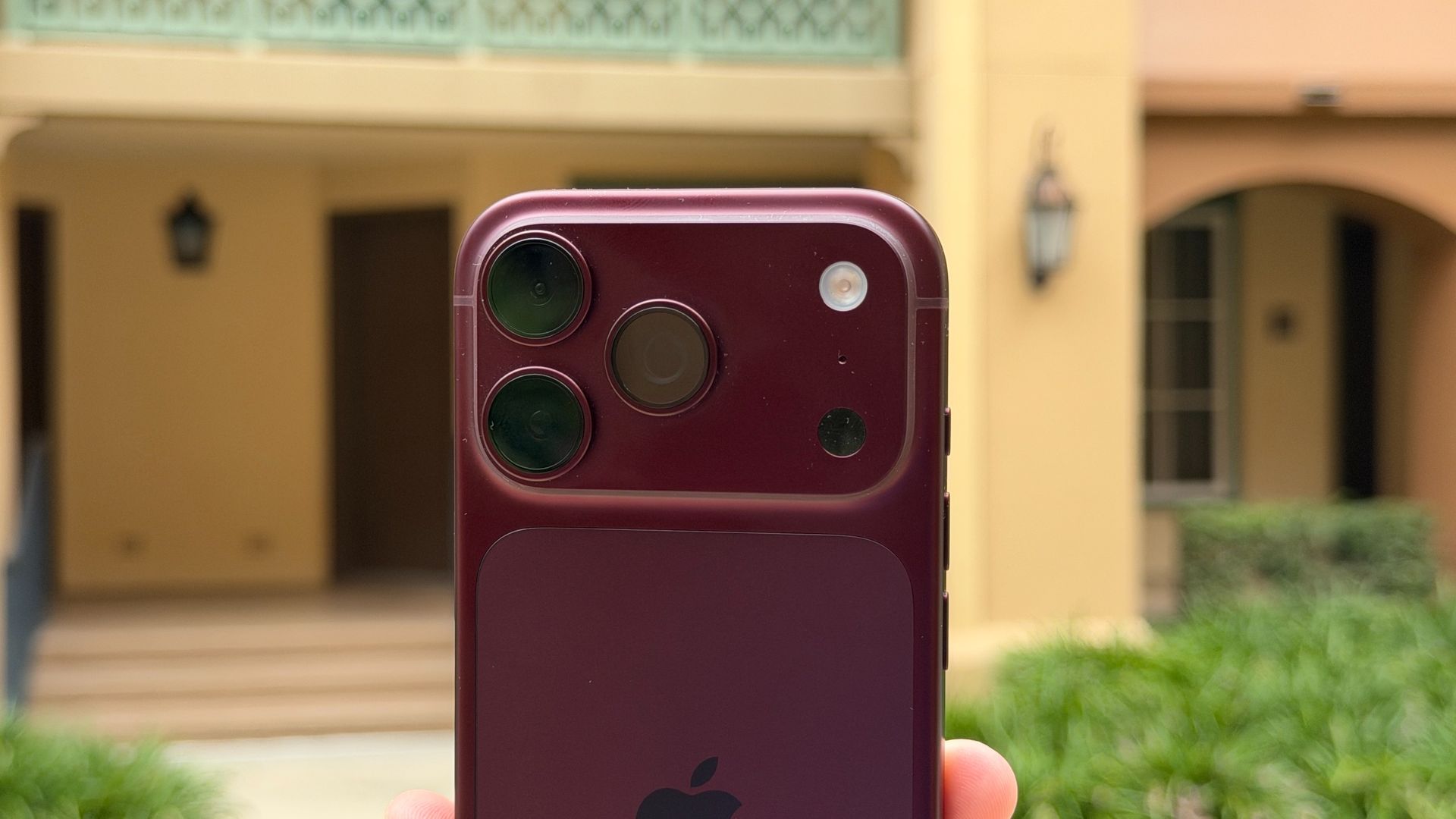
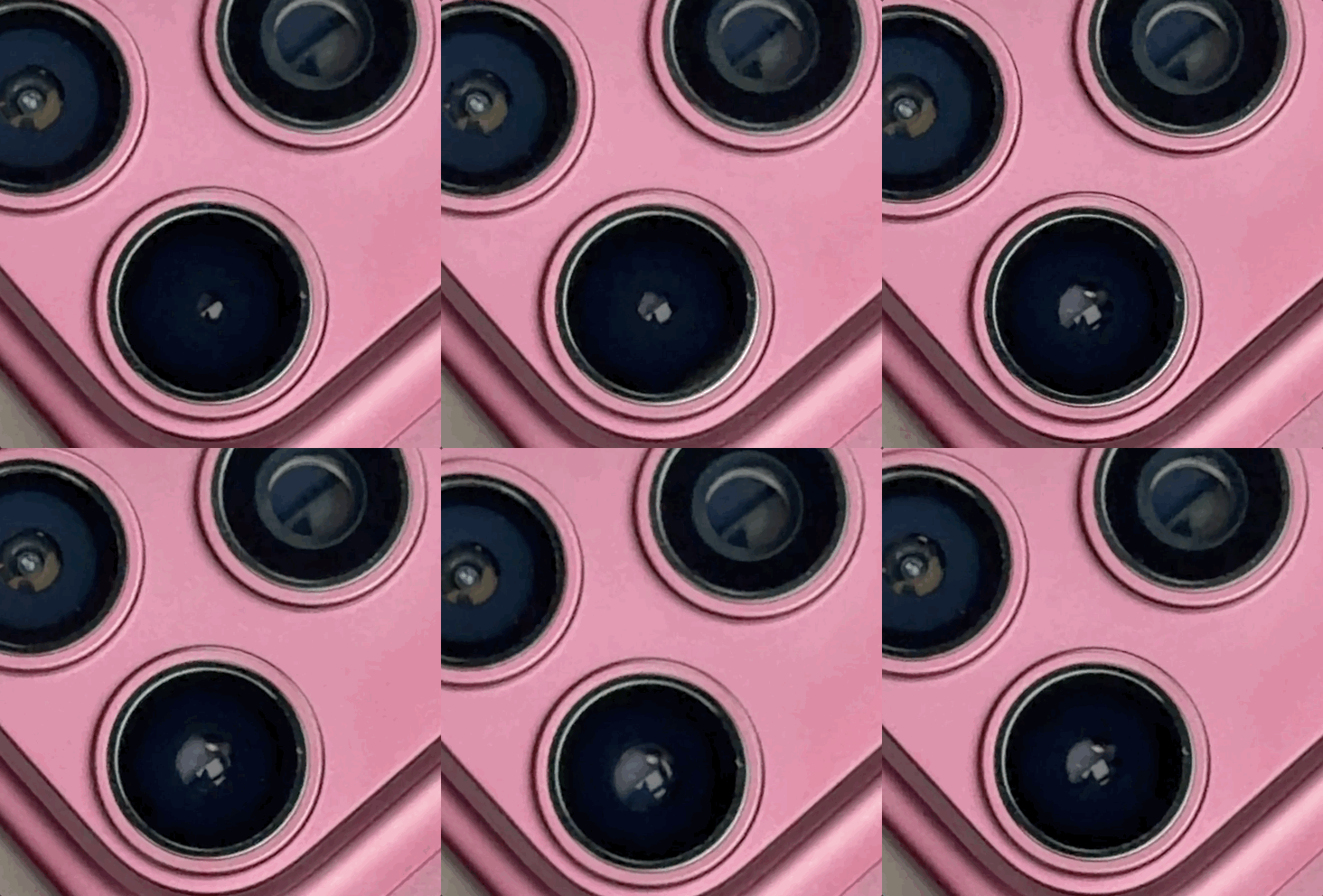
The centerpiece of the iPhone 18 Pro’s camera upgrade is a physically moving variable aperture on the 48MP main lens. It can switch between four fixed f-stops: f/1.4, f/1.8, f/2.8 and f/4.0. Smaller numbers let in more light, while larger numbers reduce it. This is the most flexible lens Apple has put in an iPhone, but the system only allows those four settings. Unlike a dedicated camera, there is no fine-grained adjustment between them.
In practice, the aperture changes how much background blur appears behind a sharply focused subject. Phones usually rely on software portrait modes to fake that effect; here it is done with hardware. The difference between the four settings is subtle. Most casual shooters will leave the camera in automatic mode, where the iPhone frequently selects f/1.8 and usually gets the result right.
Pro controls and Tap to Focus
Apple has also added manual ‘pro’ controls to the camera app for the first time. A customizable control panel can show shutter speed, white balance and aperture, which is useful for low-light shots or for experimenting. These tools are a welcome addition, but they are likely to be forgotten by anyone who is not determined to squeeze the best possible result from the lenses.
For less involved photographers, Tap to Focus remains reliable. Tapping on the foreground or background quickly shifts focus to the intended part of the scene, and the main lens handles both cases well. The phone’s smaller 1/1.28-inch sensor still produces impressive results, even though phones like the Xiaomi 17 Ultra use a much larger 1-inch sensor to achieve similar shots.
Photographic Styles and film effects

Photographic Styles have been expanded with more variety and deeper customization. A single scene can be rendered in looks such as Standard, Vibrant + Film, Natural, Luminous + Glow, Dramatic + Film, Quiet + Film, Cosy + Film, Ethereal + Film, Muted B&W + Glow and Stark B&W + Film. Some are tasteful; others are less so.
Each style can be adjusted further through palette and texture controls. Texture includes a film effect and an additional film grain option. The interface for these adjustments is fiddly and does not clearly explain what each change does, which makes the software feel less intuitive than the rest of iOS. The film effect can also be heavy-handed, though it can produce striking images when used deliberately.
The 4x telephoto remains a favorite

Although Apple markets the variable aperture most heavily, the 48MP 4x optical telephoto lens is still the most enjoyable part of the camera system. It has no variable aperture, but optical stabilization keeps shots crisp and well rendered, even when taken while moving. It is the best-looking telephoto on any iPhone so far.
That said, it does not match the telephoto hardware on some Android flagships. The Xiaomi 17 Ultra offers a 200MP sensor and continuous optical zoom, while the Vivo X300 Ultra also has a 200MP lens with exceptional detail and tone. The iPhone’s advantage is not raw hardware but the polish of iOS, which remains far slicker than the Android software on those rival phones.
Who should upgrade?

Compared with the iPhone 15 Pro Max, the iPhone 18 Pro feels like a sizable step forward in both hardware and software. But that is the result of three years of evolution. Against the iPhone 17 Pro, the changes are tiny, and the gap over the iPhone 16 Pro is not much larger.
For iPhone owners considering an upgrade, the recommendation is straightforward: move to the iPhone 18 Pro only if the current phone is an iPhone 15 Pro or older. Those users will notice a meaningful jump in overall quality. Anyone on a newer Pro model will find the improvements too small to justify the cost.
The variable aperture is the most promoted feature, but the real story is the cumulative effect of years of iteration. The iPhone 18 Pro’s cameras are excellent, versatile and genuinely fun to shoot with, even if they do not settle the long-running argument over whether iPhone or Android takes the best photos.