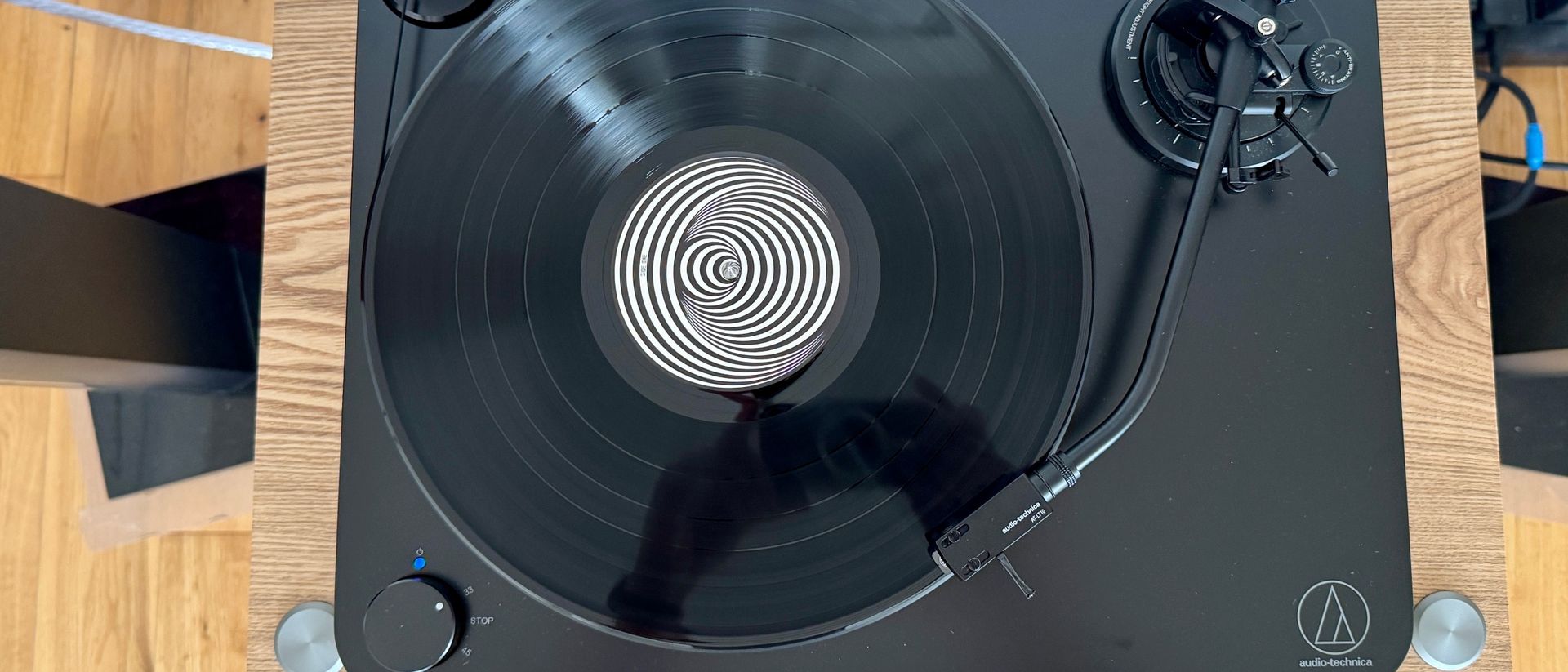
In this Audio-Technica AT-LP7X review, the headline is a familiar one for vinyl enthusiasts: a beautifully engineered deck that makes setup and daily use almost effortless, yet falls just short of delivering the sonic fireworks its price tag might imply. Launched on January 6, 2026, at £699 in the UK, around $999 in the US and AU$1,799 in Australia, the AT-LP7X is aimed squarely at serious listeners rather than first-time buyers.
Features and setup: plug-and-play vinyl
Audio-Technica has packed the AT-LP7X with practical touches that set it apart from most belt-drive rivals. The biggest differentiator is the built-in, switchable moving magnet/moving coil phono stage. Two small switches on the rear of the plinth let you choose between ‘phono’ and ‘line’ output, and between MM and MC operation. That means the deck can connect directly to any amplifier, powered speaker or line-level input without an external phono preamp.
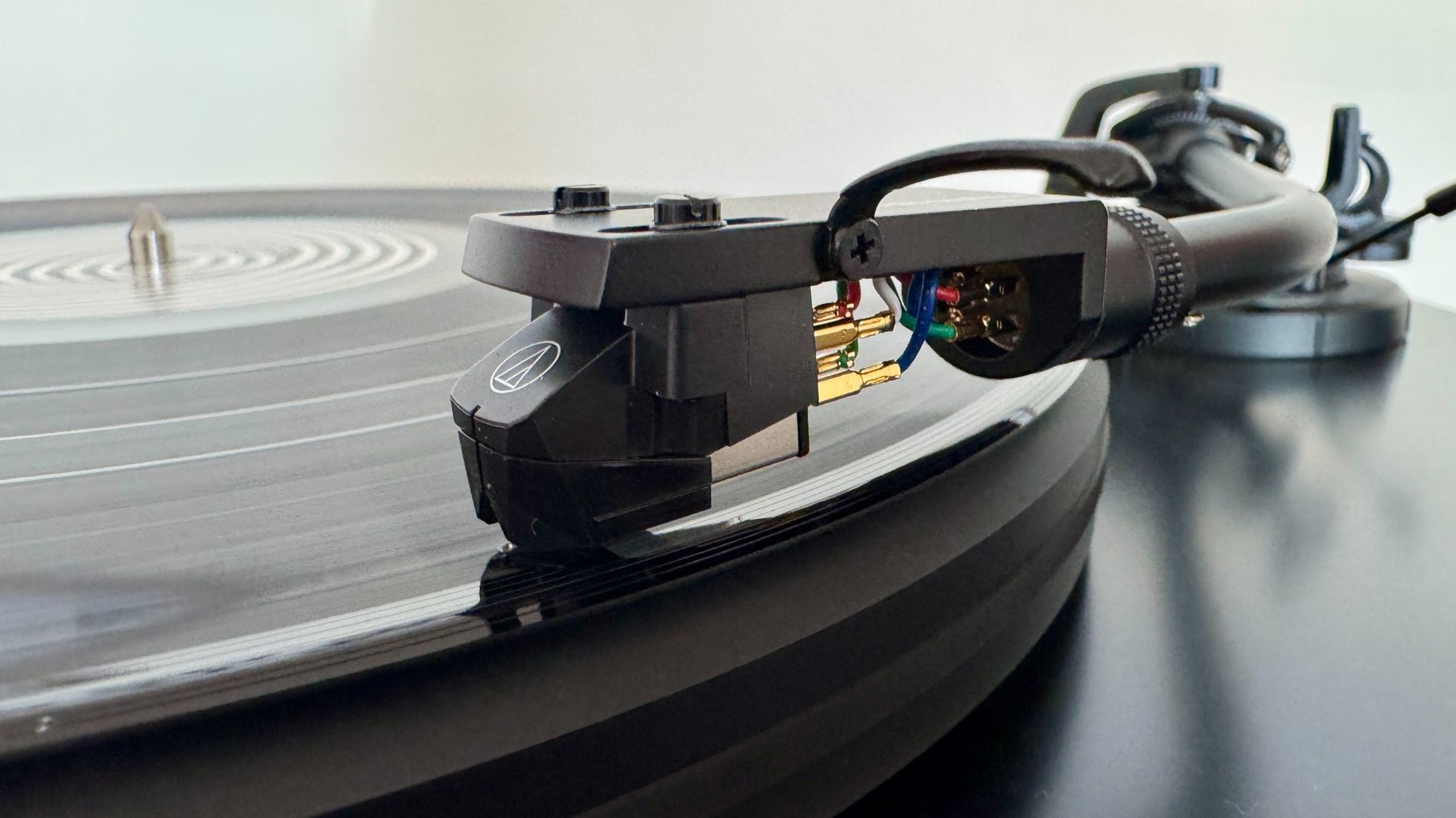
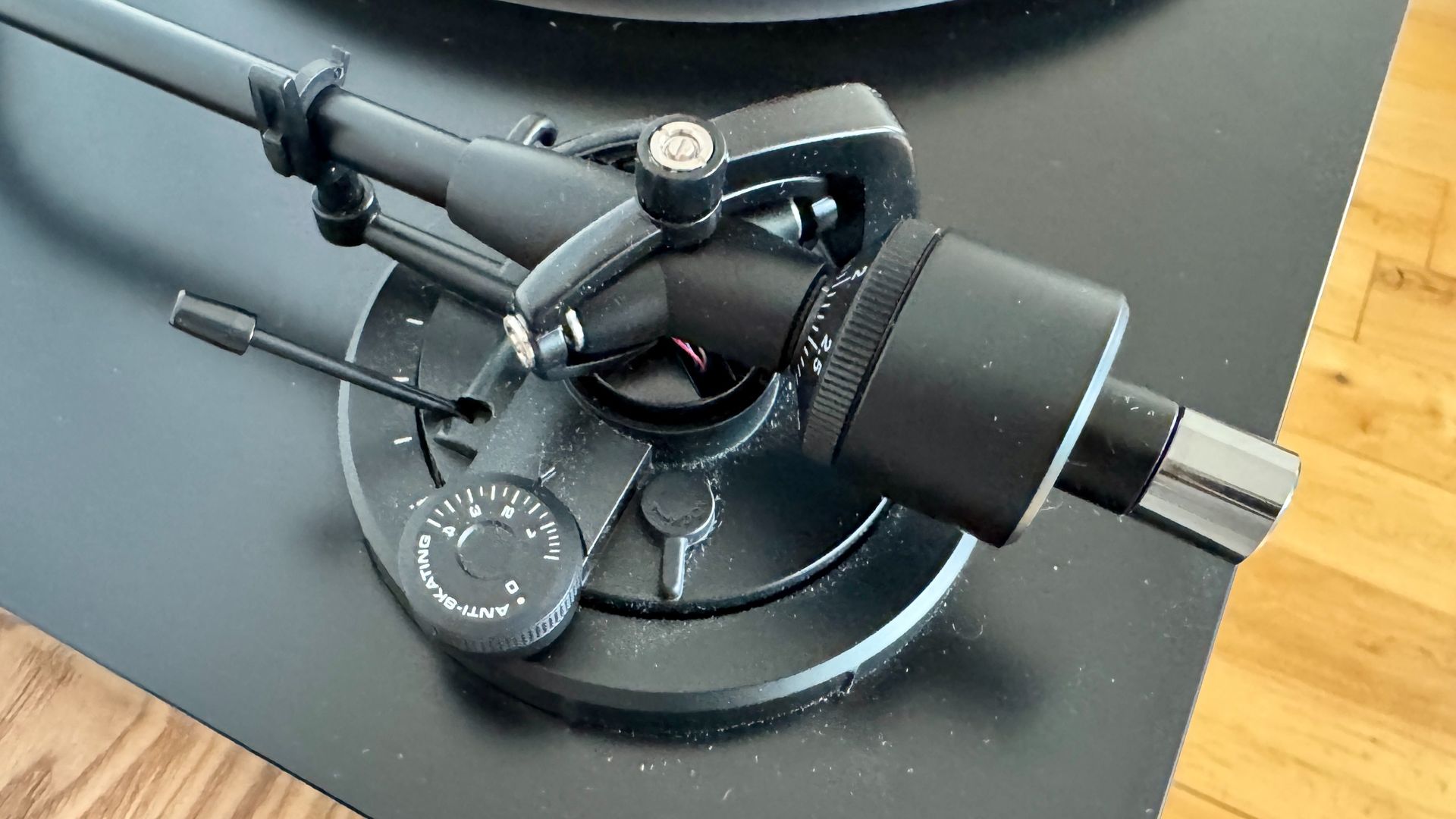
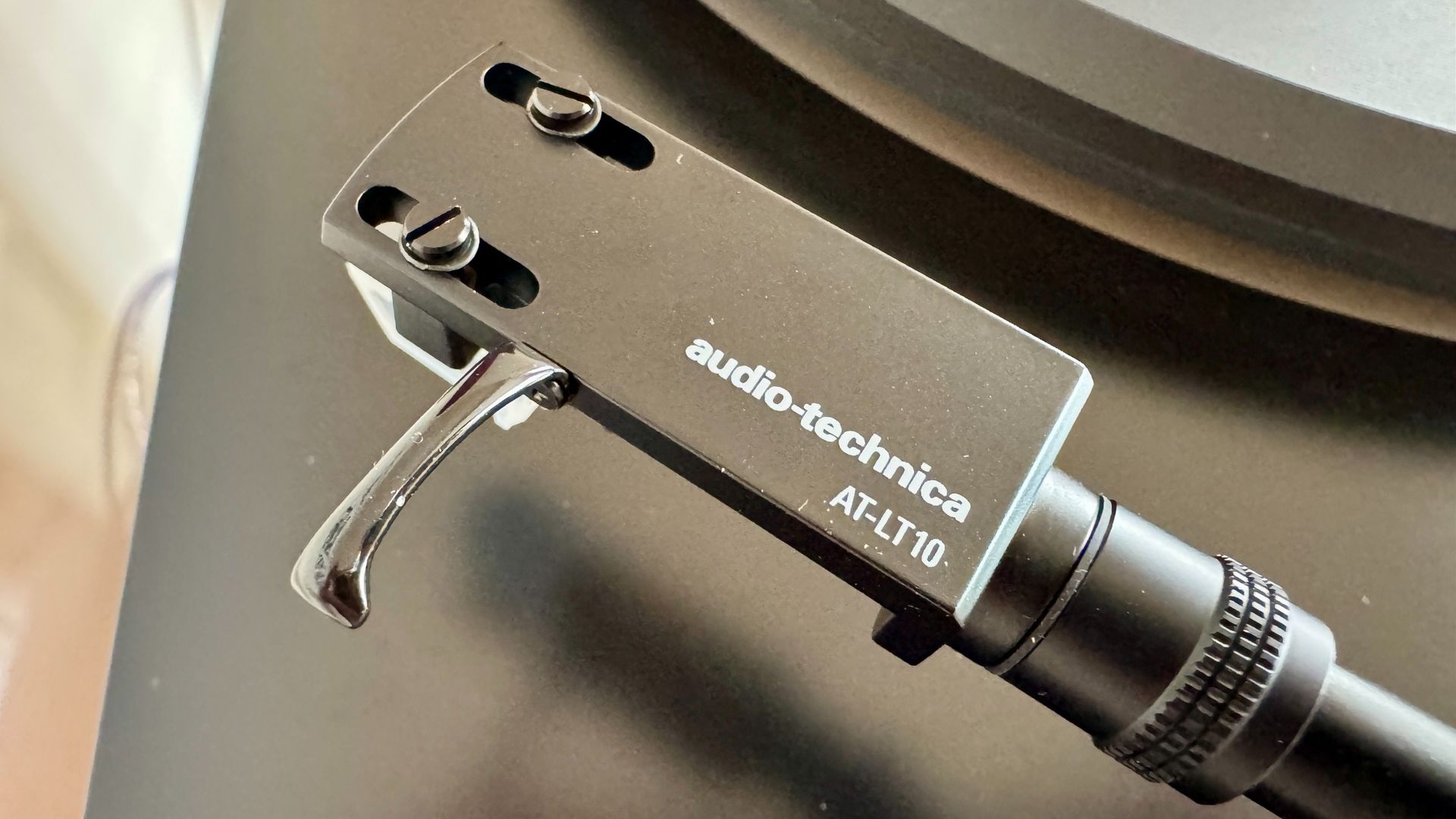
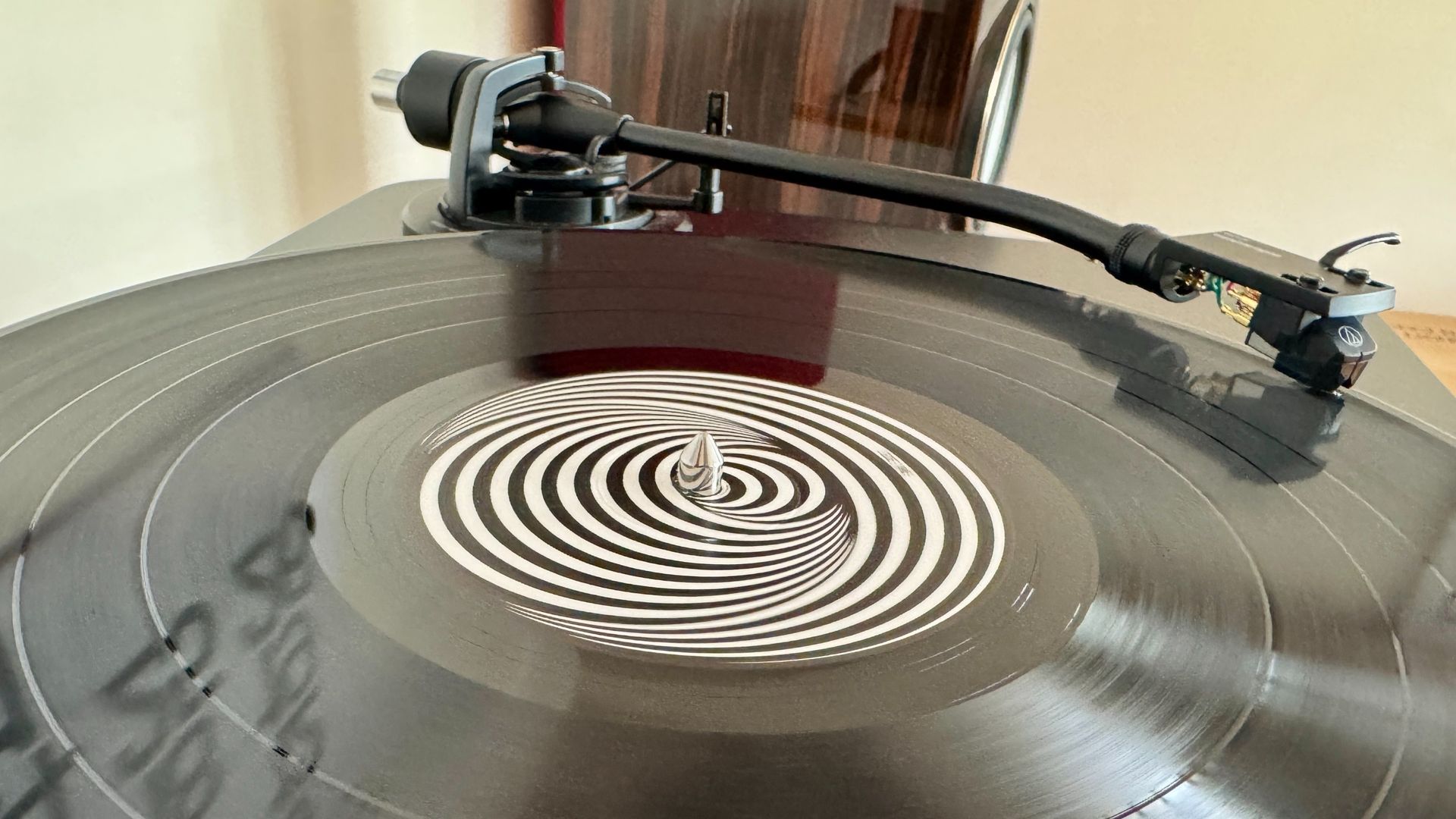
Out of the box, the AT-LP7X arrives with an AT-VM95E moving magnet cartridge already fitted to an AT-LT10 headshell and mounted on a 247mm J-shaped tonearm. The cartridge is pre-adjusted, so the only remaining tasks are dialling in anti-skate and setting the counterweight. Audio-Technica’s setup guide is clear and concise, and most users will be spinning records within minutes.
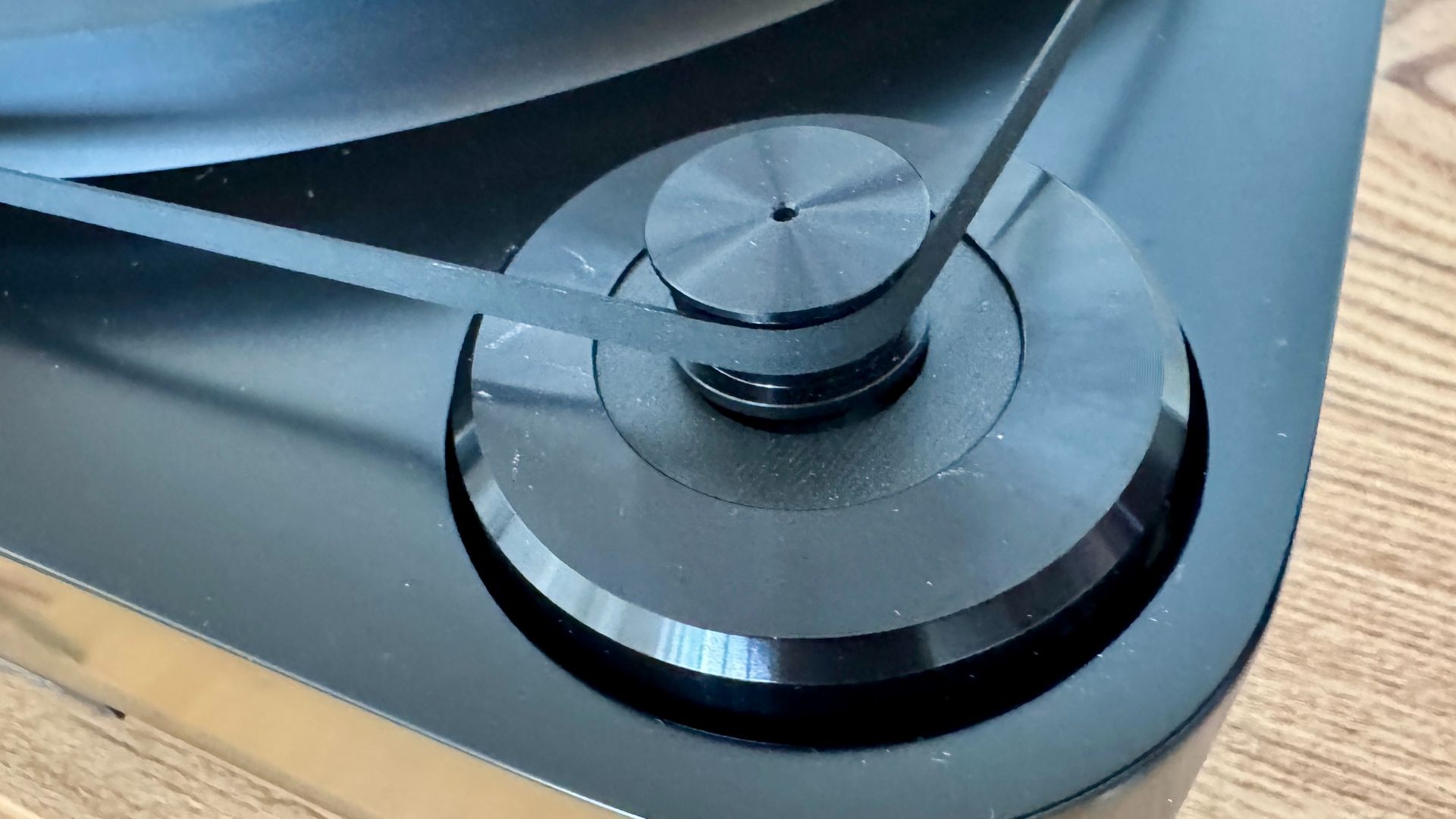
The tonearm uses a dual-axis gimbal to minimise tilt, and offers manual adjustment for tracking, height and counterweight. Speed control is handled by a large rotary dial with 33, 45 and stop positions, so there is no need to move the belt by hand. An optical sensor monitors the motor for rotational accuracy, and rubber bushings decouple it from the plinth to reduce vibration. The stainless steel spindle runs in a thermal-plastic sheet bearing, while an external switching power supply keeps AC-to-DC conversion away from the turntable to suppress electrical interference.
Sound quality: even-handed but underexciting
Using the integrated phono stage, the AT-LP7X delivers a smooth, informative presentation. It handles frequency response with assurance, giving each part of the spectrum similar emphasis, though the low end is a touch soft. Bass is well controlled, and the midrange is open enough to reveal differences in timbre and technique between vocalists. Treble has a polite attack with just enough bite to stay interesting, and the soundstage is reasonably well defined, with performers placed confidently.
Detail retrieval is a strong point: even minor events in a recording are weighted and contextualised impressively. Dynamics, however, are merely adequate. On music that builds in volume and intensity, the turntable alludes to the upshifts without fully expressing them.
The overriding character is a little uninvolving. Music is presented in a matter-of-fact way that seems to trade excitement for a desire not to cause a fuss. Some of that can be blamed on the integrated phono stage. Switching it off and connecting a decent external phono preamp—such as an elderly Leema Elements or a newer Pro-Ject Phono Box—brings more animation to the sound. The deck’s strengths remain, but its attitude becomes livelier and more interesting.
Design and usability: solid and sensible
The AT-LP7X follows the classic rectangle-with-a-circle template, with slightly curved corners on its MDF plinth. The finish is very nice, and the deck stands on four hefty, height-adjustable spring-based isolation feet that do a good job of blocking external vibration. The 20mm acrylic platter is so smoothly finished that a slip-mat is optional rather than necessary, and its high-density design aims to damp vibration further.
A smoked Perspex dust cover fits tidily around the plinth and lifts off completely rather than being hinged. With the cover in place, the whole unit weighs 7.6kg and measures 157 x 450 x 352mm (HxWxD).
Everyday use is straightforward: select the correct speed, lower the needle, and that’s it. The supplied RCA cables and clear instructions make the initial connection simple, and the rear switches are easy to reach.
Value: strong for some systems, less so for others
If you need a phono stage, the AT-LP7X makes a lot of sense. It is well made, painless to set up and operate, and its integrated phono stage can handle both moving magnet and moving coil cartridges—a rare and welcome feature at this price. For those without decent phono amplification, the value is obvious.
If your system already has a good phono stage, though, the AT-LP7X is less compelling. You would be paying for a feature you may not use after the initial comparison. At £699, it competes with the Rega Planar 3, which costs about the same but comes without a cartridge or preamp. The Pro-Ject Debut Pro is another close rival; it includes a decent cartridge but no phono stage, and is said to sound taut and precise.
Should you buy it?
Buy the AT-LP7X if you value convenience, if your system lacks a phono stage, or if you prefer a relaxed, non-fatiguing sound. Avoid it if you already own a decent phono stage, if you need 78rpm playback (the platter cannot spin that fast), or if you crave sonic excitement—this deck would rather soothe than invigorate.