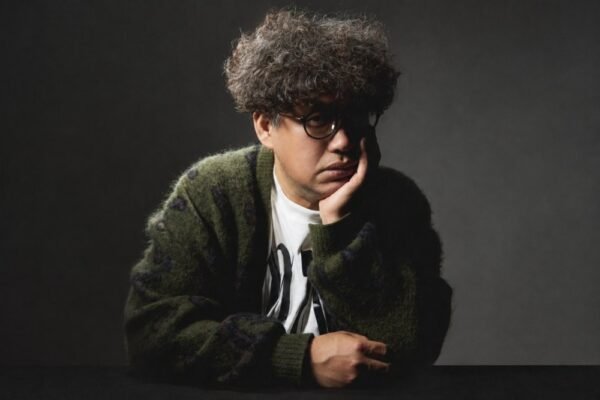
Sebastián Lelio, the Chilean writer-director whose Sebastián Lelio women-centered films earned him international acclaim, has died at 52. His passing was reported on a Friday, and the film world is now taking stock of a career that moved between his native Chile and English-language cinema without losing its distinctive focus on women’s lives.
A Body of Work United by Perspective

Lelio’s filmography is varied in setting and scale, yet it holds together through a consistent interest in female protagonists. That through-line runs from his 2013 breakout “Gloria” to the Oscar-winning “A Fantastic Woman” and onward to “The Wonder.” The director’s approach combined stylistic assurance with sensitivity to the inner lives of his characters, a combination that made his films recognizable even when their subjects and genres shifted.
From ‘Gloria’ to a U.S. Remake

“Gloria” served as Lelio’s international breakthrough in 2013. When it was announced in 2017 that he would helm a U.S. remake of that film, the news gave admirers of the original and of Lelio himself reason for concern. English-language remakes of successful world cinema titles often go wrong, and the cautionary example of Dutch filmmaker George Sluizer was available to anyone paying attention. Sluizer had directed a 1993 remake of his own 1988 chiller “The Vanishing,” and the result was widely seen as a failure. That history demonstrated that even having the original filmmaker in charge does not guarantee a good outcome.
An Oscar Winner and a Varied Slate
Lelio’s standing was cemented by “A Fantastic Woman,” which won an Academy Award. The film sits alongside “Gloria” and “The Wonder” in a body of work that critics have described as diverse but cohesive. That cohesion came from his sustained attention to women’s stories rather than from repeating a single formula. The Oscar win gave his profile a global dimension, but his filmmaking remained anchored in character and perspective.
Remembered for Style and Sensitivity
Tributes have focused on the dual qualities that defined Lelio’s work: a strong visual and stylistic sensibility paired with emotional sensitivity. He was an auteur in the sense that his films carry a recognizable authorial signature, yet that signature was expressed through the experiences of women rather than imposed on them. His death at 52 leaves a filmography that is compact but influential, and one that will continue to be discussed for the way it centered female lives with both craft and care.