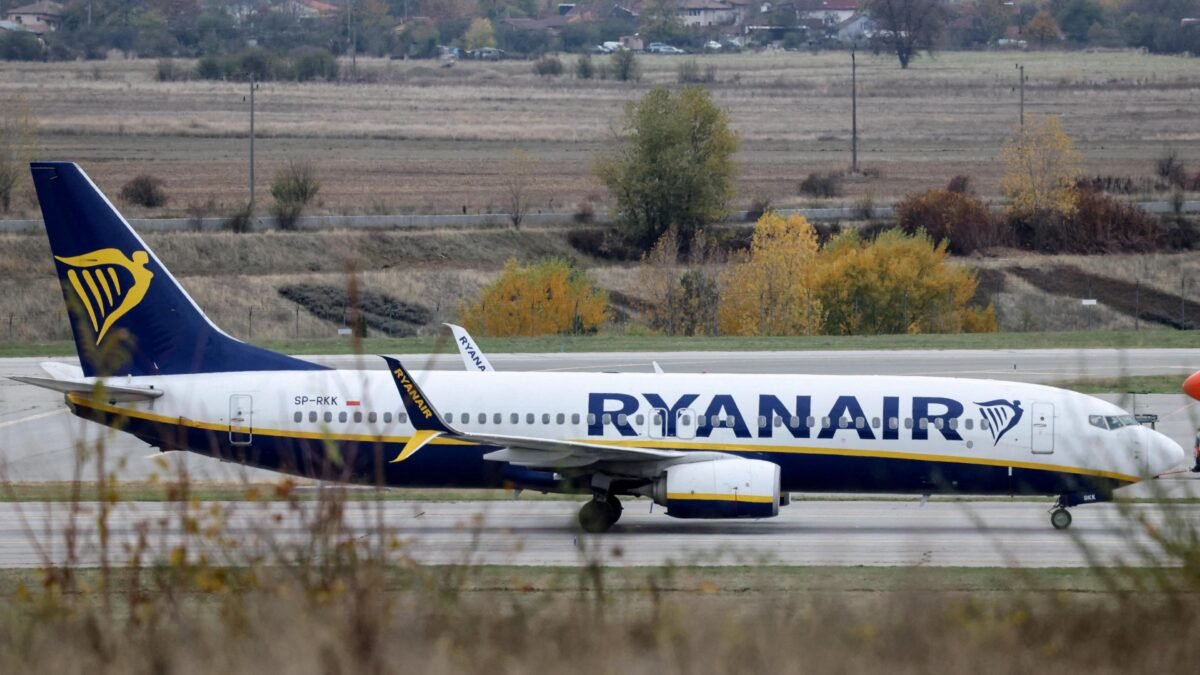
A sudden surge in hoax bomb threats has rattled Europe’s aviation industry, with at least 32 threats reported across a dozen airlines in just four days. The incidents, which arrived via phone calls and emails, have all proven to be false alarms, but each one triggered an urgent and costly response from carriers and authorities.
The disruption has been widespread. Some aircraft were shadowed by military jets. Others underwent discreet inspections by cabin crew mid-flight, aiming to avoid panic among passengers. Several flights were forced to divert to alternate airports, sometimes in different countries. In one case, an Aer Lingus flight landed at an airbase roughly 1,000 kilometers from its intended destination after running low on fuel.
Airlines Bound by Protocol

Despite the hoaxes, airlines have no choice but to treat every threat as genuine until proven otherwise. Marco Chan, a former commercial pilot and aviation expert at Kingston University, explained that carriers follow a triage system but apply the same safety protocols to each incident until they are certain no danger exists. That can involve inspecting the aircraft while airborne and conducting a thorough search after landing.
Passengers may remain unaware of the situation until they are asked to disembark. Chan noted that while this causes inconvenience, it is a minor cost when safety is on the line.
The visible presence of sniffer dogs and specialist teams on the tarmac, searching commercial planes for explosives, can be alarming. So far, the disruption has been confined to a few thousand passengers directly affected.
Financial and Operational Impact

Paul Mason, an aviation security expert, said the airlines involved will incur financial costs, but diversions are a routine part of operations. He pointed out that more than a hundred planes are diverted daily for reasons such as technical faults, medical emergencies, or weather. Those numbers far exceed the handful of diversions caused by hoaxes, meaning airlines are well prepared for the unexpected.
Passengers are unlikely to receive refunds, Mason added, because the incidents are not the airlines’ fault.
Who Is Behind the Threats?

The most troubling aspect is the seemingly random selection of targets and the absence of credible intelligence about the perpetrators. Aside from emails in which an extremist misogynist group claimed responsibility for a few of the incidents—a claim later denied by its founder—investigators appear to have few leads.
Mason, who has 20 years of military experience, said the incidents bear the hallmarks of hybrid warfare, which employs unconventional methods such as cyber attacks. He described the pattern as coordinated and suggested that while Russia has denied involvement, proxies could be responsible. Such an approach, he said, is an easy way to sow disruption and chaos while maintaining plausible deniability.
The challenge is compounded by the difficulty of tracing sophisticated perpetrators. Mason acknowledged that opinions about who is behind the threats are easy to come by, but identifying the actual culprits is another matter.
Severe Penalties for Perpetrators
Mason warned that individuals who attempt to copy the threats could face serious consequences. Under the Aviation Security Act 1982, intentionally communicating false, misleading, or deceptive information that endangers—or is likely to endanger—the safety of an aircraft in flight is a serious criminal offense. The maximum penalty is life imprisonment.
While airports and airlines have little ability to prevent threats from being made, the harsh punishment is intended to deter them. Mason cautioned that someone might think it is a joke and easy to do, but unless they are highly sophisticated, they are very likely to be traced and end up facing prison.