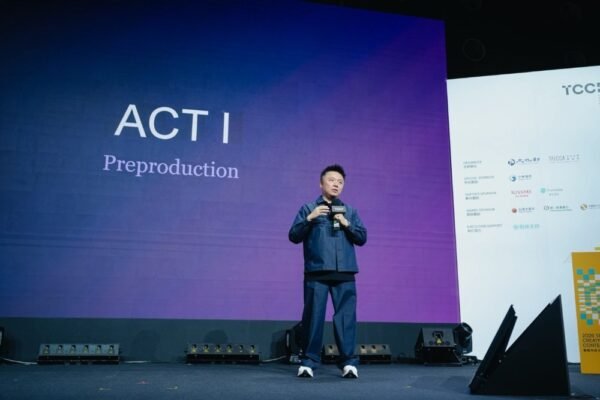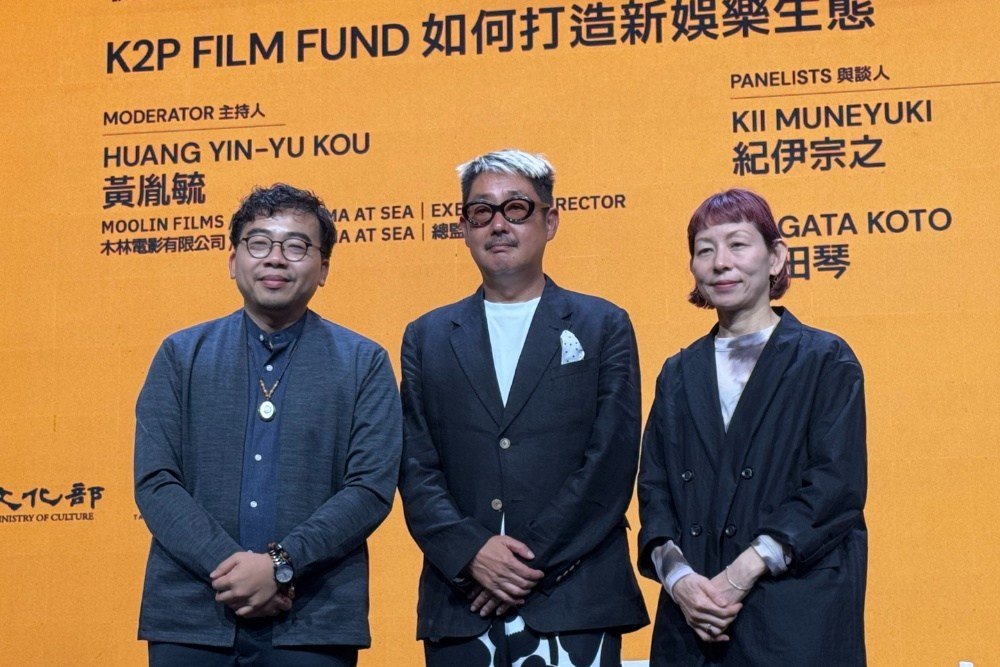
Stephen Chow Japan kung fu — Japan’s action cinema should look inward rather than borrow from Chinese martial-arts traditions, Hong Kong actor-director Stephen Chow once advised. The recollection came from Kii Muneyuki, founder of K2 Pictures, during a Saturday appearance at the Taiwan Creative Content Fest in Taipei.
Kii said the conversation took place over drinks in Tokyo, where the two men have met several times. According to Kii, Chow made the case that Japanese filmmakers already possess a rich fighting heritage of their own and should use it on screen instead of mimicking kung fu.
A Candid Conversation in Tokyo

Kii recounted that Chow listed karate, judo, jujitsu and kendo as distinctly Japanese disciplines. In Chow’s view, these forms are cultural assets that only Japanese filmmakers can translate into action cinema. The advice, as Kii described it, was direct: Japan should stop aping kung fu and take ownership of its own martial arts.
Kii said he agreed with Chow’s assessment. He cited the Netflix sumo drama “Sanctuary” as an example of a project that draws on a tradition unique to Japan, suggesting that such culturally rooted work points the way forward.
Why the Advice Resonates

Chow’s remark carries weight given his standing in action comedy. The Hong Kong star-director is known for blending martial arts with physical comedy, and his perspective comes from a cinema tradition that has long exported kung fu to the world. Kii’s decision to repeat the story at a content market in Taipei gave it a public airing beyond a private barstool exchange.
The anecdote also lands at a moment when Japanese producers are increasingly looking for stories that travel internationally without losing a sense of local identity. “Sanctuary,” with its focus on sumo, fits that pattern. Kii’s point was not that Japan lacks action talent, but that its filmmakers may be overlooking the very traditions that could set their work apart.
What the Exchange Signals
The story emerged during a festival talk rather than a formal panel, which may explain its conversational tone. Kii did not present Chow’s view as a formal doctrine, but as a piece of advice from one filmmaker to another. Still, the remark touches on a broader question in Asian cinema: how much action filmmaking should lean on imported forms versus indigenous ones.
For Kii, the answer is clear. He said he shares Chow’s view that Japanese martial arts offer a foundation for action films that is both authentic and exportable. The mention of “Sanctuary” served as a concrete example, though Kii did not elaborate on specific projects K2 Pictures might pursue along those lines.
The exchange also highlights the continuing cross-pollination between Hong Kong and Japanese film cultures. Chow and Kii have met socially in Tokyo, and the advice was delivered in that informal setting. At TCCF, Kii used the memory to make a point about cultural specificity in a market increasingly focused on content that can travel.
Martial Arts as Cultural Material
Chow’s list of Japanese disciplines — karate, judo, jujitsu and kendo — spans striking, grappling, and weapons-based traditions. Each has appeared in Japanese films and television, but Kii’s retelling suggests there is still room to build action cinema more deliberately around them. The implication is that imitation of kung fu may have become a default, and that default may be limiting.
Whether the advice will shape future productions is uncertain. What is clear is that Kii chose to repeat it publicly, giving Chow’s words a wider audience at a festival that brings together content creators from across the region. For now, the story stands as a memorable piece of filmmaker-to-filmmaker counsel, delivered over drinks and recalled on a Taipei stage.