Android users who have watched from the sidelines as DroidDeck PC game emulator remained exclusive to high-end Snapdragon hardware now have a reason to celebrate. The latest update, version 0.70, breaks that restriction, opening the door to phones and tablets powered by MediaTek, Google Tensor, and Samsung Exynos chips. The move marks a significant broadening of the app’s reach, turning a niche tool for one set of flagship devices into a more inclusive platform for PC gaming on the go.
From Snapdragon-Only to Chip-Agnostic
Until now, DroidDeck’s compatibility list was short and premium: only devices running Qualcomm’s top-tier Snapdragon silicon could launch the emulator. That limitation left owners of many capable Android devices out of the loop. With version 0.70, the development team has added support for non-Qualcomm GPUs, specifically Mali, PowerVR, and Xclipse. These graphics processors underpin a wide range of hardware, including MediaTek’s Dimensity and Helio series, Google’s Tensor line, and Samsung’s Exynos chips.
The practical effect is immediate. When a user installs and opens DroidDeck on a supported device, the app automatically scans the chipset and selects the appropriate drivers. There is no manual configuration step described in the release notes; the emulator handles driver matching on its own. That automation lowers the barrier for newcomers and reduces the risk of users picking the wrong driver for their hardware.
A Growing Feature Set, Now More Accessible
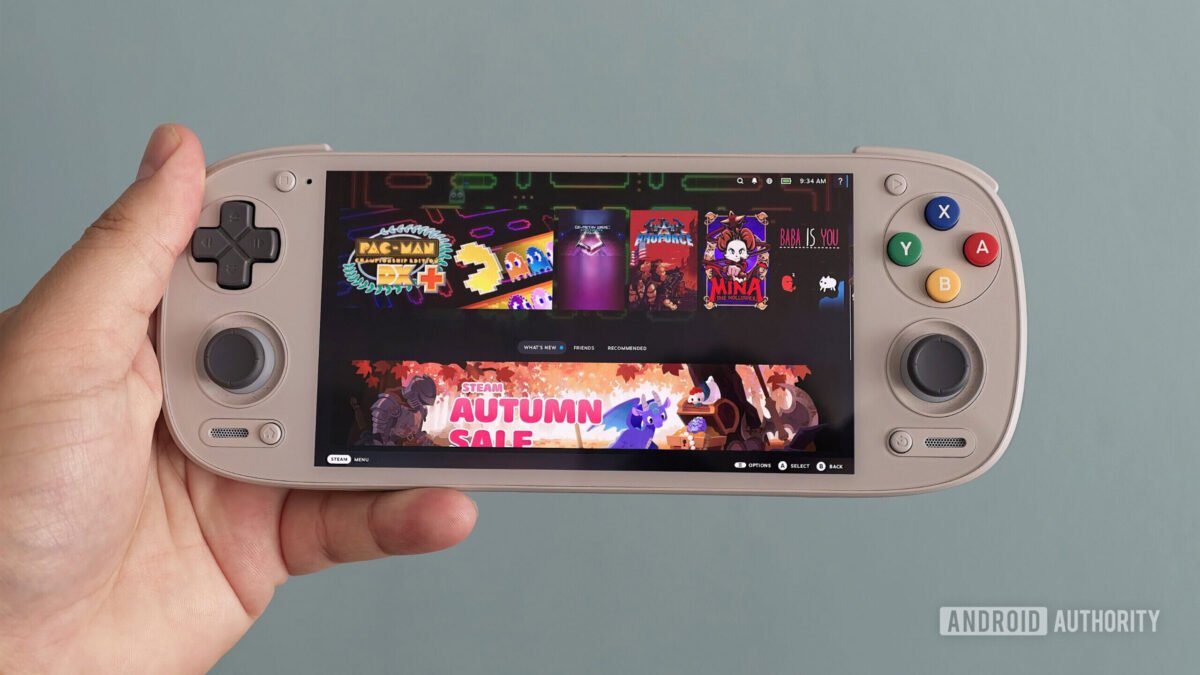
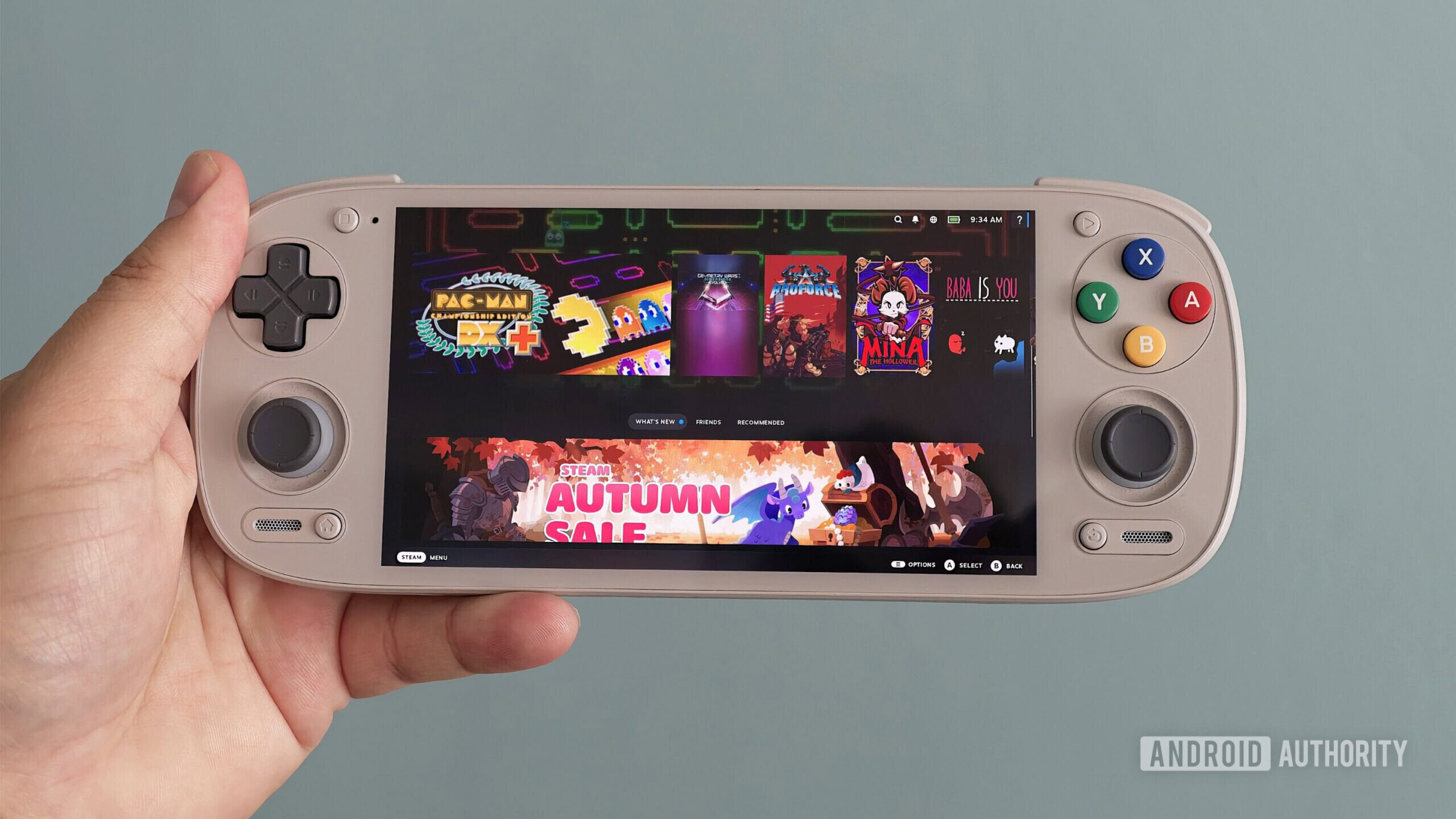
DroidDeck has earned attention for more than its chip support. The emulator lets users play titles from their Steam library, and it has recently added the ability to run Xbox Cloud Gaming as well as Game Pass titles locally. Its interface follows a Steam OS-style layout, which gives the app a familiar feel for PC gamers. The combination of local emulation and cloud gaming support makes it a versatile option for Android users who want to carry their PC game collections with them.
That versatility was previously locked behind a hardware paywall. By extending compatibility to Mali, PowerVR, and Xclipse GPUs, DroidDeck now addresses a much larger install base. The update does not promise identical performance across every chip, but it does remove the blanket exclusion that kept many devices from running the app at all.
Dual-Screen Interface Adds Flexibility
Version 0.70 also introduces a dual-screen interface. In this mode, one screen can display a standard Linux desktop while the other runs the game or shows performance statistics. The feature is not merely cosmetic; it gives users a way to monitor system behavior or interact with a desktop environment alongside their game. For users who like to keep an eye on frame rates or system load, the performance-stats option provides that visibility without leaving the gaming session.
The dual-screen addition reflects a broader trend in Android emulation: as mobile hardware becomes more powerful, the software is evolving to support more complex workflows. Running x86 software on Arm64 hardware has become easier in recent years, and that ease has fueled interest in PC emulation on phones and tablets. DroidDeck’s latest update leans into that momentum by making the app more adaptable both in terms of hardware and interface.
What the Update Means for Android Gamers
For owners of MediaTek Dimensity or Helio devices, Google Tensor phones, and Samsung Exynos-powered Galaxy handsets, the change is straightforward: DroidDeck is now an option where it previously was not. The automatic driver detection means users can install the app and launch it without hunting for chip-specific files. The dual-screen mode adds a layer of utility for those who want more than a full-screen game view.
The update does not signal a departure from Snapdragon support; existing users on Qualcomm hardware remain covered. Instead, version 0.70 expands the tent. DroidDeck’s team has not indicated any reduction in features for the original supported chips, and the release notes frame the change as an addition rather than a replacement.
As PC emulation continues to gain traction on Android, moves like this one matter. They determine whether an app remains a specialist tool for a narrow slice of devices or becomes a mainstream option for anyone with a reasonably capable phone. By supporting Mali, PowerVR, and Xclipse GPUs, DroidDeck is betting on the latter. The result is a more competitive emulator landscape and, for many Android users, a first real chance to try a Steam-library-friendly PC emulator on the hardware they already own.