A sweeping new analysis of local government meetings has quantified what many communities have been expressing: a pronounced data center backlash. According to the American Sentiment website, operated by San Francisco AI startup Prophecy Gov, more than 90% of public comments submitted during meetings about proposed data center developments were negative.
The database, which contains 10,202 public submissions from 906 meetings across 417 local governments in 48 states, found that 90.5% of comments opposed data center projects, while only 7% expressed support. An additional 2.5% of submissions consisted of questions about the proposals. In 73% of the meetings, no residents spoke in favor of the developments at all. Even when supportive voices were present, opponents outnumbered supporters by roughly six to one.
Opposition Cuts Across Political Lines
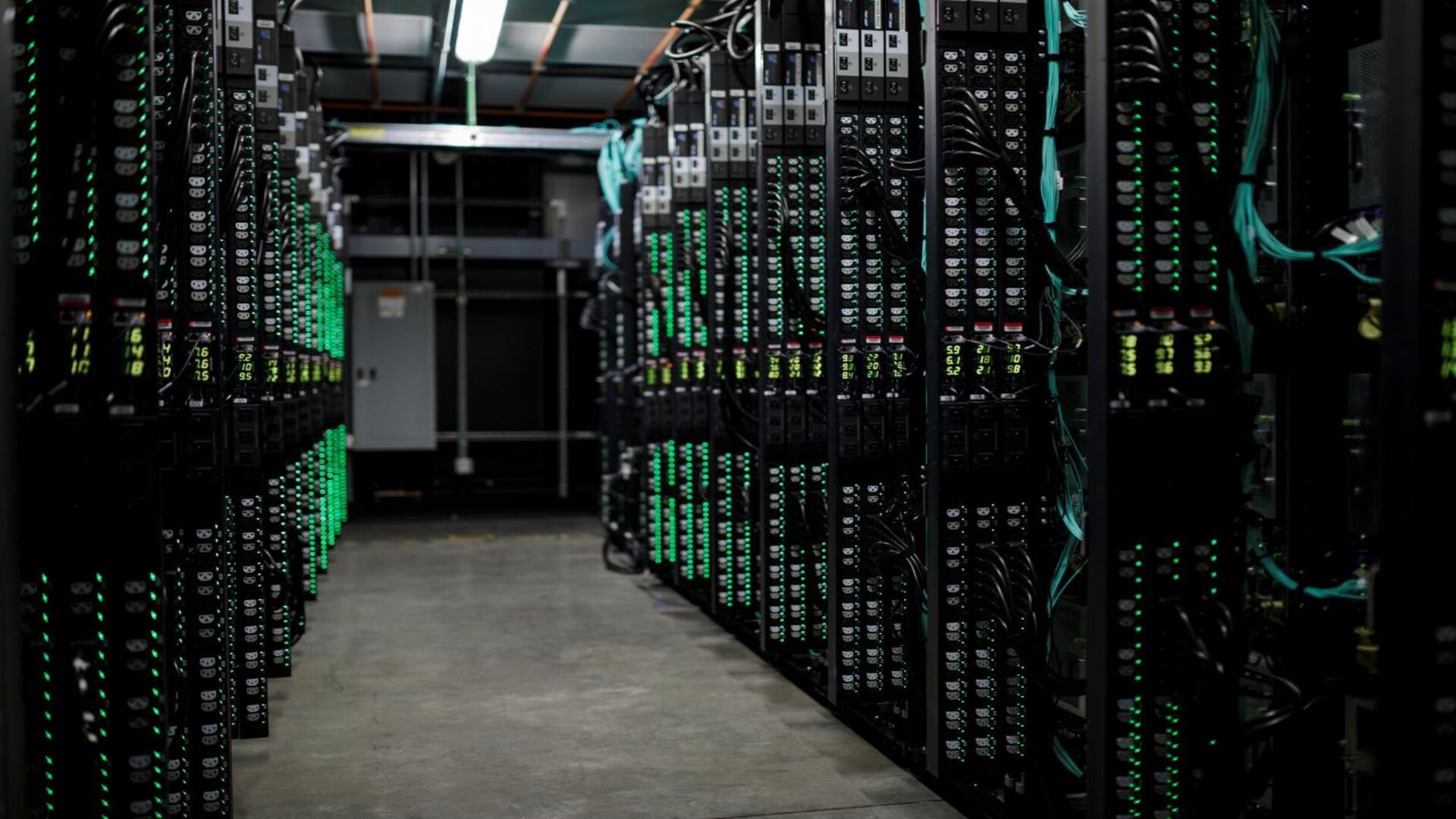
The resistance is not confined to one political affiliation. Republican and Democratic counties recorded nearly identical levels of opposition, suggesting that concerns about data centers transcend partisan divides. However, the specific issues driving opposition varied by community type. Rural residents frequently focused on farmland and property rights, while urban and suburban participants more often raised concerns about pollution, electricity costs, government accountability, and inadequate disclosure.
Water Consumption Dominates Concerns
Among opponents, water consumption drew the most attention, particularly after reports of large withdrawals by individual computing facilities. One project reportedly consumed 29 million gallons in May 2026, leading nearby residents to notice reduced water pressure in their local supplies. Microsoft later claimed that its newer artificial intelligence facilities consume approximately the same annual water volume as restaurants, but such comparisons have not quelled public worries about resource use and its impact on surrounding communities.
Electricity costs and environmental pollution also featured prominently in the comments, underscoring that most objections are not solely about technology but about tangible local impacts.
Tech Companies Face Scrutiny
Public criticism has extended to major technology companies associated with AI and large-scale computing infrastructure. Google, Amazon, Meta, and Microsoft were among the firms mentioned during discussions of proposed developments. Elon Musk, CEO of SpaceX and xAI, received the most personal references, followed by OpenAI CEO Sam Altman and Palantir co-founder Peter Thiel, who ranked third ahead of Meta CEO Mark Zuckerberg and Amazon founder Jeff Bezos.
Despite the attention on artificial intelligence, only 21% of submissions mentioned AI directly, indicating that most objections centered on other factors such as electricity expenses, environmental pollution, water availability, and local development.
Support Varies by Occupation
Support for data centers also differed significantly by occupation. Approximately 79% of commenters who identified as union workers supported construction, compared with just 3% of property owners and residents. Even among people employed directly in the data center industry, only 40% supported building additional facilities, suggesting that job opportunities have not translated into broad public acceptance.
The findings paint a of widespread skepticism toward data center expansion, driven by concerns over water, power, and local oversight. As proposals continue to emerge across the country, the data indicates that communities are increasingly vocal in their resistance, and the debate is unlikely to fade.