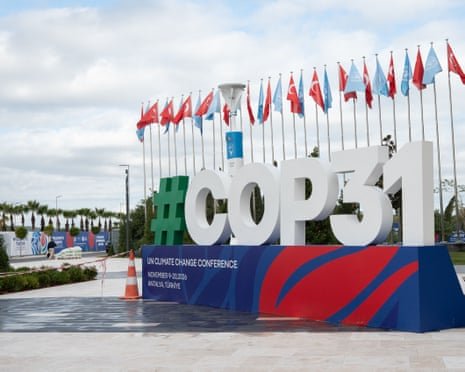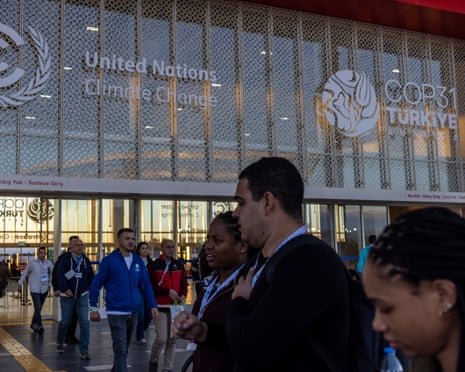
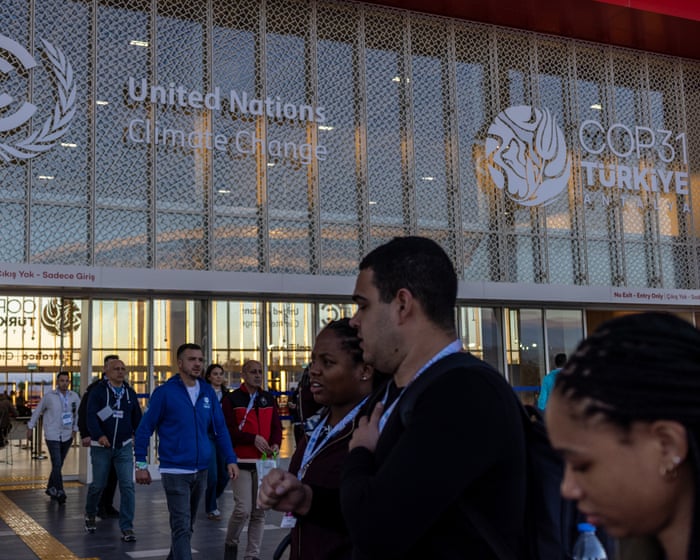
The Cop31 key players gather in Antalya this week after a bitter dispute over hosting rights that has left Australia and Turkey sharing the summit’s leadership. Australia runs the negotiations, while Turkey controls the action agenda. The arrangement has cast a shadow over proceedings, with Australia’s commitment questioned by some observers and Turkey’s president showing little prior interest in climate issues.
Australia: Reluctant Host
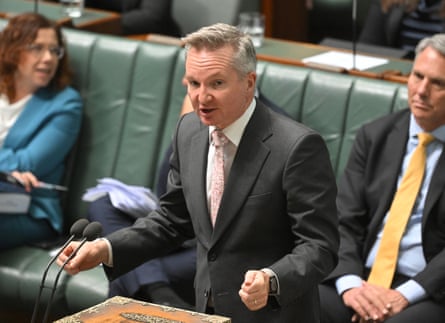
Prime Minister Anthony Albanese pledged to host a Cop during his 2021 election campaign, but arcane rules delayed the bid and sparked an angry row with Turkey. The compromise put Australia in charge of negotiations in the Turkish city. Albanese will speak at the opening of the leaders’ segment but is unlikely to linger. Climate and energy minister Chris Bowen will manage daily negotiations, a role that has placed him in the awkward position of promoting fossil fuels while advocating a clean energy shift. Australia remains a major fossil fuel exporter but has invested heavily in renewables, with solar power so abundant that consumers sometimes receive free electricity.
Turkey: Agenda Setter

President Recep Tayyip Erdoğan showed scant interest in climate before bidding to host, but his government, through environment minister Murat Kurum, controls the action agenda. Erdoğan has used this platform to advance his wife Emine’s focus on cutting waste and promoting the circular economy. She has called for an end to throwaway culture and for recycling over landfill, though Turkey still has sites leaking large amounts of methane. Fatih Birol, head of the International Energy Agency, is understood to be among the advisers behind this year’s emphasis on electrification—replacing fossil fuels with electricity for heating, transport and industry, which could halve energy demand.
Brazil: Roadmaps and Deforestation
Recently re-elected President Lula da Silva makes his first foreign trip since winning a historic fourth term. He brings two non-binding roadmaps: one for a global transition away from fossil fuels, the other for halting and reversing deforestation. They contain no deadlines or firm requirements but outline steps governments can take.
China: The Absent Giant
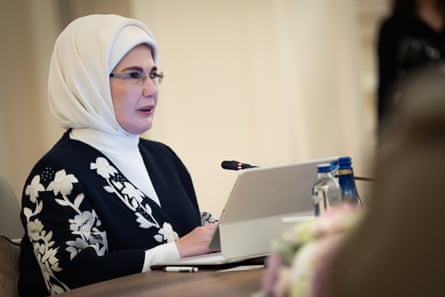
President Xi Jinping will not attend, but China’s rapid energy and industrial transformation will shape the planet’s future. As the world’s second biggest economy and largest emitter—nearly a third of global annual carbon output, mainly from fossil fuels powering 25 years of explosive growth—China has also invested heavily in renewables, reshaping the global energy business. Xi’s officials know that petrostates such as Russia, Saudi Arabia and the UAE are important allies, but countries pushing for a low-carbon future may be even more important as customers.
India: Torn Between Coal and Clean Energy
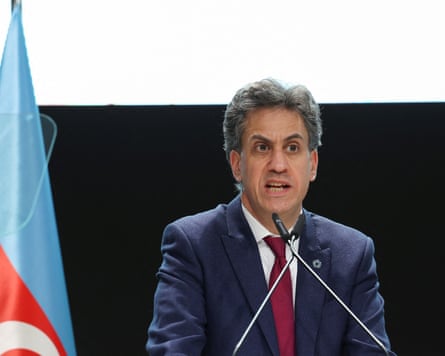
Prime Minister Narendra Modi considered hosting Cop33 in 2028 but withdrew in April without explanation. India now has the world’s third largest installed renewable capacity after China and the US, yet coal still supplies about 70% of electricity and has close links to Modi. Environment minister Bhupender Yadav, who leads the delegation, has a mutually supportive relationship with the UK’s Ed Miliband and a reputation as a forward thinker.
United States: Absent but Influential
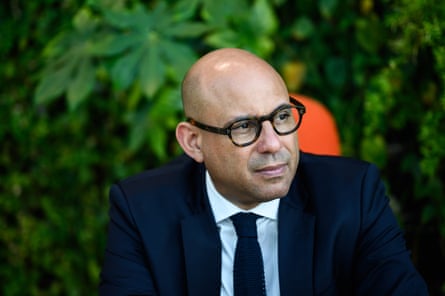
No US delegation is expected, and soon Donald Trump’s withdrawal from the UN climate framework will bar participation entirely. Trump’s attention has been on midterm elections that revealed the electoral dangers of an unpredictable White House. His administration’s unpopularity and a summer of drought and fire have bolstered pro-climate stances among Democratic congresspeople and state governors, some of whom may attend.
United Kingdom: New Leadership, New Focus

Andy Burnham attends his first Cop after a mixed climate record. Criticised for silence during record heatwaves and droughts, he later affirmed support for the UK’s 2050 net zero target but backed the Jackdaw gasfield; no decision has been announced on Rosebank. From December, the UK takes the G20 presidency and will emphasise resilience to climate impacts. Foreign secretary Ed Miliband, praised for bridge-building that helped rescue a deal at Cop30, is expected to accompany Burnham. Energy and net zero secretary Miatta Fahnbulleh will head the UK delegation for final negotiations.
European Union: Retreat and Resolve
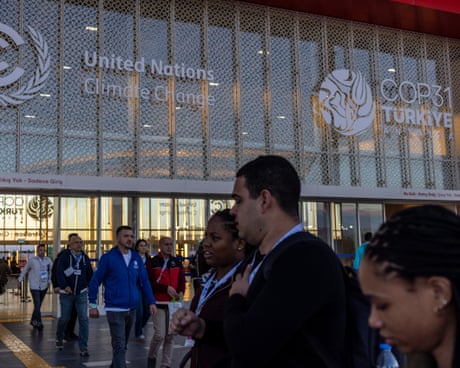
The EU has watered down its green deal, loosened corporate climate liabilities, delayed deforestation rules and extended car emissions phase-ins as far-right populists push climate denialism. The car industry’s failure to shift decisively to electric vehicles—preferring to lobby against emissions standards—has led to threats of tariffs on China. Commission president Ursula von der Leyen, who called this summer’s heatwaves and drought a “summer of truth,” is confirmed to attend. Climate commissioner Wopke Hoekstra will oversee final talks and is expected to focus on competition with China.
United Nations: Final Outing for Guterres
Secretary-general António Guterres makes his last Cop appearance, having regularly intervened powerfully on the issue. No successor has been chosen; the US has tried to install Viktor Orbán or former UAE minister Lana Nusseibeh. Simon Stiell, executive secretary of the UNFCCC, oversees talks with the added twist of liaising between two co-hosts and fractious parties.
Saudi Arabia: Obstructionist Force
Saudi Arabia did not confirm its delegation leader before Cop, but its recent behaviour speaks volumes. Long a blocker in UN climate negotiations, it was sometimes muted when the US intervened. With Trump in the White House, Riyadh feels emboldened to interfere further, allied with Russia, Venezuela, the Arab group and the Like-Minded Developing Countries. At Cop30, Saudi refused even an oblique mention of the Cop28 pledge to transition away from fossil fuels until the final moments. At recent IPCC meetings, Saudi led a small group including China, India, Russia and Kenya to delay publication of the next comprehensive climate science assessment, expected in 2028 ahead of Cop33’s global stocktake. A delay would reduce urgency and could help countries avoid adequate decarbonisation measures.