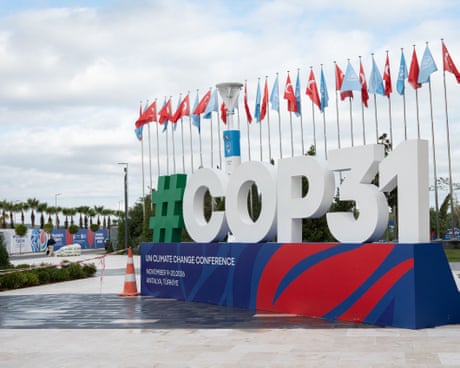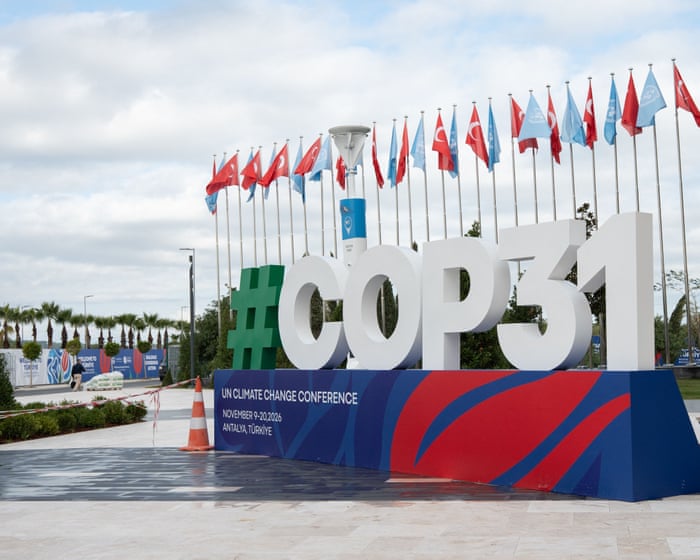
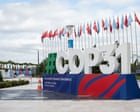
The Cop31 climate summit opens in Antalya, Turkey, on 9 November with an unusual leadership arrangement and a conspicuous empty chair. Delegates from more than 190 countries will gather for two weeks of negotiations, but the United States will not be among them at the presidential level after Donald Trump withdrew from the Paris agreement.
Turkey is hosting the event, yet Australia will chair the formal talks under a compromise reached after the two countries competed for the presidency. That split creates two tracks: Australia oversees the negotiations where governments work through programmes on a just transition, climate finance and efforts to keep the 1.5C goal within reach, while Turkey manages a voluntary action agenda covering waste and the circular economy, methane reduction, food security and the electrification of the global economy.
Why 1.5C still frames the debate
The Paris target of limiting warming to 1.5C above pre-industrial levels has already been breached, but the UN argues that fast cuts to greenhouse gas emissions could curb the overshoot and allow temperatures to fall again by the end of the century. That would require countries to loosen their reliance on fossil fuels and take up low-carbon technologies more quickly. Brazil has produced two roadmaps — one on moving away from fossil fuels and another on ending deforestation — that are meant to show how that could happen.
Finance and loss and damage
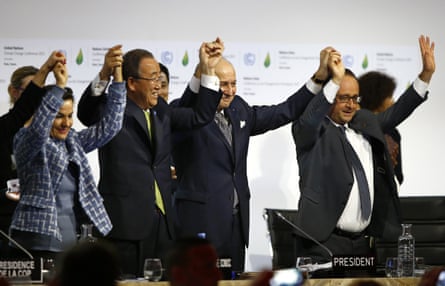
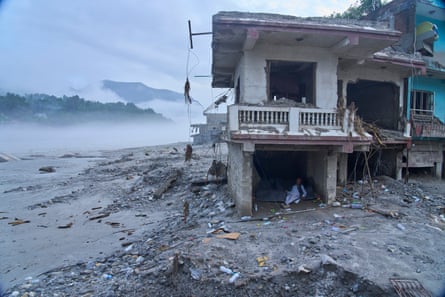
Developing countries are seeking far more support to deal with worsening climate impacts. Nepal, after recent flash floods, has been granted access to the global fund for loss and damage, which covers rescue and rehabilitation for communities hit by climate-related disasters. But the available money is insufficient, and poorer nations also lack the means to adapt infrastructure to more extreme weather. The pressure comes as rich countries cut overseas aid and rising interest rates add to debt burdens.
Fossil fuels remain a fault line
Not until Cop28 in 2023 did a final agreement directly address fossil fuels, and even then it only called for a transition away from them without a deadline or a plan. Getting the topic formally onto the Cop agenda still requires near-universal consensus, which producing countries have long resisted. This year the issue will be handled through a non-binding roadmap for the global transition.
What would count as progress
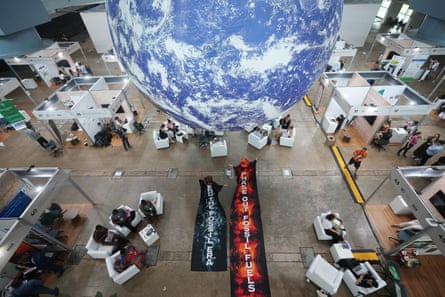
Against a tense geopolitical backdrop — with inflation, a rising far right and conflicts unsettling economies — some observers expect a low-key meeting. A stronger outcome would include acceptance of Brazil’s plans and a commitment to carry them forward, movement on climate finance for developing countries, a resolution to the dispute over climate science that has troubled recent Intergovernmental Panel on Climate Change meetings, and more detail on the just transition mechanism meant to help workers dependent on fossil fuels.
Progress may also come from outside the formal negotiations. More than 60 countries, including the UK, the EU and dozens of developing nations, met in Colombia earlier this year and pledged to transition away from fossil fuels. That coalition could grow in Antalya, and recent election results in Brazil, Canada, Serbia, Hungary and several US states have lifted climate supporters.
A US-shaped hole
Washington’s absence from the presidential level does not mean no American presence. Several prominent members of Congress may attend, along with businesspeople and civil society groups. Trump has sought to boost fossil fuel interests at home, but with oil prices still elevated after the war in Iran, the economics of low-carbon energy are looking more favourable.
Reasons for optimism
Energy security and technology offer grounds for cheer. Decentralised renewable generation has shown strategic value amid conflict. China’s oil imports are expected to fall about 12% this year because of rapid electric vehicle uptake, and its renewable generation capacity has overtaken coal, saving consumers and businesses billions as oil prices climb. Solar is expanding in Africa, rooftop panels in Pakistan now supply roughly a quarter of the country’s electricity, and close to half of new cars in places from Vietnam to some EU members are electric.
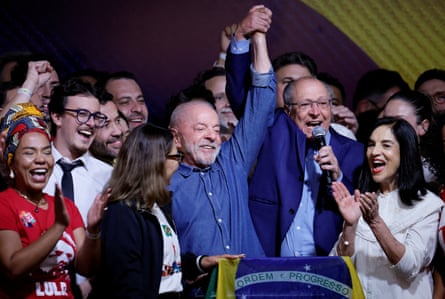
Electrification will be central to Cop31. Jan Rosenow, a professor at the University of Oxford, argues that the efficiency of electric technology could halve primary energy use worldwide. Politically, the re-election of Brazil’s President Lula has encouraged climate advocates. He is due to attend Cop31 — his first international trip since winning again — and is expected to make a forceful case that progressive parties can win while championing climate action.