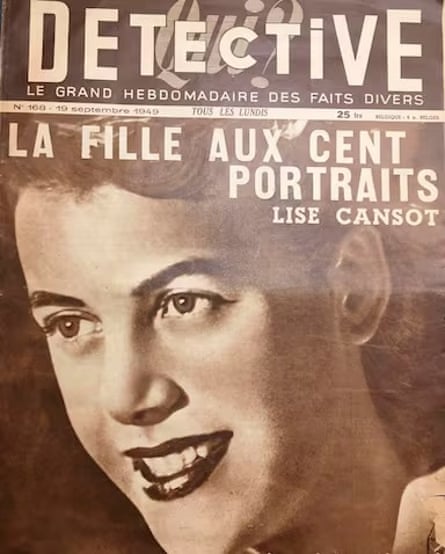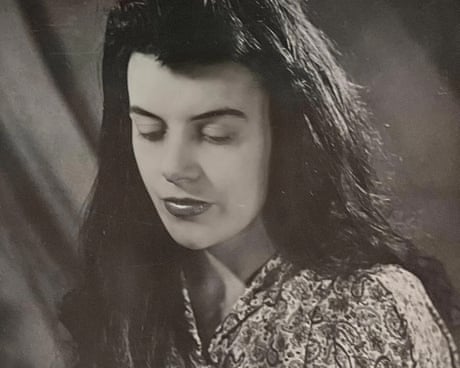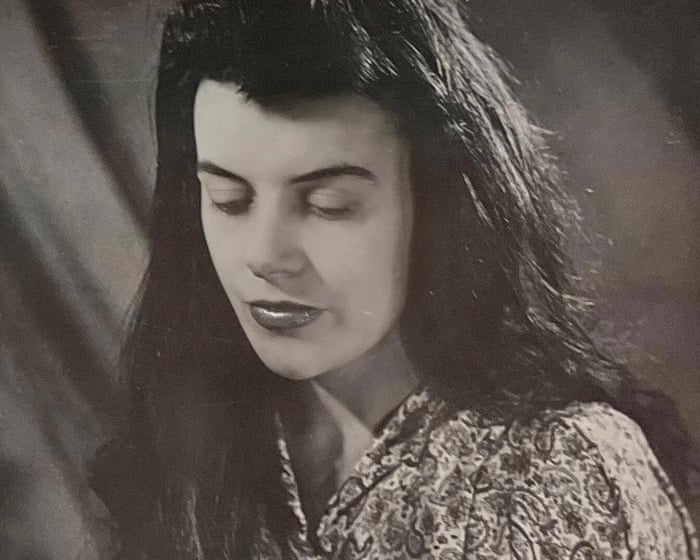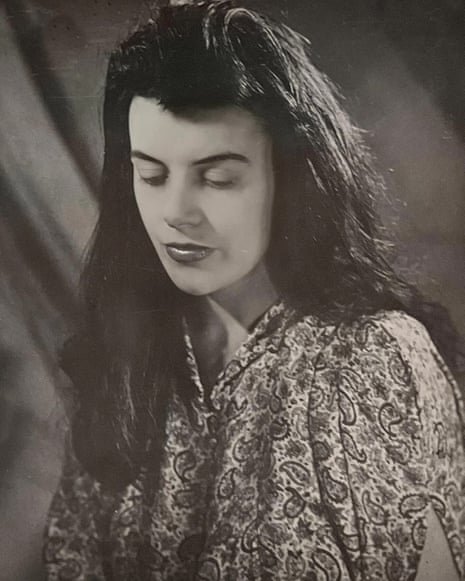
For nearly 80 years, Louise Cansot was little more than a case file in Paris. Known as “the girl of 100 portraits,” she was a sought-after model for Montparnasse painters, but after her body was found near the Seine in September 1949, police dismissed her as a libertine and an unmarried mother. Their investigation lasted four months and produced no arrest. Now, two books published on the same day aim to repair a reputation that was damaged first by the police report and then by the press.
A Breton Writer's Long Pursuit
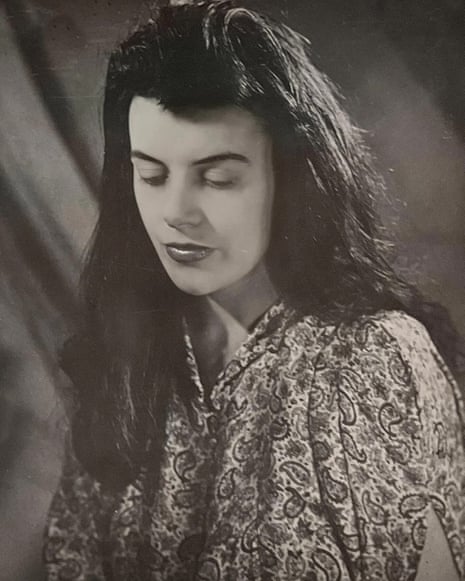
Luc Corlouër, from the Breton village of Tréguier where Cansot was born, began gathering material on her life decades ago. His interest dates to 1981, when a woman at the local war memorial told him that one of the names belonged to a local girl, Annick Cansot, killed by a German truck. The woman added that Annick’s older sister had been murdered in Paris. Corlouër decided to find out what had happened to Louise Cansot.
He wrote a novel built around the murder investigation, but it failed to identify the killer. Publisher after publisher turned it down. Corlouër came to believe that only one writer could do the subject justice: Philippe Jaenada, whom he had met at a literary salon. Then Jaenada contacted him, saying he was interested in the case but would not proceed without Corlouër’s cooperation.
What followed was an unusual act of literary solidarity. Corlouër handed over his research—maps, photographs, paintings, documents, letters and newspaper clippings—and the two men agreed to write separate books. Jaenada’s novel, L’Inconnue du Quai de Javel, went on to win the Prix Goncourt. Corlouër’s nonfiction account, La Tragédie du plus beau modèle de Paris, was published on the same date, 19 August, drawing on the documentary record of the case.
From Tréguier to Montparnasse
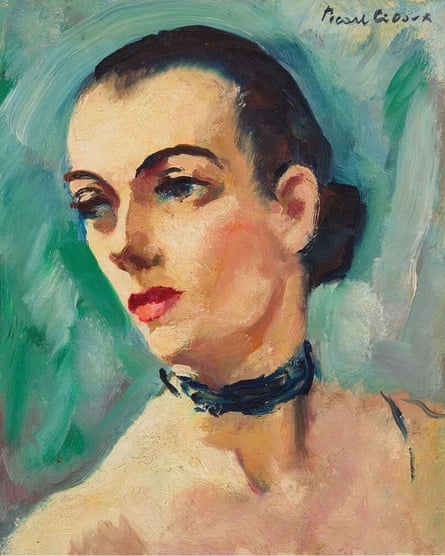
Louise Cansot, nicknamed Lise, was the daughter of a shoe repairer. At 16 she left her family for Paris, where her beauty drew the attention of celebrated artists who competed to paint her. When war came and most of the painters left for the south, she stayed in the city, working as a film extra, a waitress and a dancer at the Folies Bergère. She had a five-year-old daughter, Nathalie, whom she placed with a nanny in the suburbs until she could afford an apartment. With the artists gone and her income uncertain, her circumstances grew increasingly difficult.
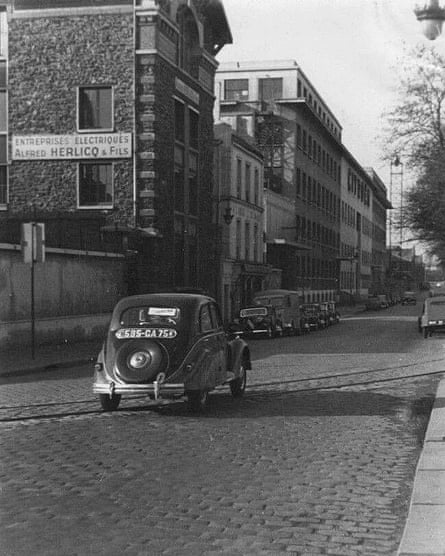
On 7 September 1949, her body was discovered on the Quai du Javel, now the Quai André-Citroën, in the 15th arrondissement. Detectives considered four possible suspects but quickly closed the case as unsolved. The 300-page police report described her as a woman of ill repute, and newspapers speculated that she was a sex worker, an alcoholic or a drug addict.
A Modern Woman Judged by Her Era
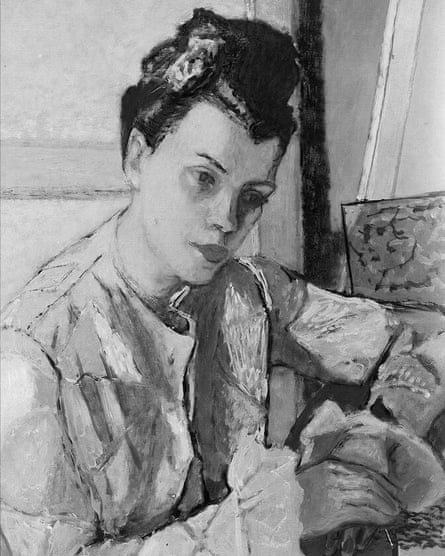
Corlouër argues that Cansot was a woman ahead of her time. She dressed well, was intelligent and chose her lovers freely. But the police and the press saw only a young woman who had a child outside marriage, held jobs they considered improper and posed for painters. In their eyes, she had brought her fate upon herself.
Jaenada’s 530-page novel offers a more sympathetic portrait and names the man he believes strangled Cansot after inviting her to see a flat she hoped to rent. His research included reading 74 of the 75 Georges Simenon novels featuring Inspector Maigret set in 1940s Paris.
Both authors also traced Nathalie, now 80, who was raised by another sister, Valentine. Corlouër recalled that Nathalie’s first reaction was to refuse to hear anything about her mother and to repeat that Lise was a prostitute. Her aunt, jealous of Lise, had spent years telling the girl that her mother was disreputable. When the two writers explained that this was untrue and that her mother had been a remarkable woman, Nathalie did not cry. She was, Corlouër said, tough like her mother—but astonished. For him, that moment amounts to a kind of happy ending to a tragic story.
Repairing a Reputation
Corlouër and Jaenada set out to rehabilitate Cansot after 77 years of slander. The police report, Corlouër noted, more or less stated that she deserved what happened to her, and defamation continued after the murder. Their two books, different in approach but united in purpose, now offer the fullest account yet of a woman whose portraits once filled Paris studios and whose death was forgotten by the city that had admired her.