attach Fitbit Air to watch — If you want the health metrics of a fitness tracker without giving up the analog watch on your wrist, you can attach a Fitbit Air to almost any old-school watch. The $99.99 tracker is screenless, so it slips under the wrist while your regular watch face stays visible on top. That setup avoids wearing two separate devices, one on each arm, and keeps your familiar dial in view.
Two ways to combine the devices
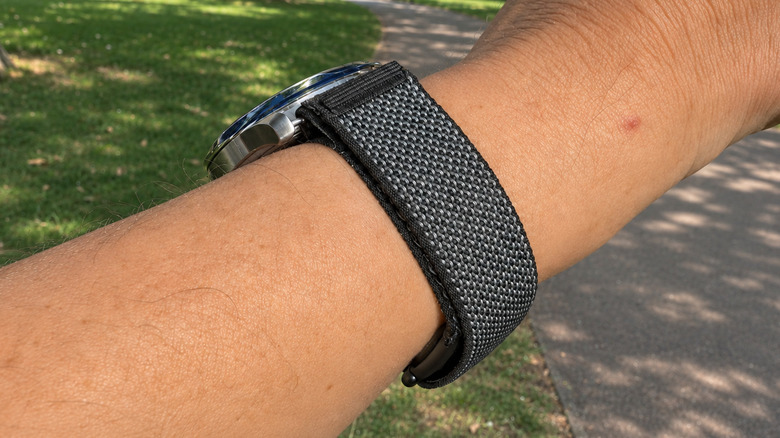
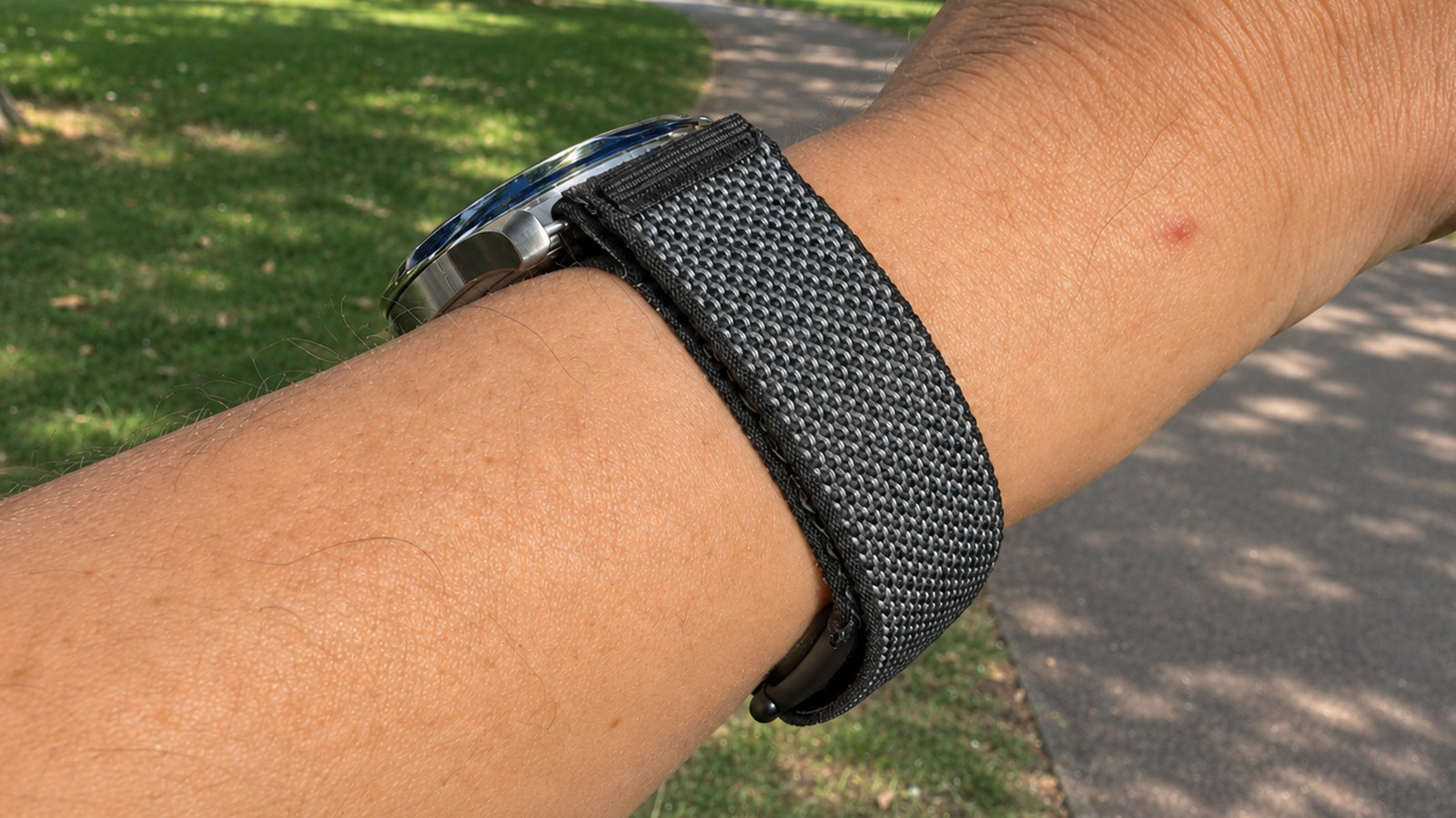
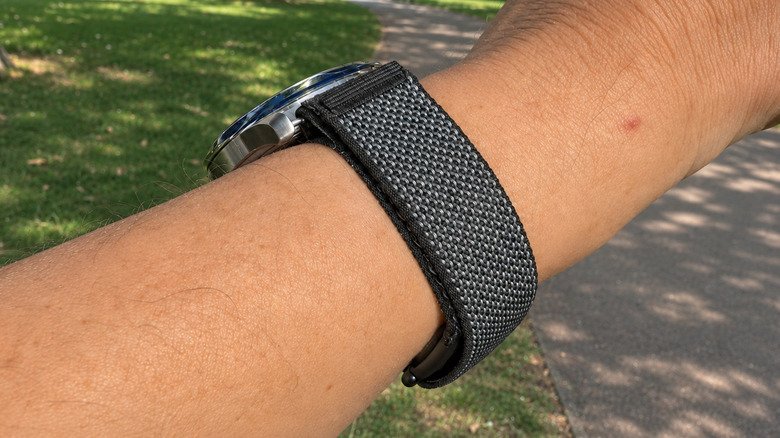
The simplest route is to swap your watch’s original strap for the Fitbit Air’s 18mm Performance Loop. Take off the existing band but leave the spring bars in place. Then thread the Fitbit band under both spring bars the way a NATO-style strap would sit. The watch ends up on top of your wrist and the Fitbit sensor sits underneath.
This method depends on your watch’s dimensions. An 18mm lug width—the space between the points where the strap attaches—is ideal. Watches with 19mm or 20mm lugs can also work, though small gaps will show on either side of the band. Anything narrower than 18mm will not fit the stock strap, and very wide watches may look disproportionate. You also need enough clearance between the spring bars and the watch case to slide the band through.
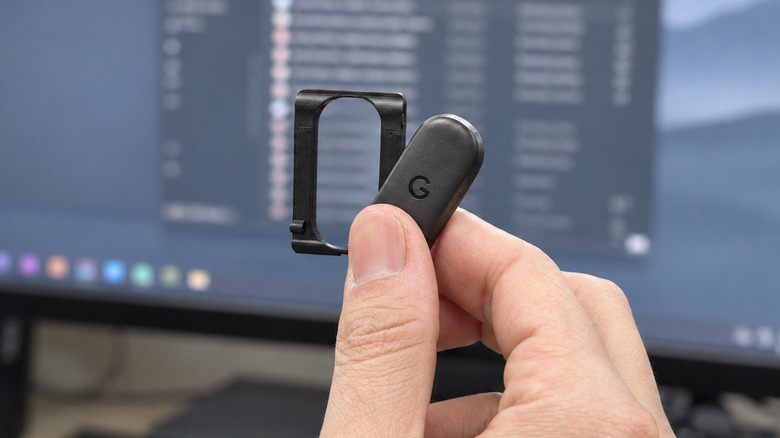
If you would rather keep your current strap, some users have designed 3D-printed adapters that hold the Fitbit Air’s removable sensor beneath a standard watch strap. One influencer showed this working with a Hamilton Khaki Field King while keeping its original band. The adapter has to match the strap width and hold the tracker firmly, particularly if you plan to exercise while wearing it.
What to keep in mind before you commit
Google recommends wearing the Fitbit Air on top of the wrist for the most accurate readings. The company has not said whether wearing it underneath delivers the same accuracy. That uncertainty is worth weighing if you rely on heart-rate data during workouts or sleep tracking.
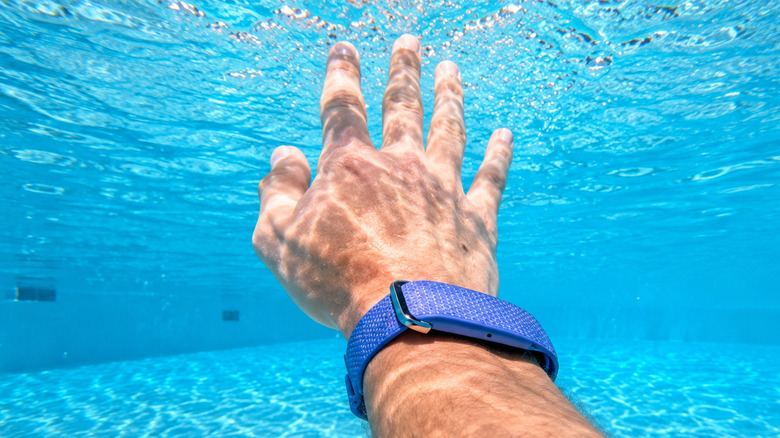
Comfort is another factor. Leaning on your wrist at a desk or typing for long stretches may feel awkward with the sensor pressed underneath. Swimming raises a separate concern: the Fitbit Air is water-resistant up to 50 meters, but your regular watch may not be. Older watch cases and leather straps can struggle with moisture or perspiration.
With the custom approach, a 3D-printed attachment could come loose during a heavy workout. Using the original Fitbit band for exercise may be the safer choice. The modification does not change the app requirements, either. You still need a Google Account and the Google Health app to view your fitness data. Basic activity and sleep tracking work without a subscription, while Google Health Premium adds personalized coaching for $9.99 a month or $99 a year.
For people who like the look of a traditional watch but want modern health tracking, the combination offers a practical middle ground. It does require checking your watch’s lug width and spring-bar clearance first, and it may not suit every activity. Still, with the right band or a printed adapter, the Fitbit Air can stay out of sight while your watch stays on display.