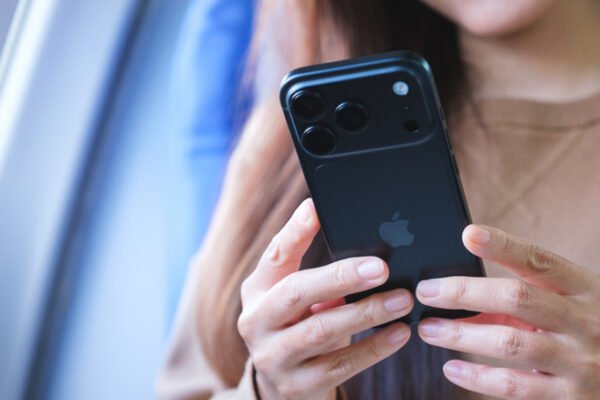
AI glasses drawbacks are worth understanding before you spend hundreds on a pair. Smart glasses have moved from science fiction to store shelves, and the market is growing. A 2026 survey by Security.org found that 25 percent of respondents said they were likely to buy smart glasses in the coming year. That’s a healthy sign for the category, but it doesn’t mean the technology is free of problems. From privacy worries to physical discomfort, there are legitimate reasons to pause before making a purchase.
Who Actually Uses Smart Glasses?
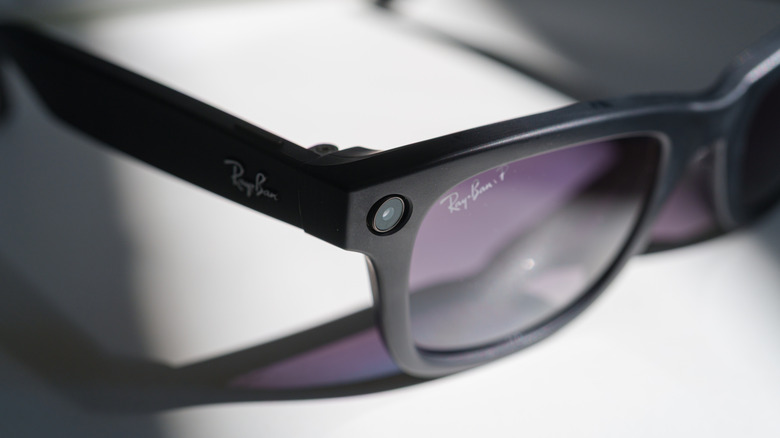
If you spend time on YouTube or social media, you’ve probably seen content creators wearing smart glasses. Tech reviewers and repair shops use them to show their work from a first-person view, and the format suits the technology well. But the user base is broader than that. Some seniors have adopted smart glasses for accessibility features, using them to keep track of doctor visits and medication reminders. People with disabilities have also embraced the devices, where the need feels more clearly justified. Not every gadget has to serve everyone, and when a tool makes daily life easier for certain groups, that’s a genuine benefit.
Privacy and Consent Concerns

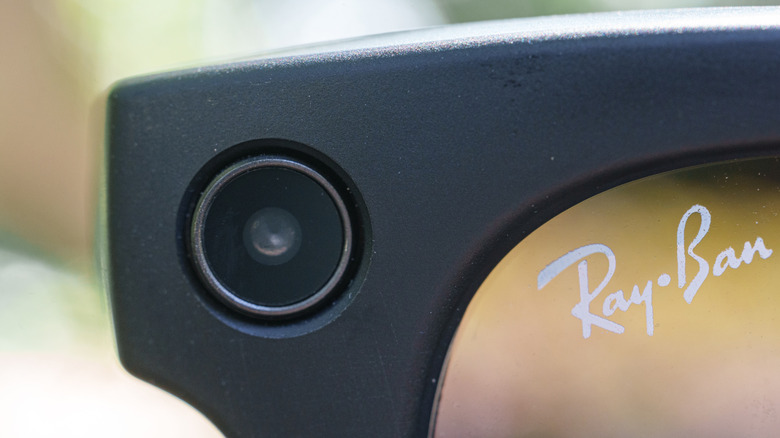
The most serious objections to smart glasses involve the cameras built into many models. Being recorded without your knowledge is unsettling on its own, but smart glasses make it possible to capture video in a way that is hard to notice. That has regularly put the technology at odds with consent and privacy laws. As a consumer, you should be aware of how the device works and how others might perceive it. As someone sharing space with smart glasses, you have every right to feel wary. The concerns are valid, even if the technology also has promising uses ahead.
Physical Comfort and Eye Strain
Wearing smart glasses for long periods can take a toll. The devices have developed a reputation for causing eye strain and irritation, similar to complaints associated with VR headsets. That matters for people who hoped to wear them all day at work. In workplaces that prize efficiency and quotas, the physical act of wearing smart glasses has had its ups and downs. Comfort is not a minor detail when the product is meant to sit on your face for hours.
The Value Question
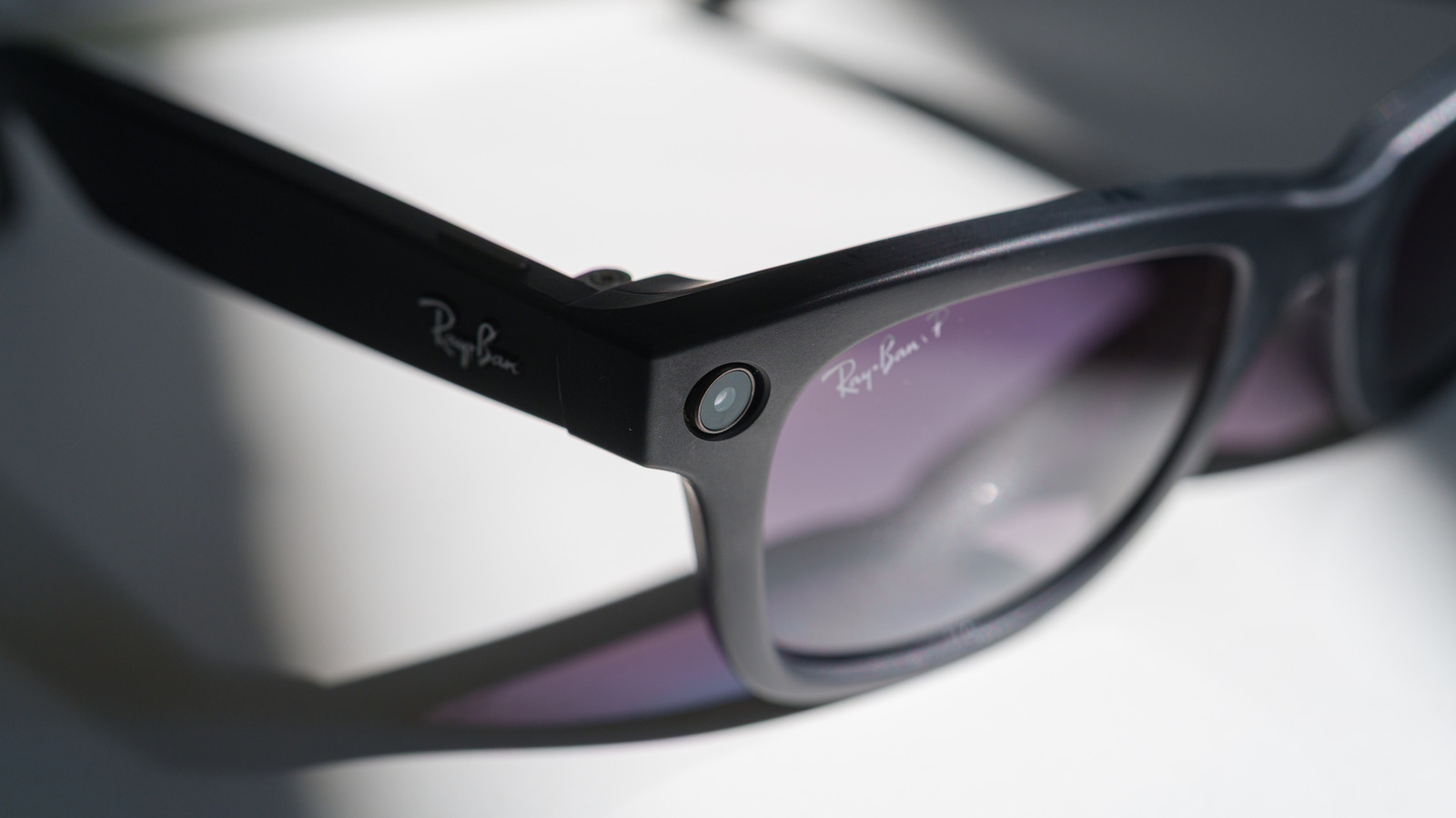
Whether smart glasses are worth buying in 2026 depends almost entirely on what they would do for you on a daily basis. The technology has been kind to some workers, but it is not a universal fit. The market is healthy, and interest is real, yet the drawbacks are real too. Privacy, eye strain, and unclear everyday value are all reasons to hesitate. That doesn’t make smart glasses a bad purchase for everyone, but it does mean the decision deserves more thought than a quick demo might inspire.