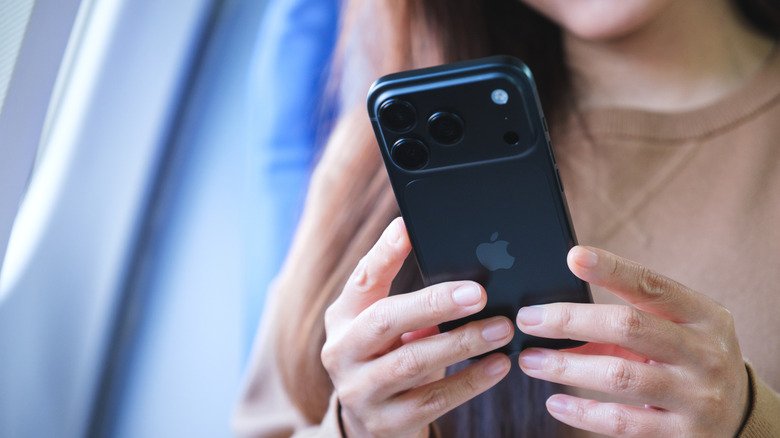
A 2TB phone storage configuration sounds like future-proofing until you see the receipt. On Apple’s latest lineup, jumping to the top tier can add well over a thousand dollars to an already expensive handset — and for the vast majority of buyers, that money buys empty space they will never fill.
What the Top Tier Actually Costs
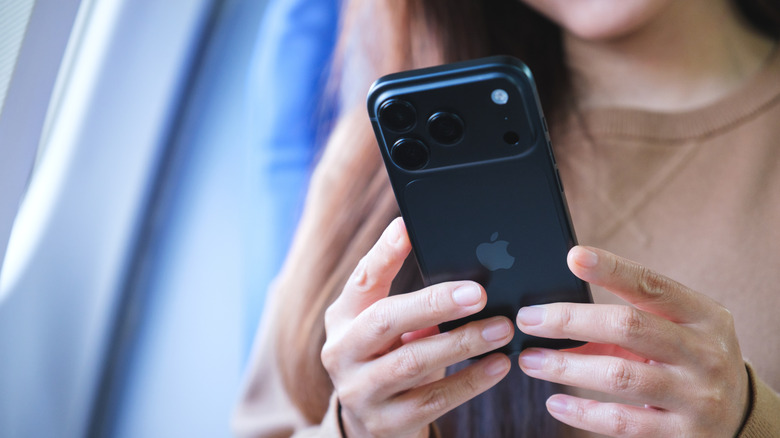
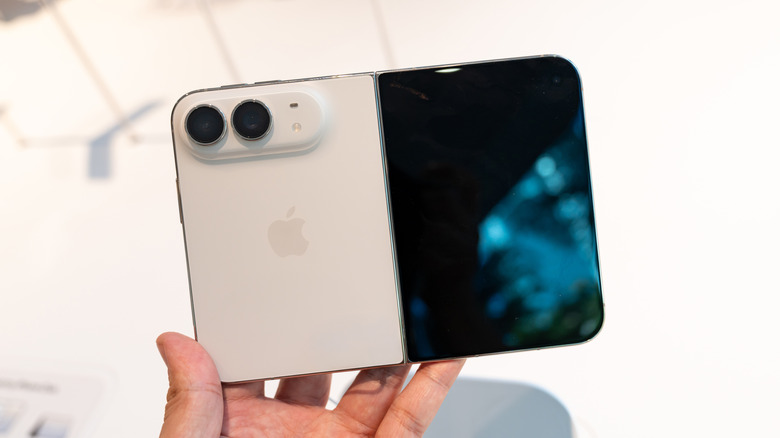
The numbers make the trade-off concrete. The iPhone 18 Pro with 256GB starts at $1,199, while the 2TB version runs roughly double. The iPhone Duo is even starker: $1,999 for the 256GB model and $3,199 for 2TB — a $1,200 premium for the extra capacity alone.
That gap explains why the 2TB option exists as a niche product rather than a mainstream default. Most phone owners stream their music and movies, let photos sync to the cloud, and use messaging and social apps that take up far less room than they did a decade ago. For that routine, 128GB or 256GB is usually enough, with a little headroom for a downloaded episode before a flight.
Who Can Justify the Upgrade

There are real workloads where 2TB stops being indulgent and starts being practical. The clearest example is high-end video capture.
ProRes RAW and Professional Video
Apple’s own figures show that a single minute of full-sensor ProRes RAW at 30 frames per second can exceed 10GB, and ProRes RAW HQ can pass 15GB. A ten-minute take can therefore approach or blow past 100GB. Once multiple takes enter the , anything below 1TB becomes impractical for serious video work.
RAW Photography
Photographers who shoot RAW instead of compressed JPEG face a similar math problem. RAW files can be up to ten times larger, and keeping a working library of originals on the device adds up quickly.
Mobile Editing and Travel Media
Vloggers, documentary shooters, and short-film editors need elbow room to cut footage directly on the phone without constant file shuffling. Travelers who download movies and shows before a trip can also fill a device fast — a single film runs about 3GB to 4GB, and a few movies plus several seasons of a series accumulate rapidly, especially when Wi-Fi is unreliable.
Gamers
Games are another storage hog. Individual titles can range from 20GB to 40GB, so even a modest library can consume a large share of a 256GB phone. Power users and gamers who want every app and game installed are better served by 512GB, while professional creators should target 1TB or 2TB.
The Cloud Doesn't Solve Everything
Cloud storage looks like an escape hatch, but it has hard limits. ProRes video cannot record directly to iCloud or similar services in real time; footage must be captured locally first and uploaded or transferred afterward. In remote locations or areas with poor connectivity, offloading to the cloud to free up space simply isn’t an option.
Android Buyers Have Fewer Choices
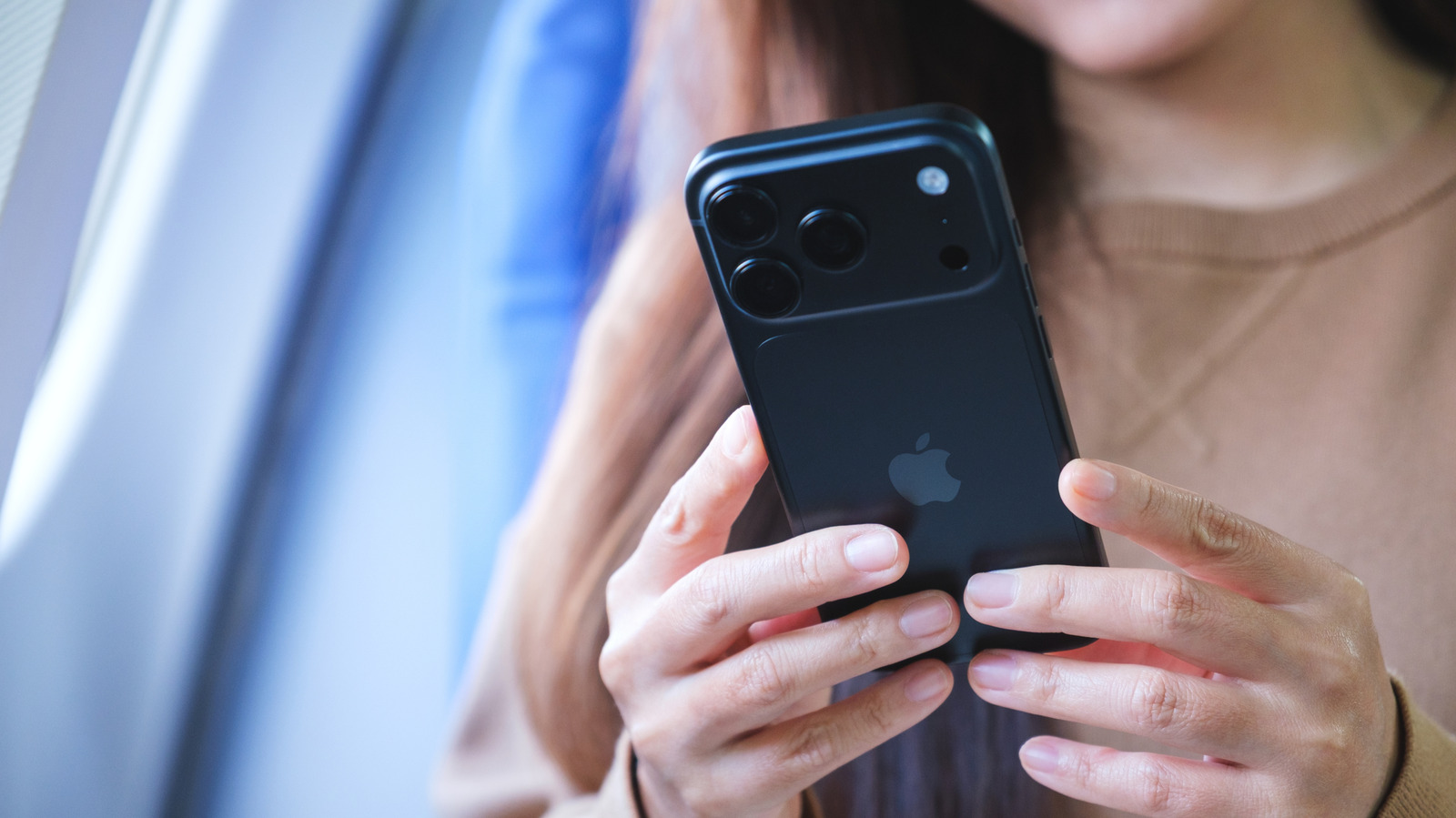
The 2TB conversation is largely an iPhone one, since Android smartphones with 2TB of built-in storage aren’t available. Some Samsung and Sony phones support microSD cards up to 2TB, but most apps can’t be moved to the card, so expansion only makes sense if you change the default storage folder.
A Simple Buying Rule
- 128GB or 256GB: Daily photos, apps, music, occasional streaming, and a couple of games.
- 512GB: Power users and gamers who want a full library installed.
- 1TB or 2TB: Pro creators shooting ProRes RAW, RAW photography, or long-form video who want to avoid external drives.
The 2TB phone isn’t pointless — it’s just aimed at a narrow group whose files are measured in gigabytes per minute. Everyone else can keep the $1,200 and spend it on something they’ll actually use.