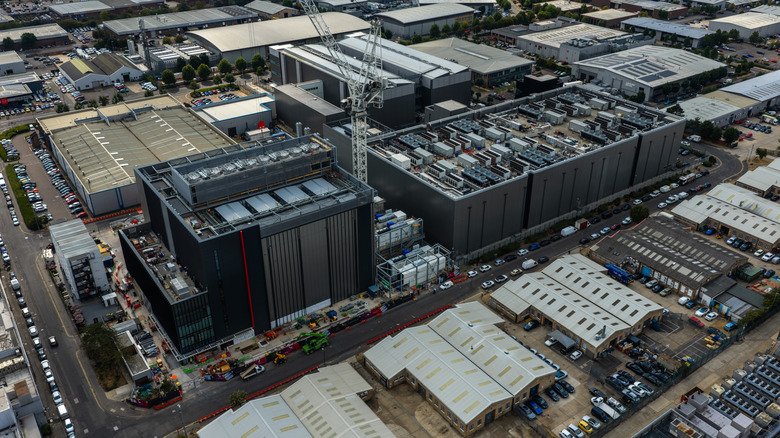
The United Kingdom intends to press ahead with AI data center construction, treating such projects as essential infrastructure, according to the country’s growth minister. Dan Tomlinson told the Financial Times that the buildout will continue as AI becomes more embedded in the UK economy, but he also set conditions: projects seeking government backing must invest in local communities and generate jobs.
A Different Path From the US
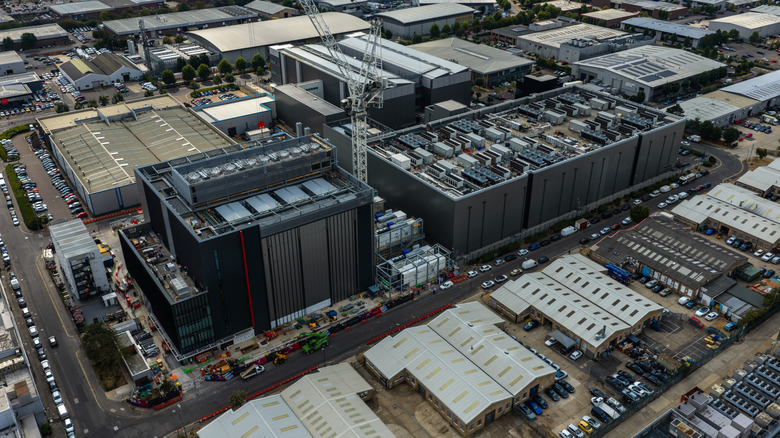
Tomlinson said the UK has drawn lessons from what he described as a free-for-all in parts of the United States, where data center growth has sparked debate. He indicated that the UK would take a more measured approach, with stronger oversight rather than a construction rush.
The minister’s comments position the UK as eager to capture the economic upside of AI infrastructure while attempting to avoid the friction that has accompanied rapid development elsewhere. His remarks suggest that community benefits and employment will be central to how the government evaluates support for individual projects.
Capacity Target and Planning Changes
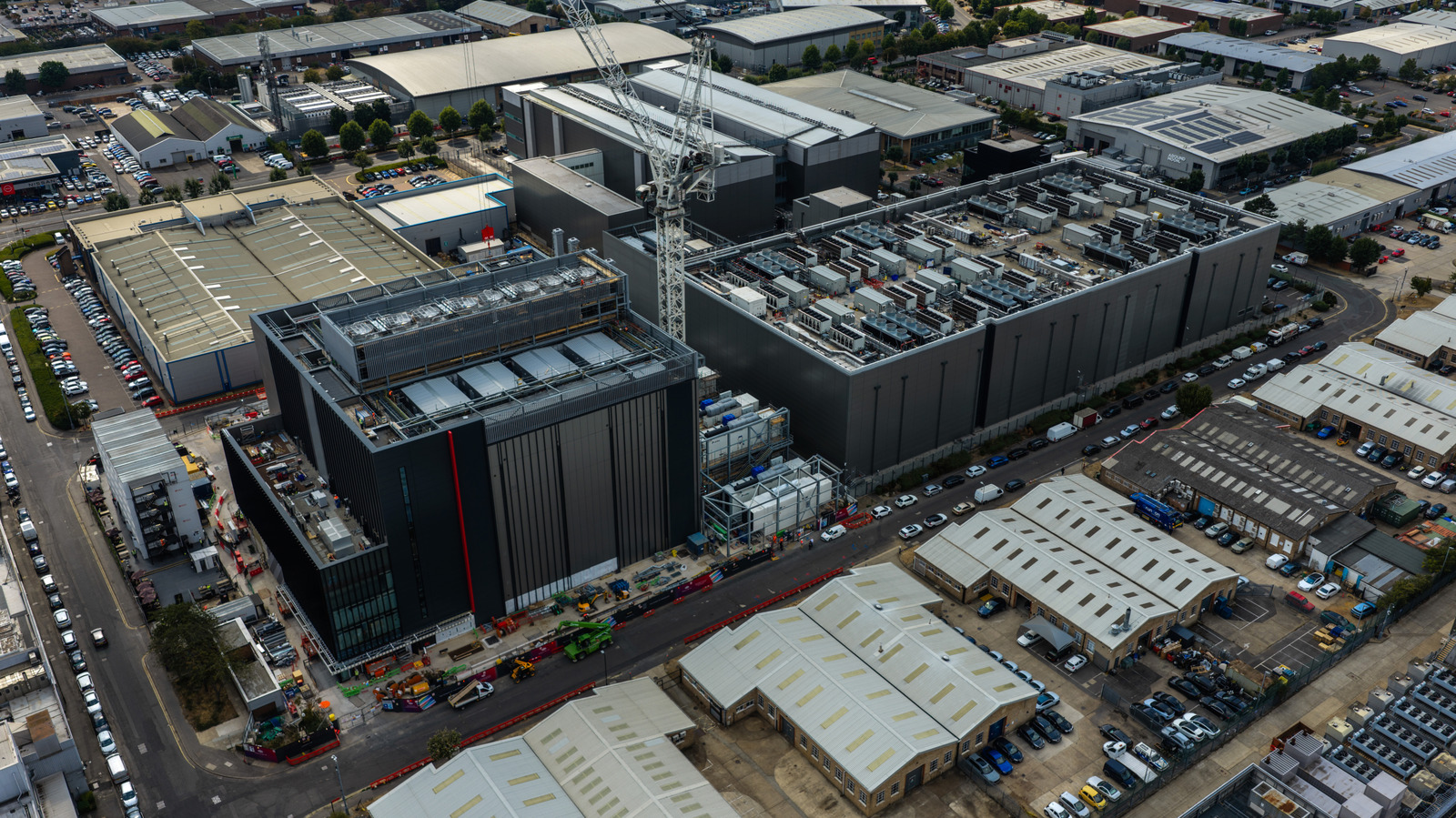
The policy context includes the UK Compute Roadmap, a document outlining how the country can satisfy AI’s rising power needs. According to that roadmap, the UK must reach at least 6GW of computing capacity from data centers by 2030.
To help meet that goal, the UK previously made it easier for data centers to secure approvals through the AI Growth Zones initiative, introduced by former prime minister Keir Starmer in 2025. The initiative was designed to streamline planning for facilities seen as strategically important.
Local Resistance
Even with policy support, data center proposals have met resistance. UK residents have staged protests at sites where construction is planned, signaling that local acceptance is not guaranteed. The government’s insistence on community investment and job creation appears aimed at addressing some of those concerns.
The debate in the UK mirrors a broader transatlantic conversation. In the US, a majority of voters supported restricting the rapid pace of data center construction in local ballot results, indicating that public sentiment can shift quickly when large facilities arrive.
What Comes Next
For now, the UK government’s message is that AI data center construction will proceed, but not without expectations. Projects that want state support will need to demonstrate local value. How those conditions are applied in practice—and whether they satisfy both industry and residents—will shape the pace of the buildout through the rest of the decade.