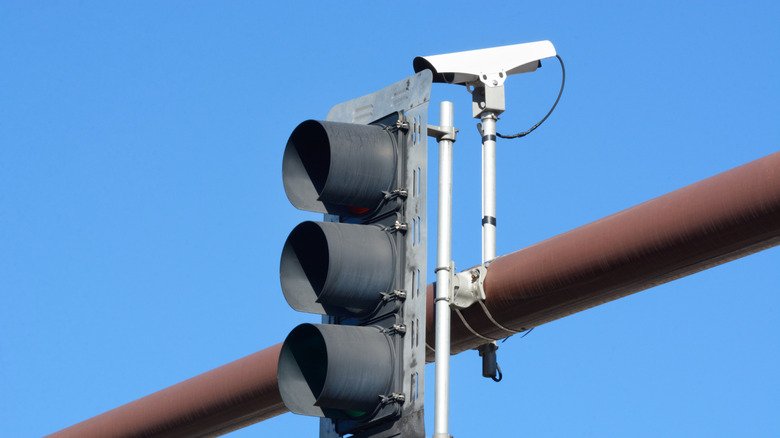
Drivers who have grown uneasy about automatic license plate readers may glance at the white cameras above traffic lights and assume the worst. But most of those units are not built to track individual vehicles. They are traffic monitoring cameras, and their job is to keep traffic moving.
Different cameras, different jobs
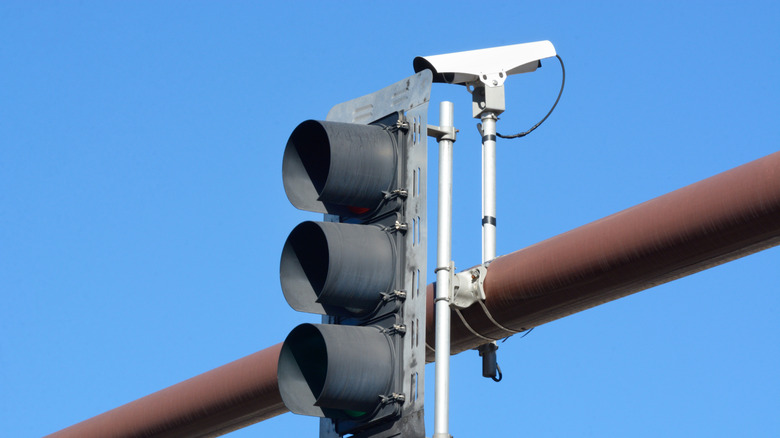
Automatic license plate readers, including those made by Flock and other companies, have drawn attention because of reported abuses. That scrutiny has made intersection cameras seem more conspicuous, but not every camera mounted over a roadway serves the same function. Red-light cameras are another controversial category: they are banned in many states and remain rare even where they are permitted. The far more common cameras are the ones used to observe traffic conditions in real time or to help control traffic signals.
What traffic monitoring cameras actually do
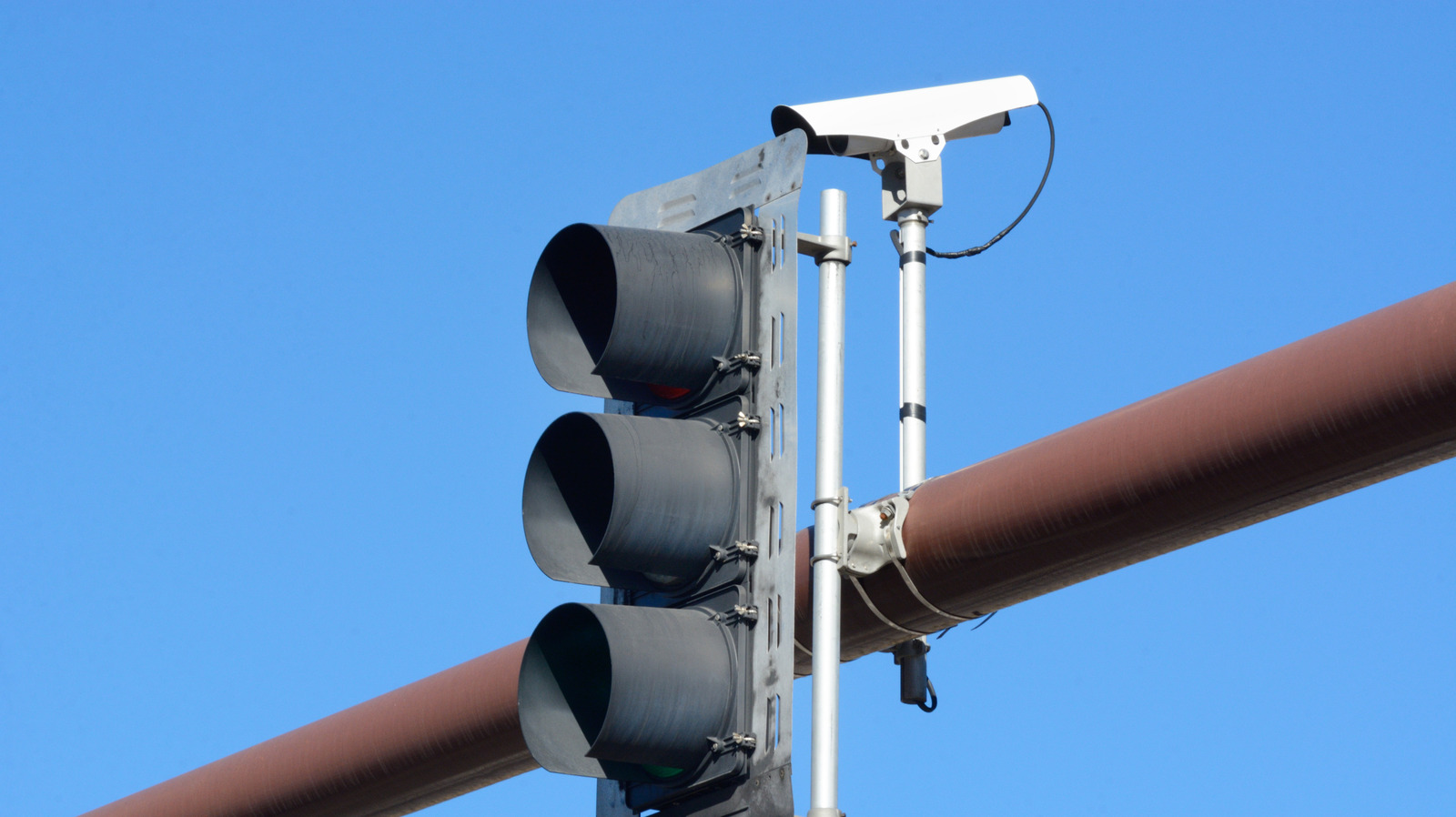
Traffic cameras are distinct from equipment meant to catch speeding or red-light running. They are not designed to gather evidence for law enforcement. Instead, they are typically watched live so transportation departments can see the current state of traffic and watch for accidents. That real-time information can help local agencies keep vehicles moving, sometimes by overriding automatic light timings, or by alerting first responders when something goes wrong. The same systems can also record traffic patterns over time, giving traffic engineers data they need to decide when roadways or signals should be changed to ease congestion.
How cameras can trigger a green light
In many cases, the cameras mounted on traffic lights are connected to automatic signaling systems rather than providing a live video feed for someone to watch. These cameras send data to control systems that decide when lights should cycle. Engineers can mark a specific section of the camera’s video frame as the area to monitor for vehicles. When a car enters that zone, it triggers the light to change according to a timing sequence that has been pre-programmed for that particular roadway. Video cameras are not the only tool in these systems. Radar, infrared cameras and electromagnetic detectors embedded in the road are also used to detect whether vehicles are present.
Location shapes the rules
The exact purpose of cameras on roadways varies widely from place to place. Local laws determine which types of cameras may be installed at all, and how they are used depends on what a given intersection needs. The concern over Flock cameras and other license plate readers is well founded, but it does not apply to every lens you see. When a camera is mounted above a traffic light, the odds are good that its role is simply to keep traffic flowing.