
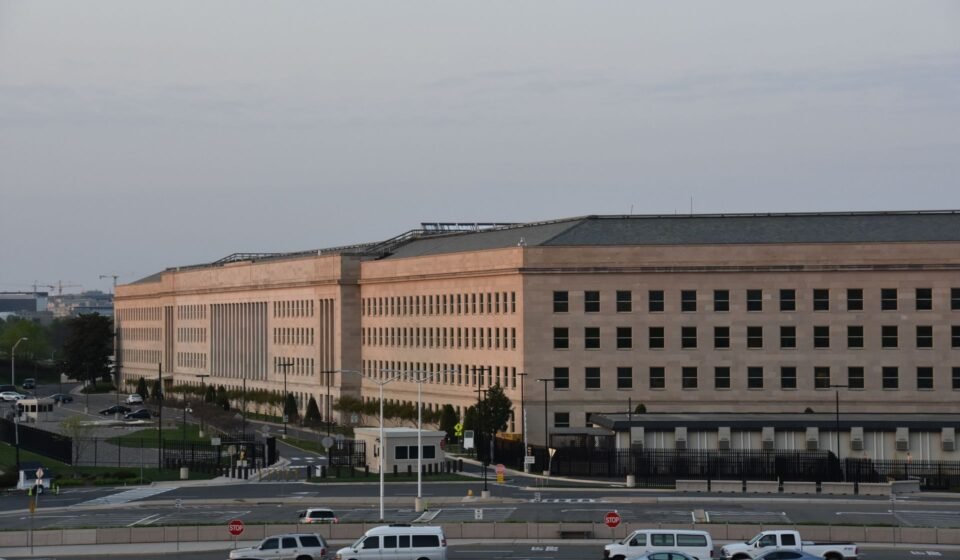

The Pentagon has quietly established a new covert office designed to expand sabotage operations against foreign technology programs. Known as the Pentagon Technology Support Office, or TSO, the entity was created in April by merging two classified programs that had been active since 2023. The office is intended to broaden efforts to disrupt foreign tech development globally, according to current and former U.S. national security officials.
Origins and Leadership
The TSO was conceived by Deputy Defense Secretary Steve Feinberg, who previously headed the White House Intelligence Advisory Board under President Trump. Tom Rakusan, a senior advisor to Feinberg with a background in the CIA’s clandestine service, is also a key figure behind the initiative.
The office was formed by combining two classified programs that had operated separately since 2023. Both were covert sabotage efforts targeting foreign technology. By merging them, the Pentagon aims to expand the scope of such activities worldwide.
How the TSO Operates
Unlike traditional operational units, the TSO does not directly launch sabotage missions. Instead, it serves as a pipeline and tool repository. It procures equipment and capabilities for engineers, special operators, and intelligence officers, and connects other Pentagon programs by pooling approved cyber sabotage tools.
The targets of these efforts include artificial intelligence misuse, drones, and robotics. Tactics range from cyberattacks and supply chain disruption to disinformation campaigns. The office’s classified status means it appears in only a handful of Pentagon records, limiting public and congressional visibility.
Oversight Concerns
The classified nature of the TSO has raised questions about oversight and approval structures. A former senior Pentagon intelligence official supported refocusing on such activities, but another former senior Pentagon official questioned the approval structures and oversight mechanisms. A current national security officer noted that the classified space allows for hiding or misdirection.
Critics worry that the covert status creates a tradeoff between secrecy and accountability, and that the office’s operations may not be consistently aligned with U.S. values or could lead to future problems. Congressional oversight is limited by the classification, increasing secrecy around the office’s activities.
Pentagon Denial
Pentagon Press Secretary Jacob Bliss denied the reporting by Politico, which first disclosed the TSO’s existence based on interviews with current and former officials. Bliss said the query was built on untrue information. The Pentagon has not provided further details about the office.
Historical Parallels
The concerns echo past episodes of U.S. intelligence overreach, including the Black Chamber, Project SHAMROCK, and COINTELPRO. More recent surveillance controversies involving the PATRIOT Act and CALEA have also raised similar questions about the balance between security and civil liberties. The TSO is part of a broader U.S. effort to counter foreign technology threats, but its covert nature and limited documentation invite scrutiny.



[…] Pentagon’s Quiet New Office Aims to Scale Up Sabotage of Foreign Tech […]