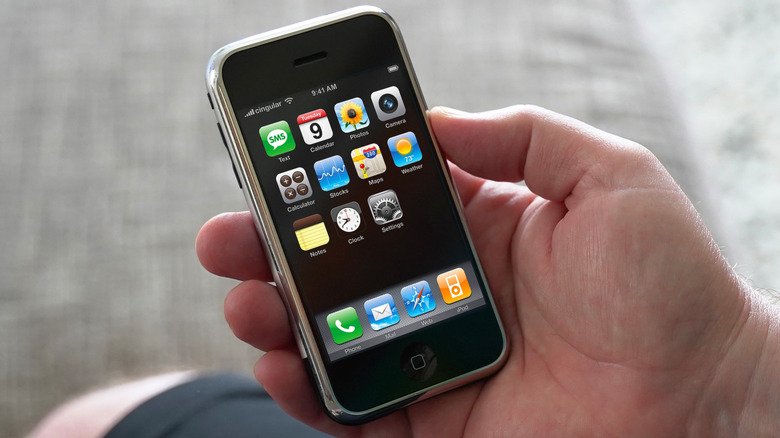
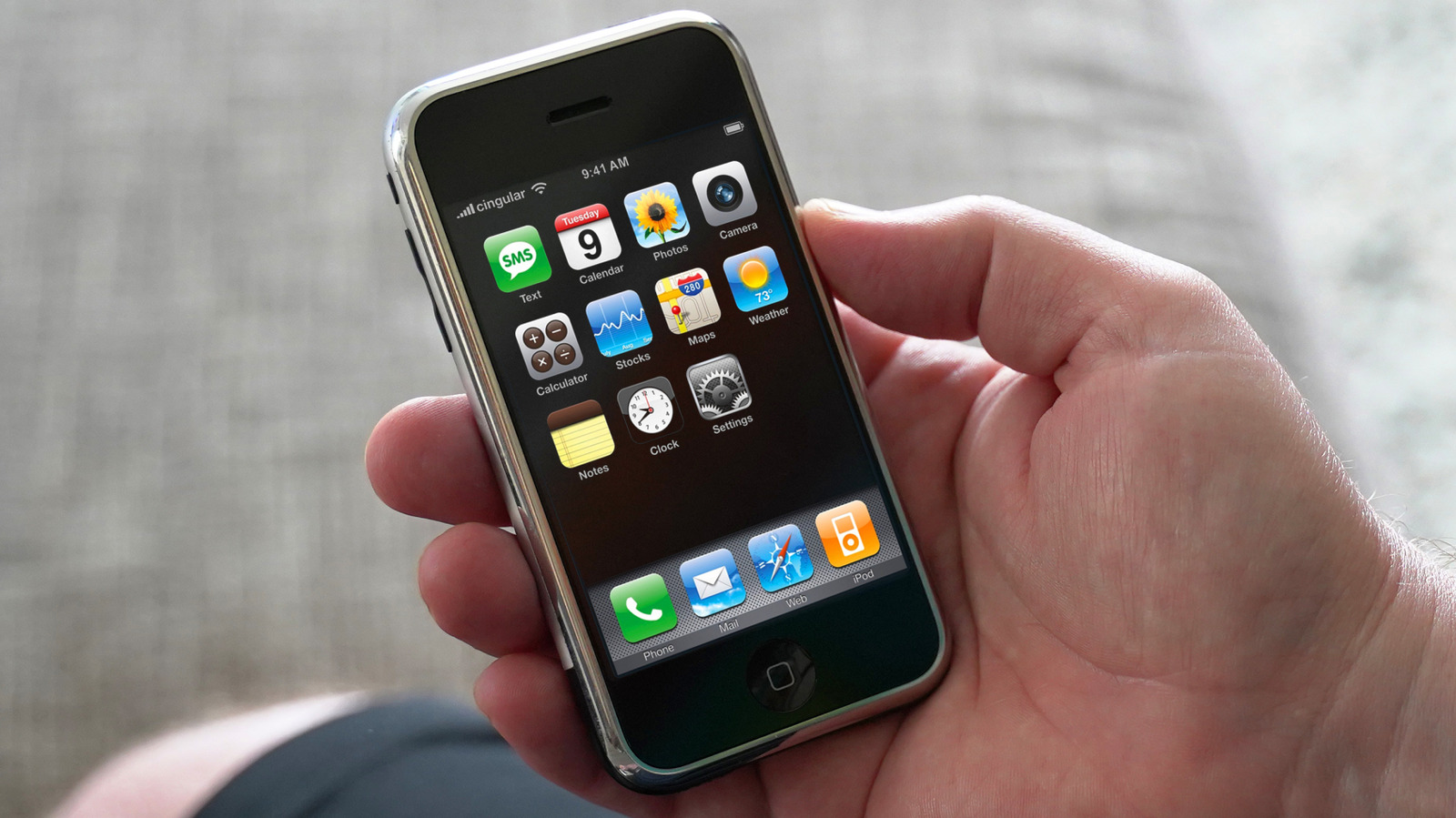
Every fall, the same complaint resurfaces: iPhones have never been more expensive. But the iPhone price then vs now comparison only looks dramatic until inflation and carrier subsidies enter the . The original 2007 iPhone started at $499 for a 4GB model. Today, the closest equivalent—the 2025 iPhone 17—starts at $899. That $400 gap feels enormous, yet it shrinks considerably once you adjust for the changing value of the dollar.
Inflation erases much of the gap
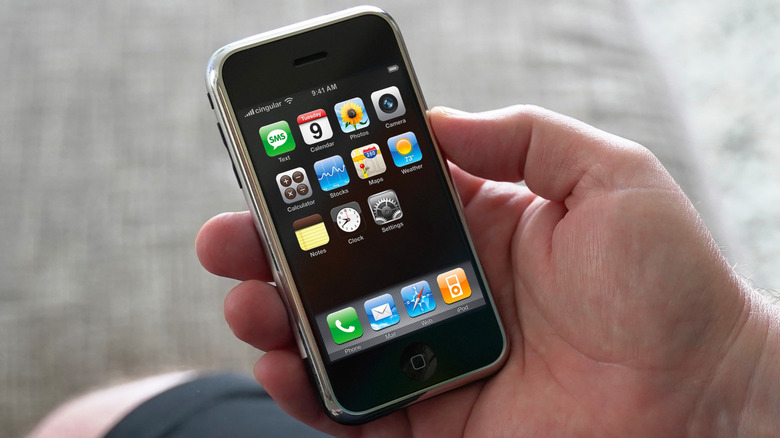
When the 2007 iPhone’s $499 price is converted to 2026 dollars, it exceeds $800. The iPhone 17 at $899 is therefore only slightly more expensive in real terms, not the budget-buster the raw numbers suggest. Apple’s base models have also shown unusual restraint. The company held entry-level iPhones at $799 for years until memory prices forced a change.
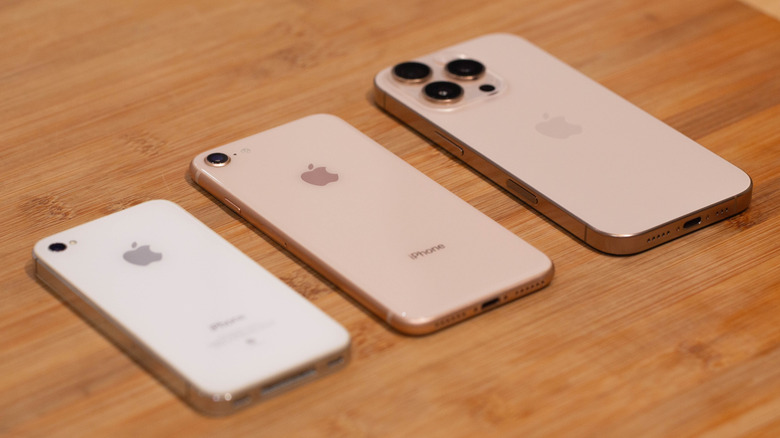
The comparison gets even closer with the iPhone 4. Released in 2010 at $599 unlocked, that device would cost roughly $920 today—slightly more than the $899 iPhone 17. In other words, the modern phone is not an outlier; it is part of a long, fairly stable pricing trend.
The hidden role of two-year contracts
Memory can play tricks. Many people recall paying just $199 for an iPhone 3G or 3GS and conclude that older models were far cheaper. That $199 price came with a two-year AT&T contract. The carrier subsidized the upfront cost, then recouped the money through monthly service fees. Those plans were not cheap either—at least $60 per month in unadjusted dollars for unlimited 2G data. Today, a similar monthly outlay can buy unlimited 5G, and most buyers purchase unlocked devices unless they specifically seek a carrier deal.
Carriers were willing to absorb part of the hardware cost because they expected to profit over the life of the contract. The lower sticker price was real, but it was not the whole story.
More hardware, more capability
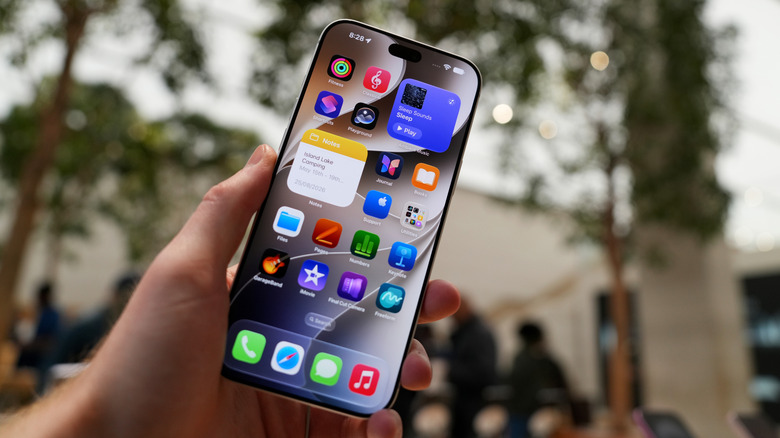
Price is only one side of the ledger. The 2007 iPhone lacked a front-facing camera, NFC for Apple Pay, GPS, AirDrop, and Find My. It also had no framework for third-party apps until 2008. Modern iPhones can pull location data from satellites and send emergency messages when cellular and Wi-Fi service are unavailable.
For many owners, a smartphone has become the only portable device they need. It can stand in for a camera, flashlight, radio, navigation system, gaming handheld, and portable TV. It can even handle serious productivity tasks like writing and spreadsheets. That expanded utility makes direct price comparisons across 19 years more complicated than a single number suggests.
Where the affordability argument still holds
None of this means today’s prices are painless. At $899, the iPhone 17 remains out of reach for plenty of people. The iPhone Duo starts at $1,999 and climbs to $3,199 with maximum storage, while the iPhone Air costs $1,100 despite having one rear camera and weaker battery life than the iPhone 17. A $1,999 model can feel like a provocation when a decent laptop costs the same or less.
Yet the broader arc is one of consistency rather than runaway inflation. The iPhone price then vs now is not a story of doubling costs. It is a story of inflation, carrier subsidies, and vastly more capable hardware converging to produce a gap smaller than the raw numbers imply.