The TP-Link Archer 8 Ultra has landed as the first consumer router built for Wi-Fi 8, a standard whose final specifications aren’t expected until 2028. Priced at £699 for pre-orders (rising to £899.99 after launch), it’s a statement piece aimed at early adopters and large-scale users rather than the average household. With tri-band support and a top speed of 19Gbps, it’s also a showcase for what the next generation of wireless technology will prioritise: range and reliability over raw throughput.
A future standard, available now
Wi-Fi 8 isn’t officially finalised, but key features are already known, allowing TP-Link to bring the Archer 8 Ultra to market on November 15, 2026. The router operates on the same 2.4GHz, 5.0GHz and 6.0GHz bands as Wi-Fi 7, ensuring backward compatibility with existing devices. TP-Link also plans to expand its Wi-Fi 8 lineup with mesh routers and range extenders in 2027.
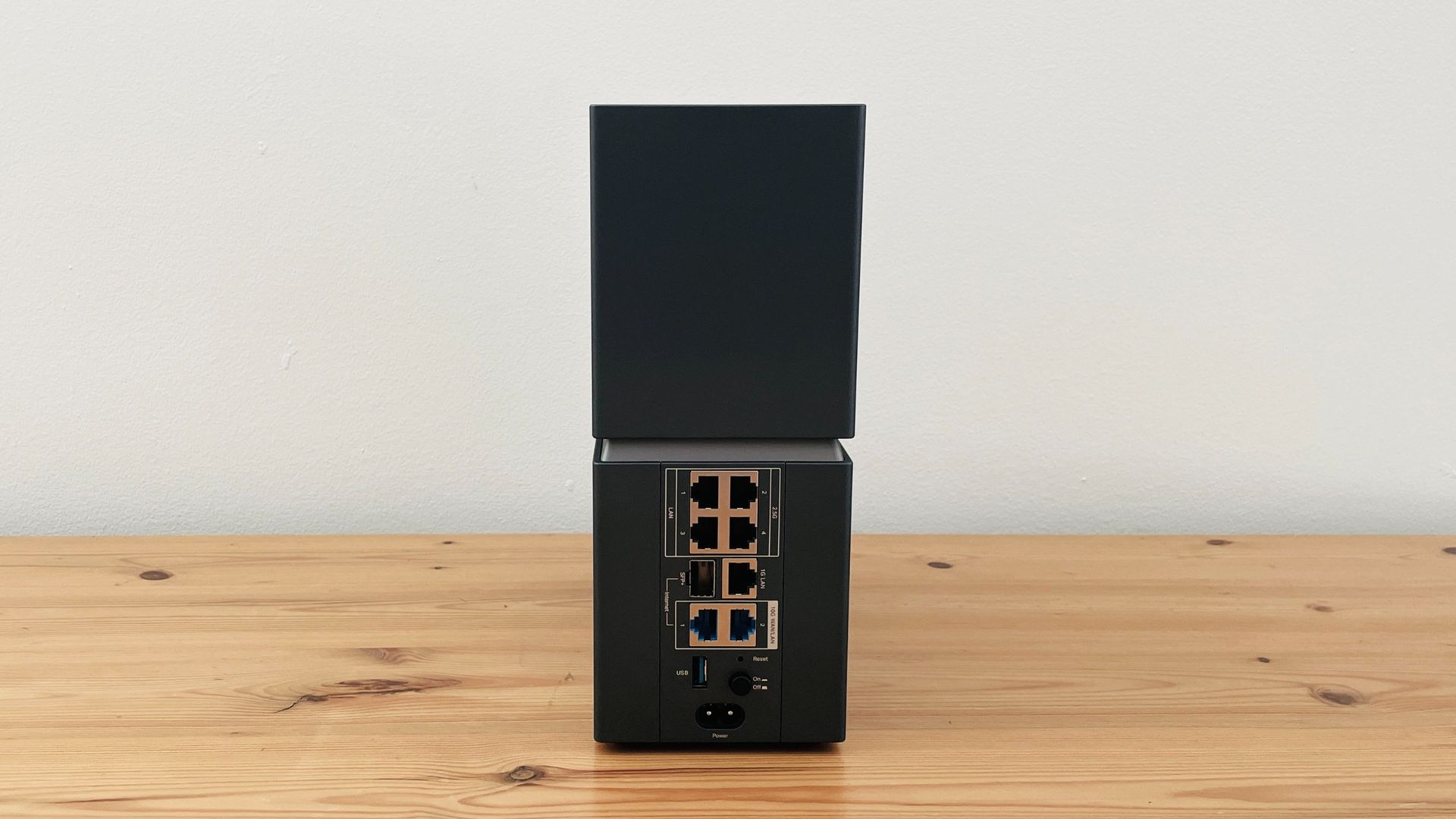
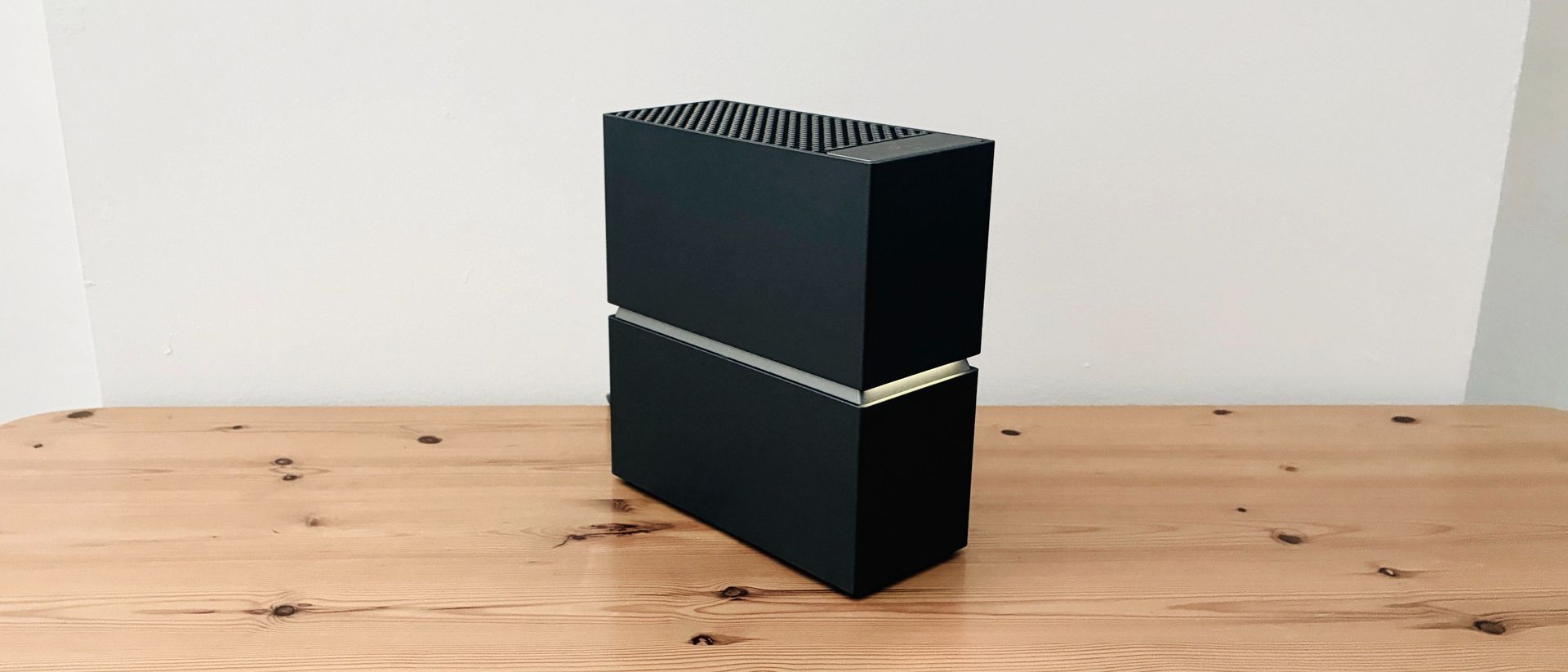
At £699 (around $950) for pre-orders and £899.99 (around $1,199) afterward, the Archer 8 Ultra costs roughly twice as much as a high-end Wi-Fi 7 model. US pricing hasn’t been confirmed. For that outlay, you get a router that’s built like a tank: a matte-black obelisk measuring 245 x 98 x 226mm and housing 18 internal antennae.
Ports and design: heavyweight hardware
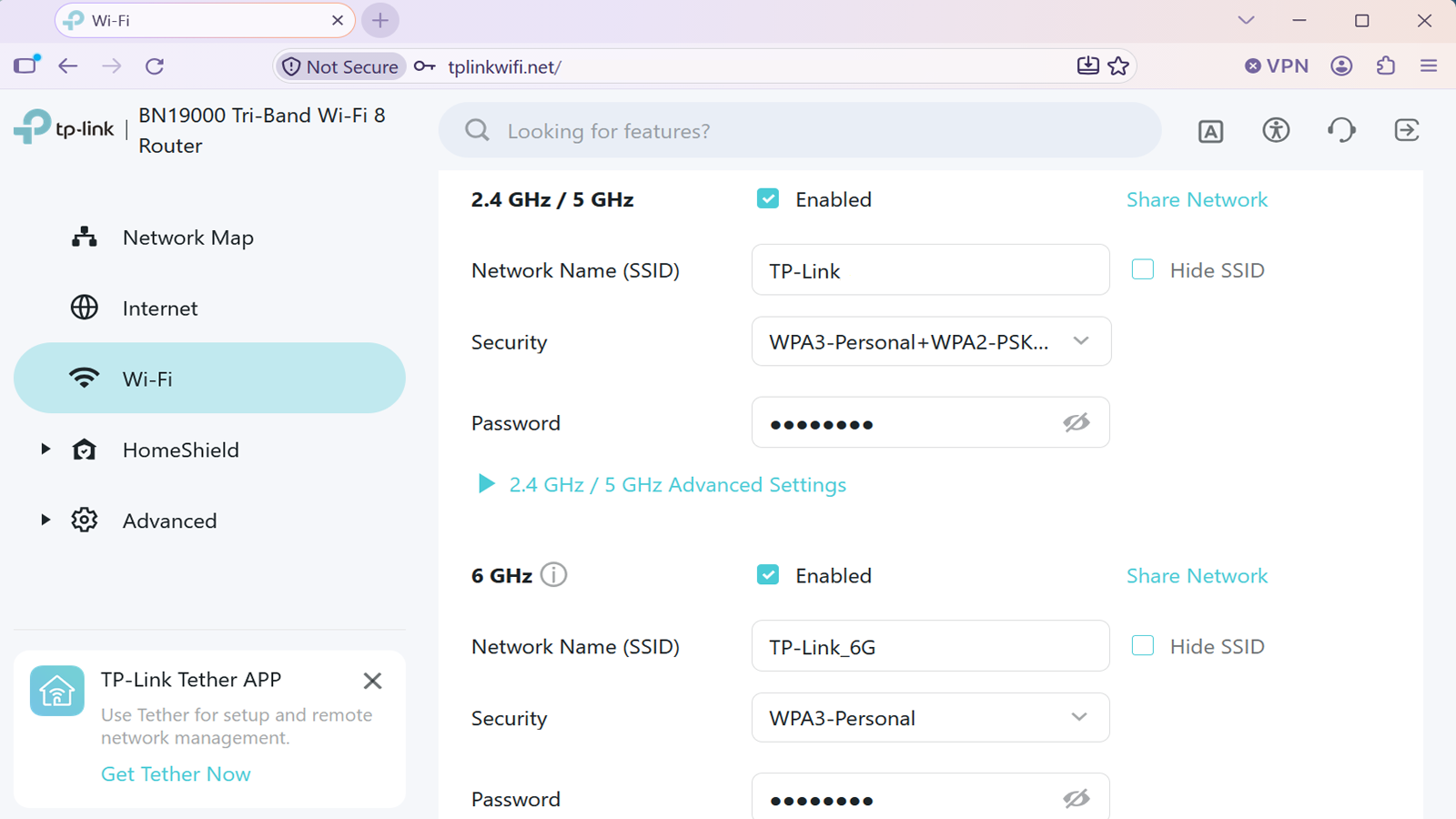
Connectivity is generous. There are two 10Gbps ports that can serve as WAN or LAN, four 2.5Gbps LAN ports, and a single 1Gbps LAN port. TP-Link’s Tether app simplifies setup via QR code and creates two default networks: one dedicated to the high-speed 6GHz band and another combining 2.4GHz and 5GHz for older devices. Advanced users can access a browser interface for deeper control.
The design earned top marks for build quality and port selection, though its size may be imposing for smaller spaces.
Wi-Fi 8: more than just speed
Despite the headline 19Gbps figure, Wi-Fi 8’s real focus is on extending range and improving reliability in crowded or large environments. TP-Link highlights technologies like MAPC (multi-access point co-ordination), ELR (enhanced long range) and DRU (distributed resource units) to achieve this. The Archer 8 Ultra can cover up to 3,600 square feet (or 3,000 in some regions due to local regulations) and support up to 200 connected devices. A Multi-Floor Mode automatically optimises the network for multi-level homes and offices.
For most homes, this is overkill. But for businesses, public venues or large properties, the improved range and reliability could be transformative.
Performance: future-proof, even with Wi-Fi 7 devices
With no Wi-Fi 8 client devices yet available, testing was conducted using a Wi-Fi 7 laptop. The Archer 8 Ultra delivered full speed (150Mbps) on both its 6GHz and combined 2.4/5GHz networks, even in a back-office dead spot that typically struggles. The 6GHz band, usually shorter-range, maintained full speed thanks to Wi-Fi 8’s enhancements. In everyday use, the router handled Ookla SpeedTest and Steam downloads without a hitch.
It’s a promising glimpse of what Wi-Fi 8 will offer once compatible devices arrive.
Should you buy it?
The Archer 8 Ultra is not for everyone. It’s expensive, and its benefits won’t be fully realised until Wi-Fi 8 devices become common. But for early adopters, large homes, or business users needing robust coverage for hundreds of devices, it’s a compelling piece of future tech. If you’re on a budget or have a modest home, a Wi-Fi 7 router like the D-Link Aquila Pro AI R95 or Netgear Orbi 373 will serve you well for less.
Verdict: A powerful, future-ready router that’s currently overkill for most, but a fascinating look at the next era of Wi-Fi.