
Starlink Ukraine restrictions — Ukraine’s military reported a stable Starlink connection on Saturday after the lifting of speed restrictions that had capped terminals at 160 km/h (99 mph) for 10 days, according to the factual brief. The restoration came hours before Elon Musk, the SpaceX CEO, publicly accused Ukraine’s military of violating Starlink’s terms of service and claimed Kyiv had used the system for offensive drone strikes.
How the speed cap hit the battlefield
The restrictions, imposed earlier in October, were sudden and applied only to Ukrainian terminals, not to Starshield terminals in EU countries. Their impact was immediate. Several Ukrainian combat missions failed, the military’s ability to intercept Russian drones was hampered, and some strikes behind enemy lines were cancelled. During the same period, Russia launched ballistic missiles without US advance warning, a fact that underscored the operational risks of the degraded connection.
Starlink terminals are produced by SpaceX but managed by the US government. Starshield, a separate system, uses Starlink technology but is owned and controlled by the US government, according to Musk. That distinction became central to the dispute over who ordered the speed limits and why they were applied only to Ukraine.
A blame dispute with no clear owner
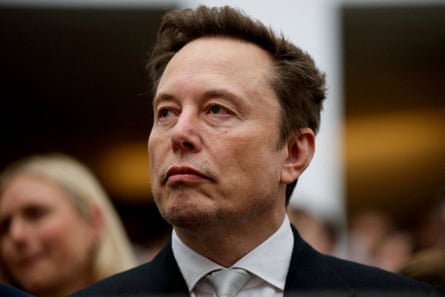
Initially, neither Musk nor the US government took responsibility for the curbs. Musk blamed the Trump administration for the limits, while Secretary of State Marco Rubio defended President Donald Trump, saying he had nothing to do with Starlink or Starshield decisions because SpaceX is a private company. Vice-President JD Vance backed Musk, saying the SpaceX chief did not want to be caught in the middle without US government direction. Musk later said Starshield is owned and controlled by the US government and that speed and usage limits are decided by the US military and the president.
Ukrainian President Volodymyr Zelenskyy blamed both the US government and SpaceX. He said the US government sent a message to limit speeds and SpaceX carried it out technically, describing the decision as a planned operation. He warned that the restrictions would cause human losses. Trump, for his part, initially denied involvement in cutting intelligence sharing and said he did not know who was behind the Starlink limits, adding that it was not him and not Musk. He said he had not spoken to Musk but might, and he called Musk very brilliant and very good.
Restoration announced, then a new accusation
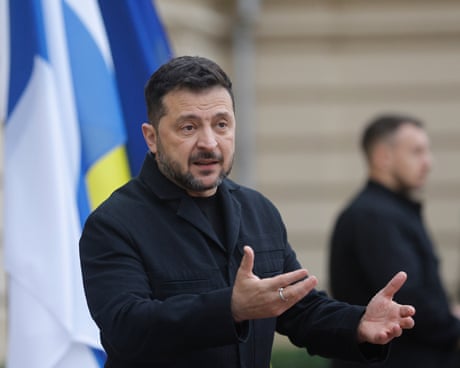
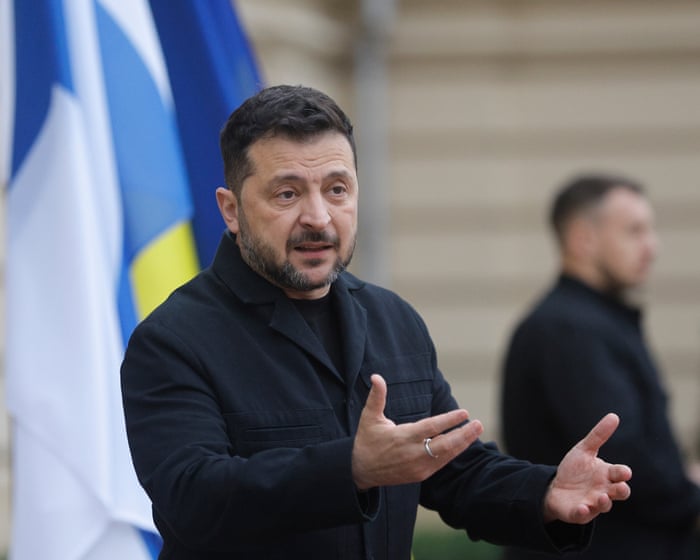
Zelenskyy announced the restoration in his video address on Saturday. He said speeds began to recover overnight and were sufficient by morning, matching pre-restriction levels for both Starlink and Starshield. He thanked US allies, including Trump and the State Department, for resolving the issue. The Ukrainian military reported a stable connection afterward.
Musk’s accusation came hours later. He claimed Ukraine had violated Starlink terms by using the service for offensive drone strikes and said the loophole had been closed last week. Serhiy Beskrestnov, a Ukrainian presidential adviser, rejected the claim, saying Ukraine cannot physically use Starlink for long- or medium-range attack drones. The general staff and defence ministry had no immediate comment.
The episode left key questions unresolved: who exactly ordered the restrictions, whether they were linked to Trump’s announcement of a US deal to buy Russian diesel, and whether Musk’s accusation will lead to further limits. What is clear is that the speed cap lasted 10 days, ended with Zelenskyy’s Saturday announcement, and was followed by a public dispute that neither Washington nor SpaceX has fully settled.