The UK government has launched a public consultation on shared e-bike regulation, aiming to bring order to a sector that has grown rapidly without consistent national rules. The proposals, led by Transport Secretary Heidi Alexander, include a licensing regime for hire companies and a range of measures to address parking chaos, anti-social riding, and fleet management.
Why Regulation Is Being Considered
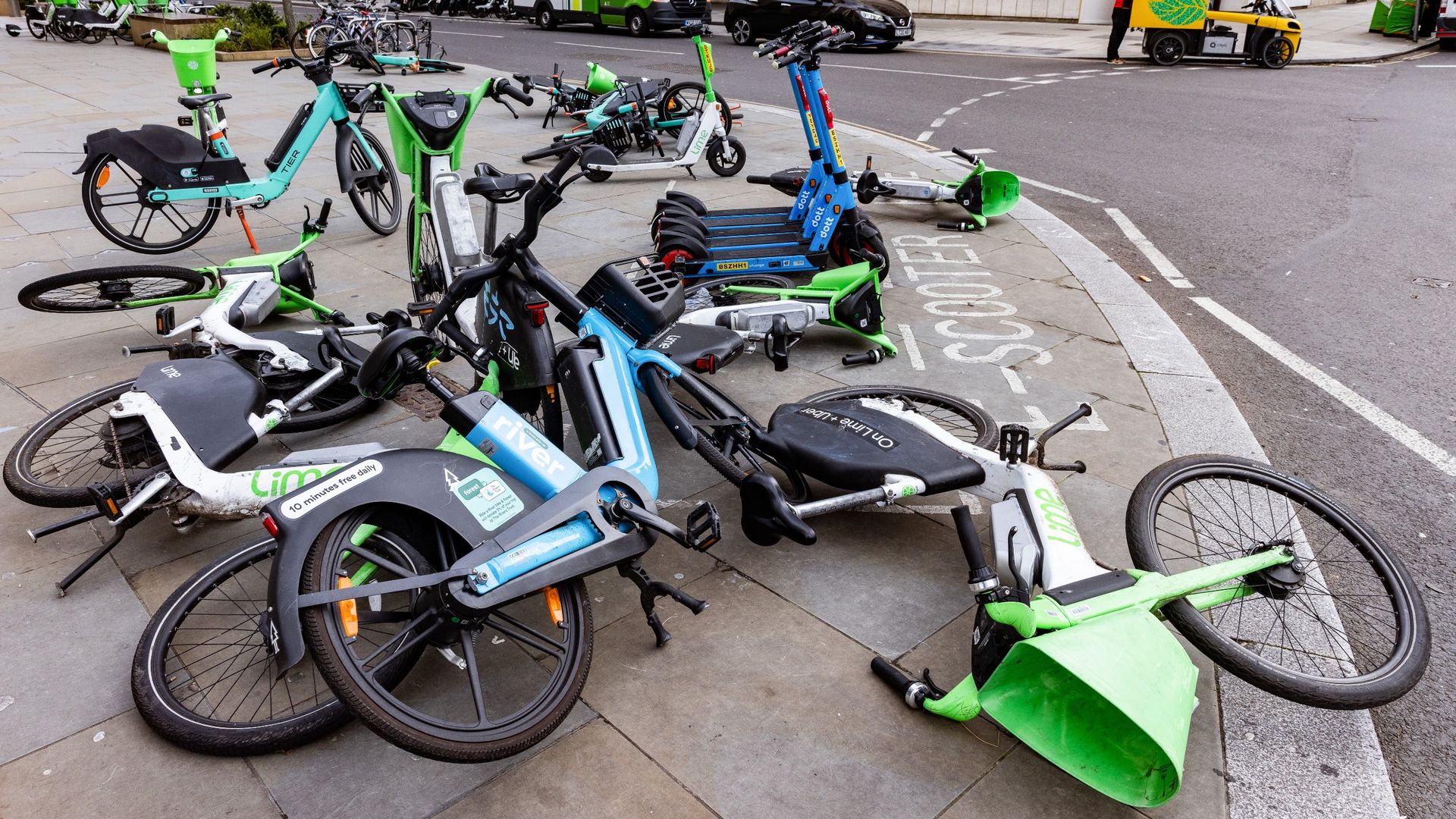
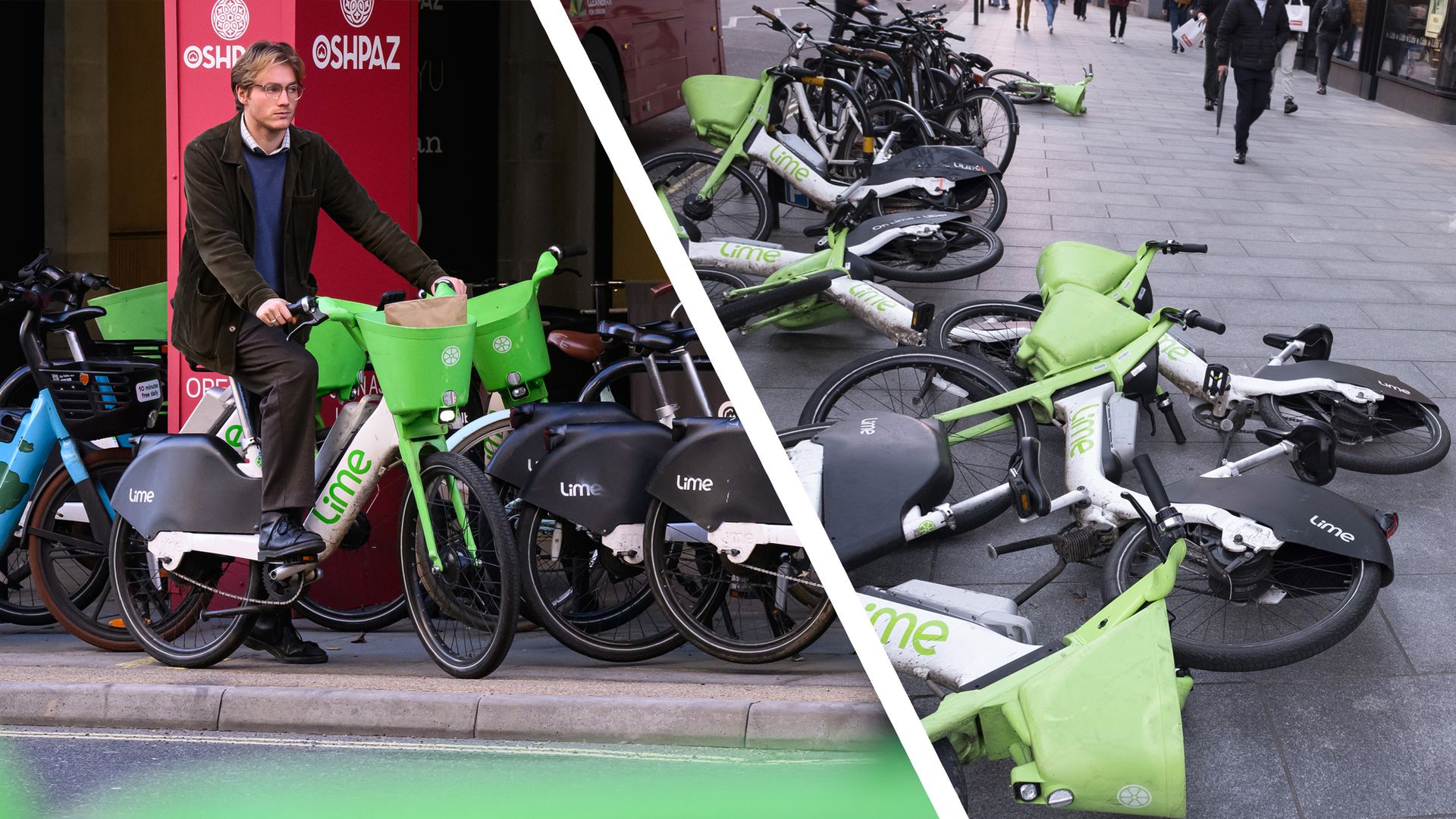
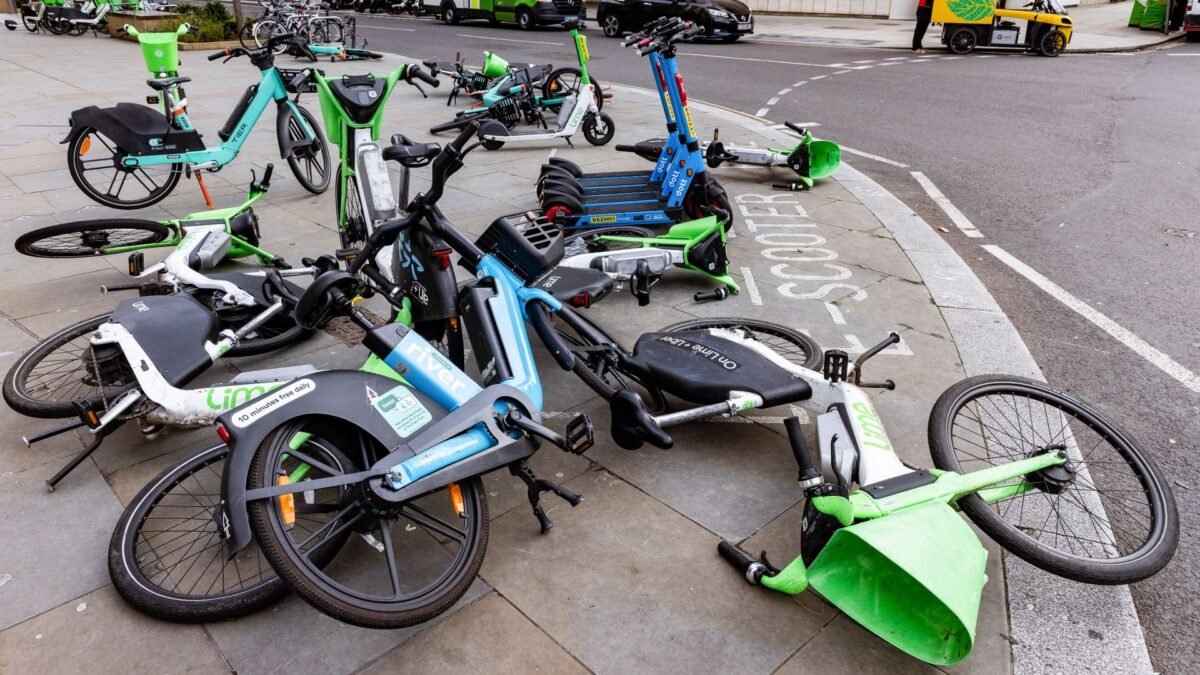
Shared e-bikes offer a cheap, convenient, and low-emission way to travel, with an estimated 350,000 trips every day in London alone. But the absence of clear rules in most areas has led to problems: bikes left on pavements, insufficient designated parking, and riders behaving recklessly. Earlier this year, operator Lime apologised after one of its parked e-bikes forced a blind man and his guide dog into the road. Riders also face a confusing patchwork of rules across different London boroughs, making some journeys difficult to complete.
Councils currently have limited powers and little data on e-bike use, relying on voluntary agreements with operators. The government wants to formalise these arrangements and give local leaders more control.
What the Proposals Include
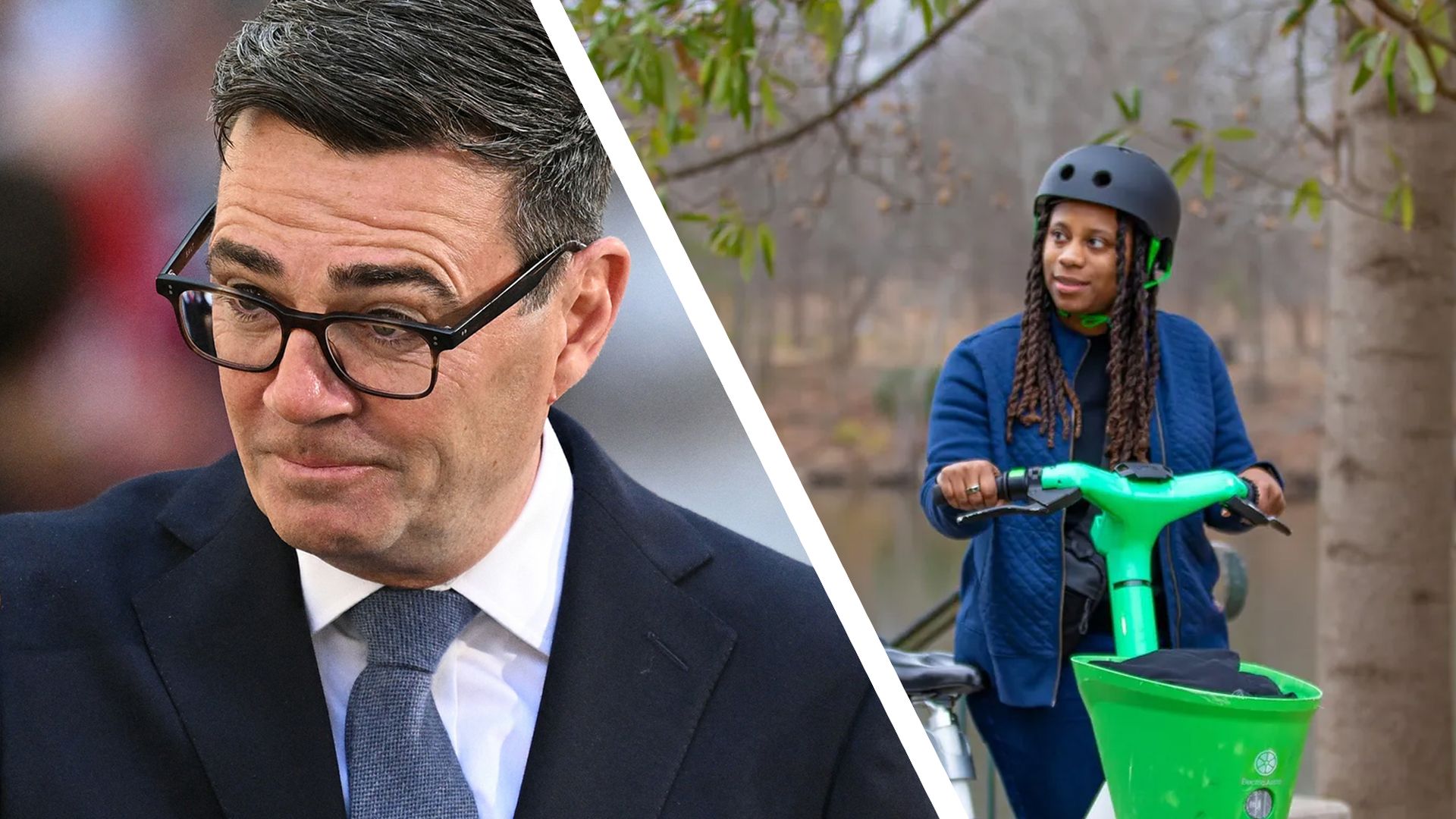
The consultation, open until the end of 2026, sets out several measures:
- Parking plans to ensure e-bikes do not inconvenience the public when not in use.
- Fleet management plans to reduce overcrowding, potentially including caps on the number of bikes in an area.
- Maintenance standards so that batteries and wheels are safe for riders and pedestrians.
- Insurance requirements for operators, so compensation can be paid if someone is hit by a shared cycle.
- More parking spaces and greater operator accountability for how bikes are used.
- Stronger enforcement powers for councils to punish breaches, such as unsafe parking or riding while intoxicated.
Operators may also receive funding help for infrastructure like parking bays.
Industry and Stakeholder Reactions
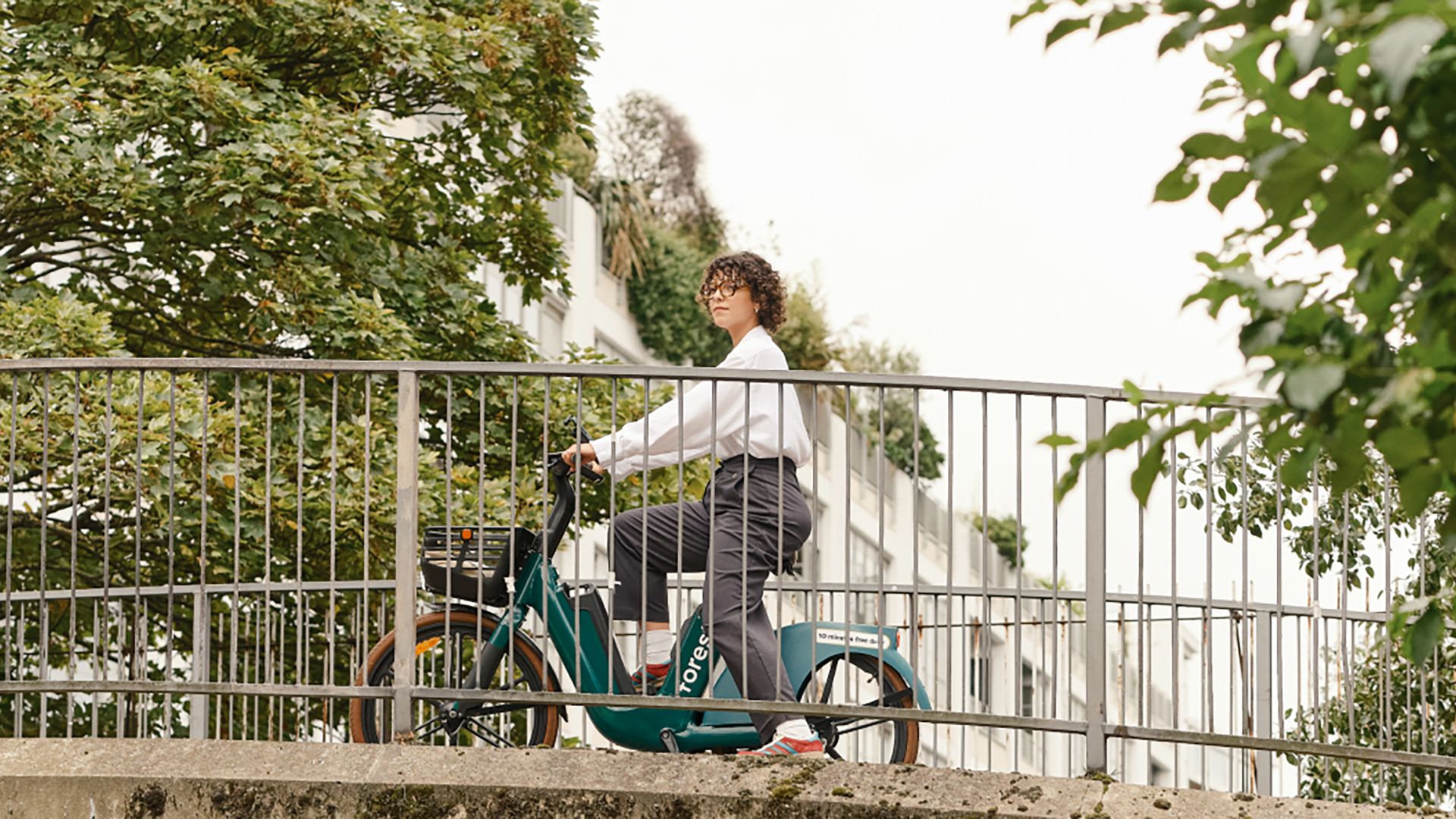
E-bike companies have largely welcomed the move, seeing national standards as a way to reduce confusion and attract investment. Bolt’s public policy manager, Georgia Heathman, said 98% of its rides already end with correctly parked bikes, and called for consistent rules across the country. Lime CEO Wayne Ting described the current approach as confusing for riders, councils, and operators, and called the consultation an important step. Forest CEO Agustin Guilisasti also backed national standards and a coherent, well-regulated system.
Richard Dilks, CEO of Collaborative Mobility UK (CoMoUK), said licensing could provide well-enforced parking spaces while protecting benefits such as active travel, improved air quality, and reduced congestion. Mike Wordingham of the Royal National Institute of Blind People warned that tackling rider behaviour will be difficult and stressed the need to avoid a patchwork of inconsistent regulations. Anthony Breach of Centre for Cities said a key test will be how much responsibility mayors have, noting that regulations have costs but the lack of regulation also affects other road users.
What Happens Next
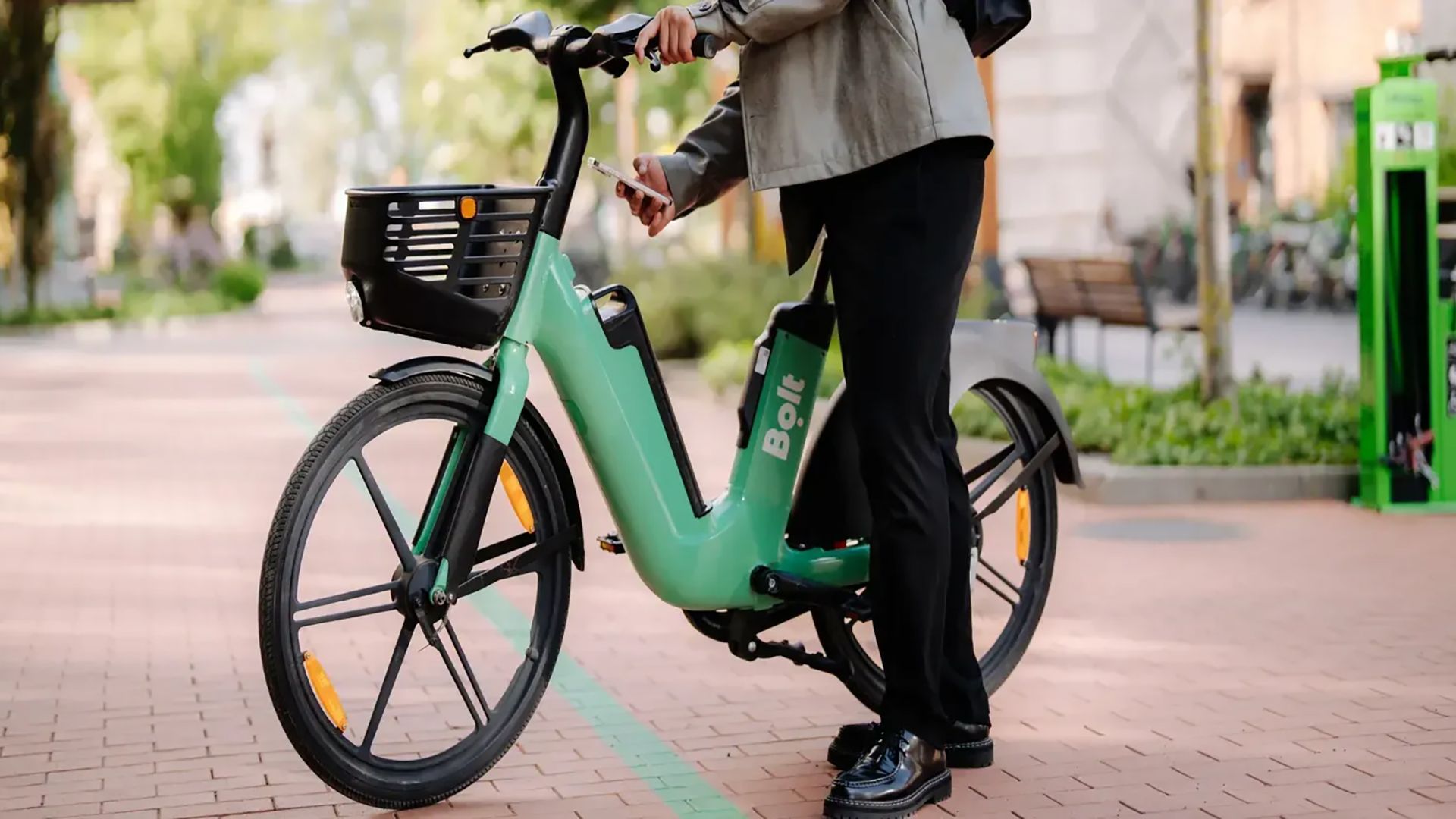
The consultation invites citizens, lawmakers, and companies to have their say on the best rules going forward. Operators are already testing in-app features such as intoxication checks and AI-scanned parking photos. The government hopes the new licensing regime will give local leaders the tools to stop nuisance parking, tackle anti-social behaviour, and make journeys safer, while preserving the benefits of shared mobility.