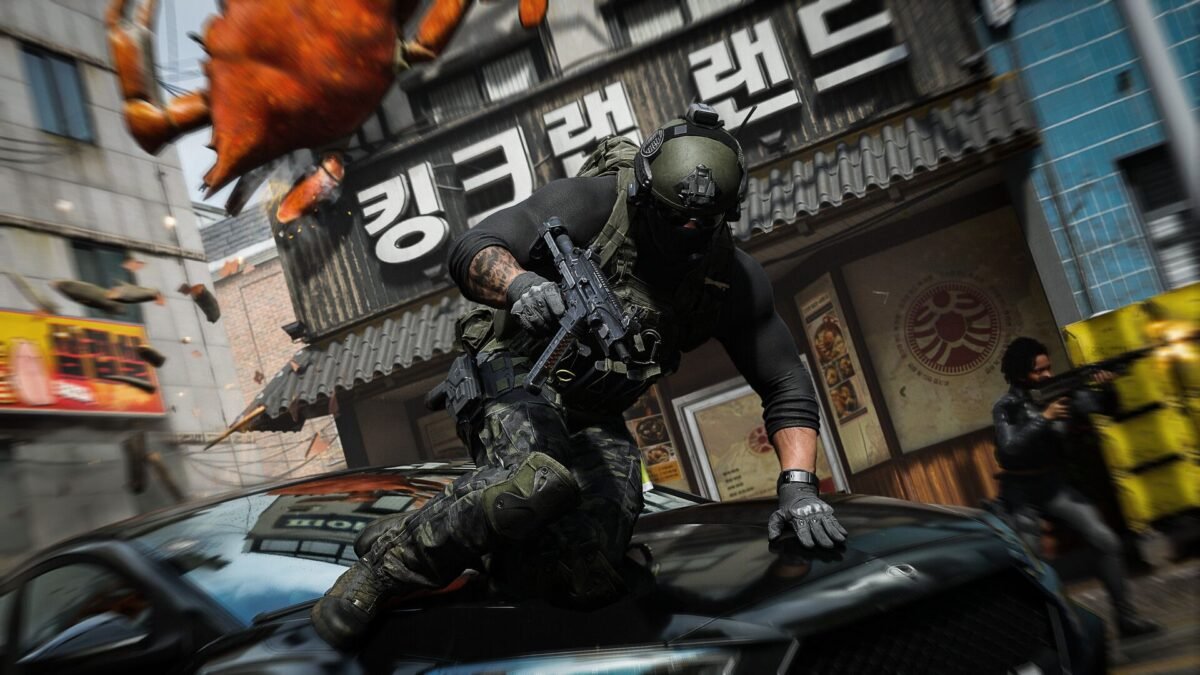
Jason Graves, the composer behind the score for Call of Duty: Modern Warfare 4, has drawn a clear line between the demands of writing music for the campaign and for online play. According to Graves, Modern Warfare 4 multiplayer music cannot be built around a fixed sequence of events, because each session takes its own unpredictable shape. His comments, shared in an interview with TechRadar Gaming, center on how the score functions in each mode rather than on any difference in style alone.
A Story Mode Offers Cues; Multiplayer Offers None
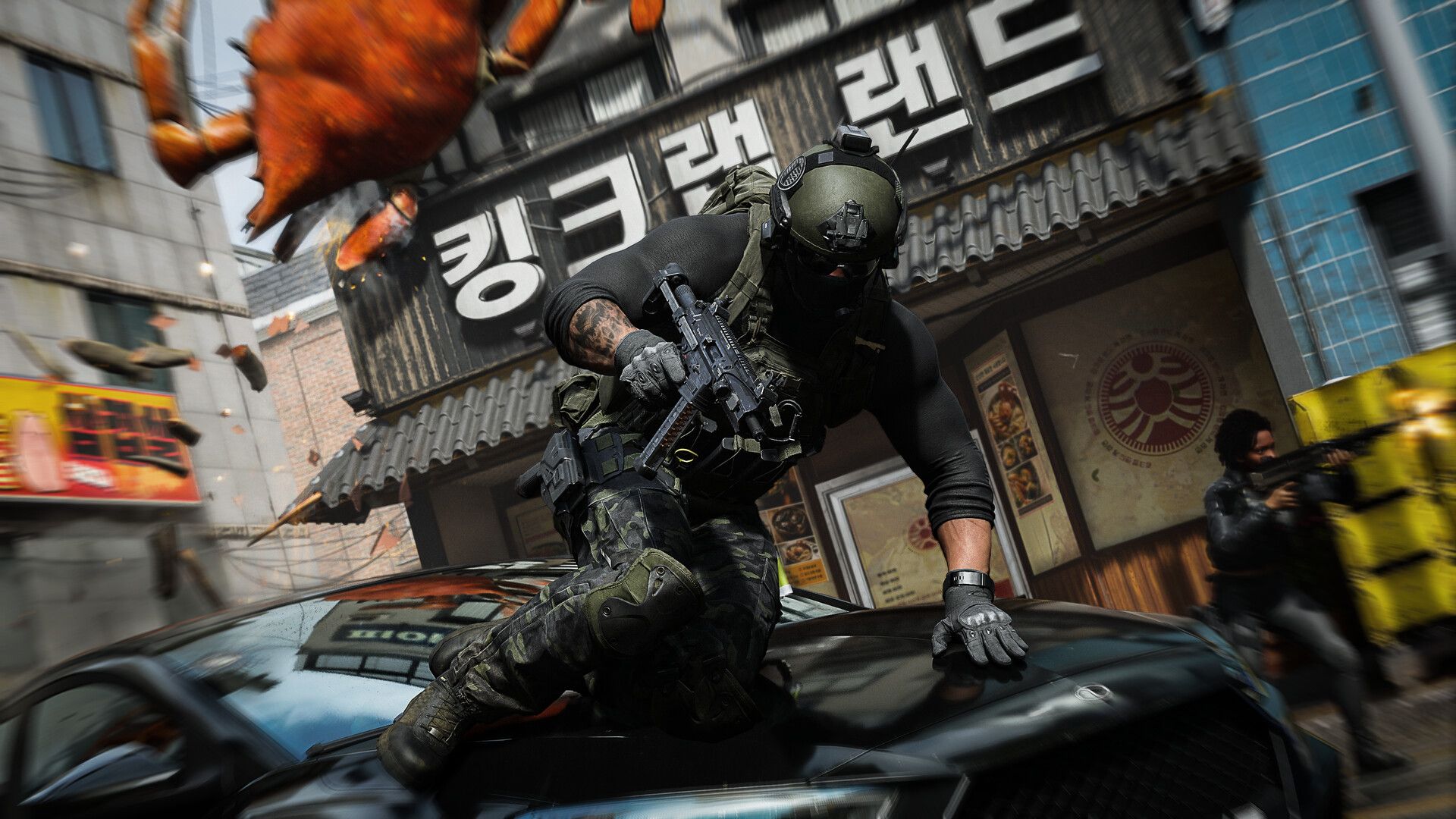
In a single-player campaign, Graves explained, the composer typically knows what the player is doing and when. Narrative structure, defined characters, specific locations and planned dramatic moments all give the music clear anchor points. That predictability lets a score follow the story with some precision, underlining key beats as they arrive.
Multiplayer removes that safety net. Graves described online matches as entirely unpredictable, noting that no one can know how a given round will develop. The score therefore has to operate inside a much more flexible framework, one that can respond to whatever is happening without assuming a particular sequence. For Graves, the job shifts from following a story to supporting the player’s experience while staying out of the way of gameplay.
Forward Momentum and Pure Adrenaline
The composer also said the multiplayer mode carries a completely different vibe from the campaign. Rather than tracking a plot, the music should make players feel that anything could happen at any moment. Graves identified forward momentum and pure adrenaline as central qualities he wanted to capture in the multiplayer score.
To describe his approach, he compared himself to Master Sergeant Apone from Aliens, the character who pumps up the troops before combat, keeps them focused in the fight and rewards them when they return. Graves used the character’s rallying lines about banquets, fortunes and parades to illustrate the spirit he was pursuing, framing the music as a kind of pre-match and in-match motivator.
Why the Distinction Matters for the Score
The contrast Graves describes is not simply a matter of faster tempos or louder percussion. It comes down to how the music is built and what it is expected to do. A campaign cue can be timed to a narrative event; a multiplayer cue has to remain useful across countless possible outcomes. That requirement shapes the structure of the music itself, pushing toward a flexible framework rather than a fixed dramatic arc.
Graves’s comments also clarify that the multiplayer mode is not treated as an afterthought to the campaign. He described a deliberate effort to give online play its own identity, one built around momentum and the sense that any match could turn at any moment. The result, as he frames it, is music designed to support players through uncertainty rather than to narrate a predetermined story.