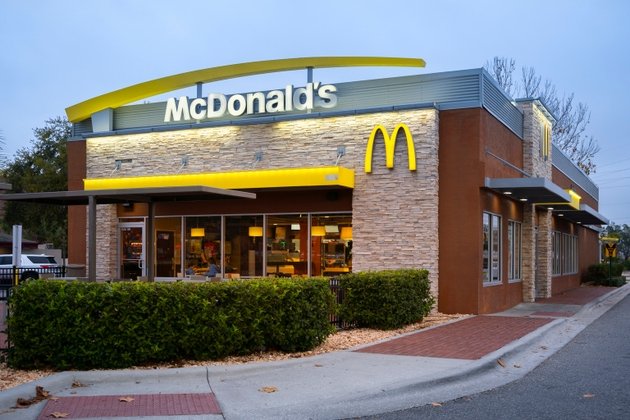
A strong third-quarter report has revived the McDonald’s turnaround narrative, but the numbers underneath the headline tell a different story. Adjusted earnings per share climbed 11% and operating income rose 7%, yet the U.S. business slipped 0.2% in comparable sales. That gap matters because higher check sizes failed to offset fewer customer visits, leaving the company’s most important market without a traffic recovery.
What the Quarter Actually Shows
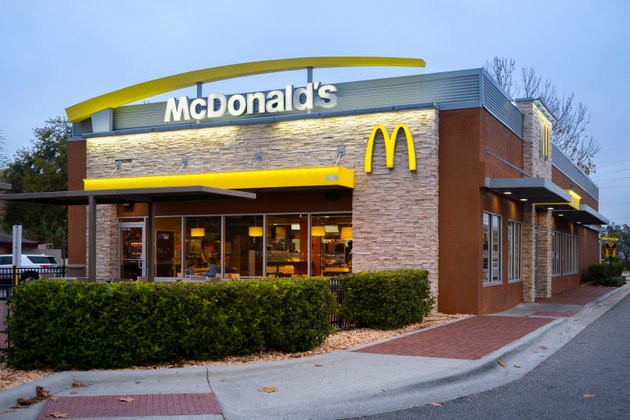
McDonald’s delivered growth in global restaurant sales, and the profit figures gave investors a reason to cheer. But the U.S. comparable sales decline of 0.2% points to a fragile foundation. Diners are spending more per order, but fewer of them are coming through the doors. That pattern raises doubts about whether the sales momentum can hold if check growth slows.
The report lands at a time when the market appears to be pricing in a recovery that has not yet materialized. At $280, the stock carries expectations of a business turning the corner. A fair value estimate closer to $210 suggests the opposite: that investors are paying for a rebound before the underlying traffic trend confirms one.
The Franchise Model Cuts Both Ways
McDonald’s franchise structure remains a structural advantage. It generates steady royalty streams and shifts much of the capital burden to operators. However, the model also shapes how growth reaches shareholders. New international units generate lower direct revenue for the company, and expansion has not translated into higher free cash flow.
That distinction is central to the bear case. More restaurants do not automatically mean more cash for investors, especially when the company’s direct revenue per new location is thinner abroad. The franchise engine is efficient, but its benefits do not flow evenly to the public shareholder.
The NEXT Plan and Its Limits
The company’s NEXT plan targets 50,000 locations and margin gains. It is an ambitious blueprint for scale. Yet most of the benefits accrue to franchisees rather than to shareholders, according to the analysis behind the Sell rating. That leaves the current valuation difficult to justify on cash flow grounds.
The plan’s success depends on operators capturing the upside while the company records lower direct revenue from international expansion. Without a clearer path to higher free cash flow, the growth story remains incomplete.
Why the Valuation Looks Stretched
The Sell rating at $280 rests on two concerns: traffic and demanding cash flow assumptions. U.S. comparable sales are declining, and higher check sizes are not compensating for lost visits. At the same time, the company’s expansion has not produced the free cash flow growth that would support a premium multiple.
Investors are effectively paying for a turnaround that has not happened yet. The earnings bounce is real, but it is not the same as a durable recovery in customer traffic. Until visits stabilize and free cash flow responds to expansion, the stock’s valuation leaves little room for disappointment.
The Bottom Line
McDonald’s third quarter offered two narratives: profit growth on the surface and traffic weakness underneath. The franchise model remains structurally advantaged, but new international units generate lower direct revenue, and the NEXT plan’s benefits mostly accrue to franchisees. With U.S. comparable sales down 0.2% and cash flow assumptions demanding, the case for a Sell rating at $280 with a fair value near $210 is grounded in the gap between what the market is pricing and what the business has delivered.