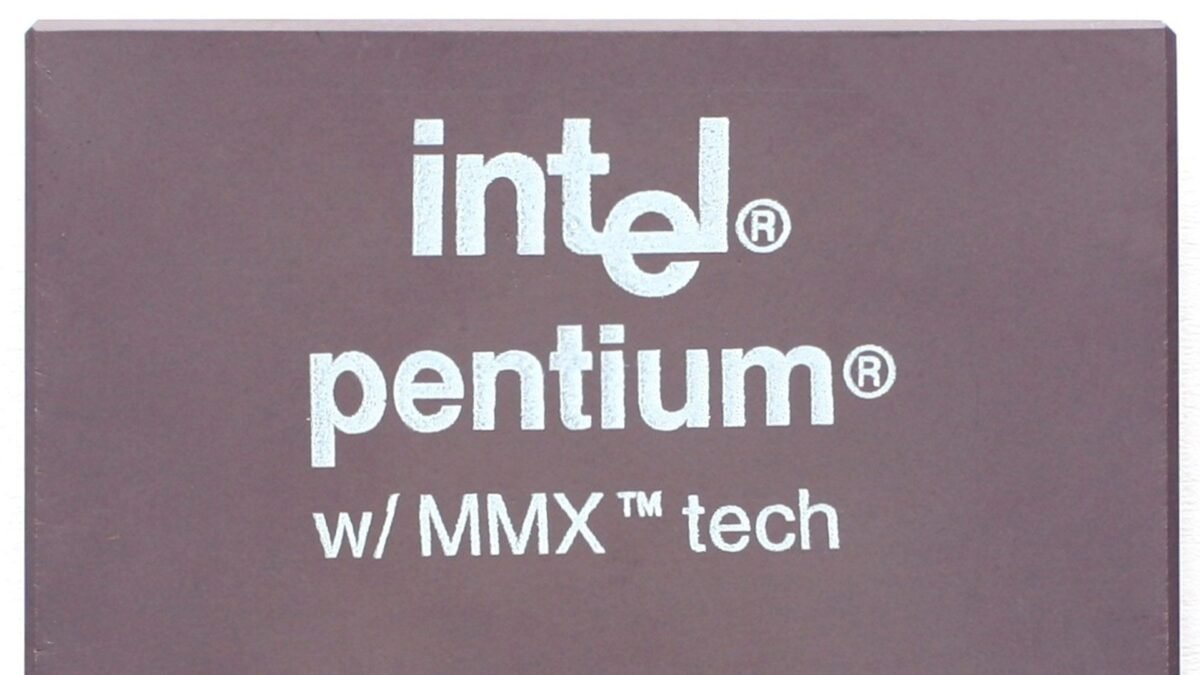
A patch lined up for Linux 7.5 removes last MMX optimizations, clearing out the final MMX-optimized software from the open-source kernel. The change targets the software RAID XOR code and is expected to land in the mainline kernel when version 7.5 ships in 2027.
The cleanup is small in scope but symbolically large. It closes the book on an instruction set that Intel launched during the Pentium era, when MMX was pitched as a way to accelerate multimedia workloads on consumer PCs.
What the patch actually changes
According to Phoronix, the patch removes MMX-optimized code from the kernel’s software RAID XOR path. The practical effect is straightforward: users who still rely on software RAID will keep the functionality, but the MMX fast path will no longer be available.
The code reduction is dramatic. More than 800 lines will be deleted and replaced with just 12, turning the patch into a routine piece of kernel housekeeping rather than a feature change.
That ratio reflects how little MMX-specific code remained. Most of the kernel’s MMX-optimized routines were removed about five years ago, when MMX-optimized memory management code was taken out. The RAID XOR path was one of the last holdouts.
Why MMX no longer matters
Intel introduced MMX with Pentium chips in January 1997. The branding suggested multimedia extensions, but the acronym itself was never a formal technical name. According to Wikipedia, MMX is officially a meaningless initialism trademarked by Intel.
The meaning became a legal issue in a trademark dispute with AMD. A document produced in court indicated that MMX stood for Matrix Math Extensions. AMD used that detail to argue around the trademark, since an initialism cannot be trademarked.
Whatever the letters meant, the instruction set spread widely. Rival x86 processors eventually added MMX support to stay competitive during the multimedia boom. Beyond Intel’s Pentium MMX chips, MMX-capable CPUs came from AMD, Centaur, Cyrix, Rise, and Transmeta.
The competitive back-and-forth continued after MMX. AMD pioneered 3DNow! instructions, and roughly a year later Intel responded with SSE and SSE2. Those newer instruction sets eventually made MMX optimizations obsolete for most practical purposes.
The practical impact for users
Few people will notice the change. Running the most modern Linux kernels on Pentium MMX or Pentium II hardware in 2026 is already an unusual scenario, and the removal does not break software RAID itself. It only drops the MMX-accelerated path.
For anyone determined to keep late-1990s Pentium hardware alive, software RAID will still work. It simply will not have the MMX fast path that the patch removes.
The patch is expected to merge into mainline Linux 7.5, the kernel release slated for 2027. Until then, the MMX code remains in place, a small remnant of an era when multimedia extensions were a selling point for new processors.