The Booker Prize 2026 shortlist has been revealed, with past winners Marlon James and Douglas Stuart among the six authors still in contention for the £50,000 award. The winner will be named at a ceremony in London on Monday evening, broadcast live on a special edition of BBC Radio 4’s Front Row.
James, from Jamaica, is recognised for his novel The Disappearers, while Scottish writer Stuart is nominated for John of John. James won the prize in 2015 with A Brief History of Seven Killings, and Stuart took the honour in 2020 for Shuggie Bain.
The other shortlisted authors are American novelist Elizabeth Strout and British writers M John Harrison, Luke Kennard and Rebecca Perry. Seven books that appeared on the longlist announced in July did not progress to the final six.
A shortlist shaped by debate

Dame Mary Beard, who chaired the judging panel, described the process of settling on the six titles as extremely demanding. She said the judges had found the task, to put it mildly, hard work.
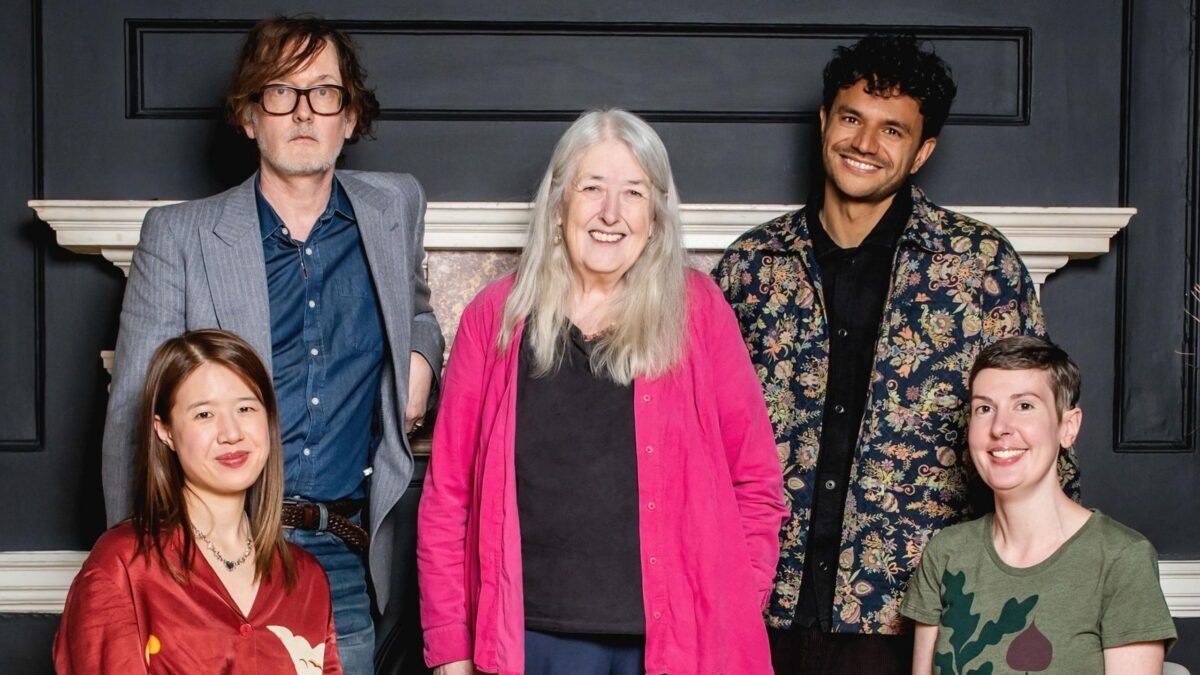
The panel also included former Booker-shortlisted US novelist Patricia Lockwood, poet Raymond Antrobus, journalist and critic Rebecca Liu, and Pulp frontman Jarvis Cocker. Lockwood recalled becoming more assertive than she had expected during discussions, while Antrobus said each judge had arrived with a different idea of what the shortlist should be.
Antrobus said the final choices shared a willingness to take risks alongside emotional depth. He argued that the books could not be replicated by artificial intelligence because of the way they engage with lived experience.
Cocker compared the judging experience to playing in a band, saying the combined result was something no individual could produce alone. He read some entries while touring and once joined a meeting online from an Australian hotel room at 2am local time, wearing a dressing gown.
The six contenders

- The End of Everything by M John Harrison – Set on the Kent coast after an unexplained catastrophe and the arrival of mysterious alien beings, the novel follows a man and his elderly aunt. It is Harrison’s first Booker nomination; at 81, he would become the oldest winner in the prize’s history. The judges noted that despite the bleak landscape, the book contains moments of laughter.
- The Disappearers by Marlon James – An epic centred on a violent attack on eight gay men rehearsing a queer play in Kingston, Jamaica, in 1988, and its aftermath. The judges praised its shifting dialogue and poetic language, often sharpened by double-edged humour.
- Black Bag by Luke Kennard – An out-of-work actor is locked in a black bag during psychology lectures for a term as part of a professor’s experiment. The judges called it a quirky campus novel that combines absurdity with a moving exploration of human frailty, passion, confusion and identity.
- May We Feed the King by Rebecca Perry – A modern museum curator is commissioned to recreate a historical scene in a palace and becomes absorbed in the life of a young, reluctant king. The judges described the debut novel, by a poet and former competitive trampolinist, as an affecting and lush jewel that unsettles the idea of a single historical truth.
- The Things We Never Say by Elizabeth Strout – A high school history teacher in his fifties feels adrift in modern America, and a secret forces him to confront questions about his relationships and choices. The judges called it a calm antidote to contemporary events that engages with divisive politics without becoming divisive itself.
- John of John by Douglas Stuart – A fashion student is drawn back to his home in a small, religious community in the Outer Hebrides in the mid-1990s. He and his father, both named John, nurse secrets. The judges described it as rich and moving, with buried shame reverberating to surprising, devastating and even joyous effect.
Longlist casualties and a playful exchange

Among the longlisted titles that missed the shortlist was Emma Cline’s Switzy, which some observers had seen as a leading contender. Critic Giles Coren wrote in the Times that he would eat Dame Mary if the book did not win. Dame Mary responded that she would prepare the cooker and ask him how he wanted her done.
Announcing the shortlist in September, Dame Mary said English-language fiction is full of talent, old and new, and encompasses wit, seriousness, pleasure, challenge and discomfort. She added that novelists deserve greater reward than they currently receive.