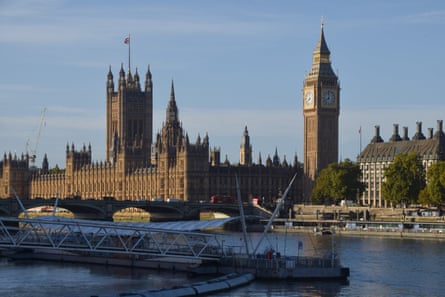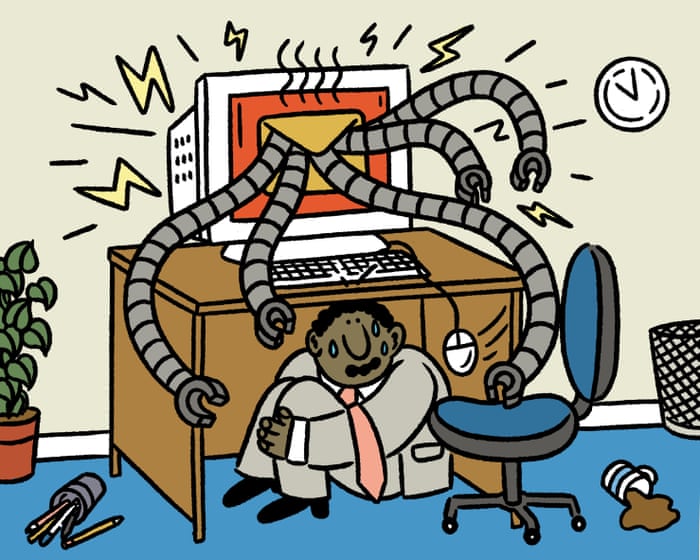
A growing wave of chatbot-written correspondence is creating an AI clog across UK public bodies, from council offices and MPs’ surgeries to courts and schools. Letters, complaints and legal challenges that once took effort to draft can now be produced in seconds, but the organisations receiving them say the resulting workload is anything but quick to clear.
From trickle to torrent

Hollie Wickens, a senior caseworker in a Labour MP’s office, describes the shift as starting gradually in 2024 before becoming an onslaught. She estimates that half of the emails arriving are some form of AI-generated material, and says the complexity of these messages makes them far harder to read and answer despite her decade of experience. The effect, she says, is more taxing than ordinary casework.
The pattern is not confined to Westminster. Deborah Evans, chief executive of Lawyers in Local Government, which represents 5,600 lawyers working in councils, says every sector is encountering very similar problems. AI, she notes, can make a complaint sound highly professional and formal, and it allows people to produce such correspondence very quickly.
Councils count the cost

Local authorities are seeing rising complaint volumes on matters ranging from adult social care and missed bin collections to objections against planning applications. According to Evans, the average complaint once ran to about two pages; most are now ten times longer, and the worst she has heard of reached roughly 200 pages. Because councils have a single pot of money, extra complaints do not bring extra funding.
Alessandro Georgiou, leader of Enfield council, calls the situation a real problem. He points to a significant uptick in parking appeals as one example of residents increasingly using AI to challenge council decisions. Councils suspect artificial generation when correspondence runs unusually long, relies heavily on bullet points or includes certain telltale phrases.
Evans also warns that AI tools often treat a complaint as a legal claim, citing statutes and case law that may come from the wrong jurisdiction, such as Canada, and occasionally inventing material through hallucination. Every pound spent handling complaints, she adds, is a pound unavailable for other services, which is why some ombudsman services are introducing word limits or online templates that restrict how much information can be attached.
Information requests under strain
The Information Commissioner’s Office found that many public authorities received more requests in 2025. It noted that AI-generated requests can be very long, repetitive and full of unrelated comments or misdirected demands, with a broader scope that makes it harder to identify precisely what information is sought. Even requests that appear AI-drafted and contain inaccuracies still require a human response.
Transport for London received a record 4,769 freedom of information requests in 2025-26, a 5% rise on its previous peak in 2023-24. Minutes from a recent meeting of its audit and assurance committee also recorded a noted increase in appeals that appeared to be AI-generated, often containing highly technical and inaccurate assertions.
MPs' offices stretched
Vonnie Sandlan, head of office for Graeme Downie, the Labour MP for Dunfermline and Dollar, says the surge has left staff exhausted, stretched to their limits and working more hours than they are paid. While she acknowledges that AI agents could help people who struggle to draft correspondence, her office has decided to stop responding to automated click-to-email campaigns so that staff can focus on constituents’ requests.
The GMB union, which represents MPs’ office staff, has found soaring casework levels across the board. Lisa Gillmore, president of the MPs’ and peers’ staff branch, says AI is not lightening the load in MPs’ offices, and that where offices keep their own figures, casework has doubled or more with no let-up for staff.
Legal challenges and tribunal pressure

Some business owners worry that AI’s tendency to be overly supportive can give people misplaced confidence to pursue legal cases. The founder of one technology start-up, who is facing an employment tribunal brought by a former employee dismissed on performance grounds, complains that everyone now has a free lawyer. The founder expects legal fees to reach £30,000 by the time the case is heard, and says the wording and tone of the complaint mark it as AI-generated.
Government figures show employment tribunal claims from single claimants opened between April and June rose 28% year on year to 14,000, while concluded cases fell, leaving 70,000 open single claims at the end of June. Jim Moore, an employee relations expert at Hamilton Nash, says many clients receive correspondence that is entirely AI-generated or heavily reliant on AI wording. Such complaints, he says, are unnecessarily verbose, inflate minor incidents into major offences and often omit the most important element: the resolution the complainant actually wants.
Filtering the flood
Some organisations are exploring AI to fight AI. Wiltshire council has said it is looking at using such tools to summarise long emails and draft initial responses, while a committee at Stroud district council has discussed using Microsoft Copilot for writing reports and presenting information. Researchers have suggested charging fees for submitting requests or blocking bots from government websites, and the UK government has issued civil servants advice on verifying facts, avoiding personal data and ensuring human review and final decisions.
Technology journalist Jamie Bartlett, who has been approached by many people sharing experiences of AI clog, believes public bodies and companies will probably have to deploy some form of AI filtering or set stricter rules on what they accept. Otherwise, he warns, they risk becoming completely overwhelmed.