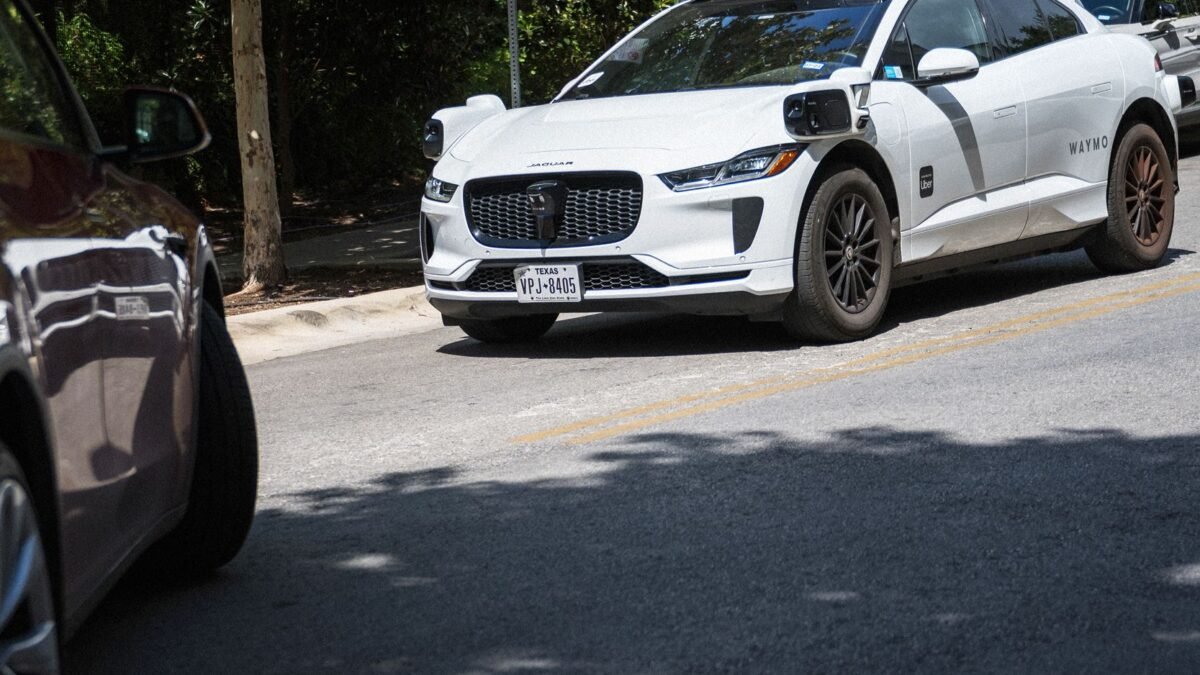
The Waymo school bus recall is back under the microscope. Federal safety regulators are now asking whether the software remedy the company rolled out for its robotaxis actually prevented them from illegally passing stopped school buses — a maneuver that is against the law in every state.
The National Highway Traffic Safety Administration has opened a formal investigation into the matter. At issue is whether the fix Waymo issued in mid-November, followed by a voluntary recall a month later, succeeded in stopping its autonomous vehicles from going around buses that had their red lights flashing and stop arms extended.
According to a government filing, most of the incidents involving school buses took place after the date of that software update. That timing is central to the inquiry, which will assess whether the recall delivered the safety outcome it was meant to.
A pattern that outlasted the remedy

The concern is not hypothetical. The National Transportation Safety Board, an independent federal agency, reported that another school bus passing incident occurred in mid-January — several weeks after the software fix had been deployed. The NTSB is conducting its own investigation into the passing problem.
Waymo spokesperson Dana Gallagher said in a written statement that the company has made substantial changes to how its vehicles behave near school buses. She noted that Waymo has not been cited for passing a school bus since March, a point that comes months after the mid-December recall. Gallagher also said the company looks forward to continued engagement on recall processes for autonomous vehicle software that keeps learning and improving.
Training effort came after the fix
The timeline is further complicated by a data-collection event that took place in Austin, Texas, late last year. The local school district helped organize a half-day session in an empty parking lot, bringing school buses and stop-arm signals so Waymo could gather information to train its vehicles to avoid the illegal maneuver.
That event, coordinated with the self-driving developer, happened after Waymo had already issued both its software fix and its voluntary recall. Even so, the incidents did not stop.
Why regulators are pressing now
School bus passing is a safety issue with clear legal boundaries: all 50 states prohibit drivers from going around a stopped bus that is loading or unloading students. For autonomous vehicles, the question is whether software can reliably recognize and respond to those signals in real-world conditions.
NHTSA’s investigation will focus on whether the recall remedy actually worked. In past years, inquiries of this kind have ended in civil penalties, with some costing automakers and software developers tens of millions of dollars.
For Waymo, the probe adds a new layer of scrutiny to a recall that the company had presented as a fix. The federal government’s review now turns on a straightforward question: did the software change do what it was supposed to do?