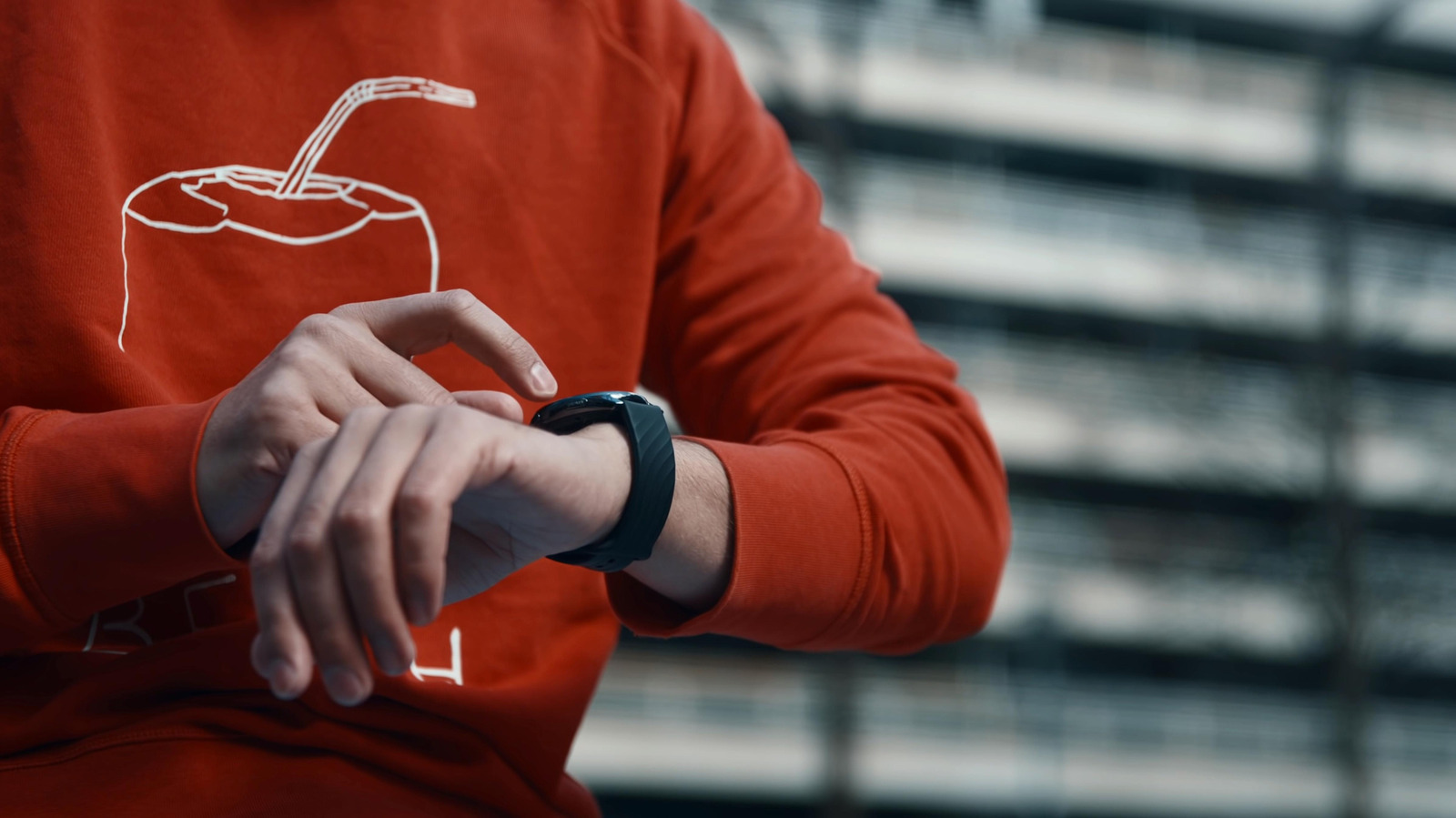
OnePlus smartwatches have long occupied a niche corner of the wearable market, and the company’s recent decision to stop selling devices in the US and Europe adds a layer of urgency for anyone considering one. The official OnePlus store no longer offers new smartwatches in the US, but retailers like Amazon still carry stock of the full lineup for now. That makes the current moment a strange but not impossible time to weigh what OnePlus smartwatches offer against what they leave out.
Where OnePlus Watches Excel
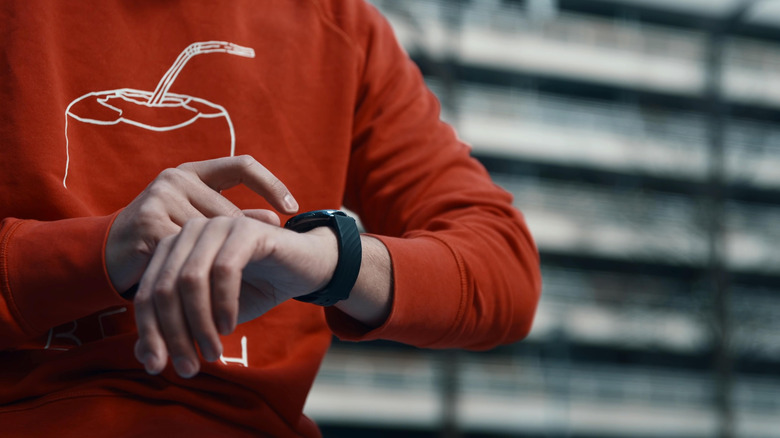
Battery endurance is the headline advantage. The OnePlus Watch 4 can run for five days in smart mode on a single charge, and power saver mode stretches that to two weeks. Charging is equally impressive: tests showed the OnePlus Watch 3 hitting 80% in 30 minutes, while the Apple Watch Series 10 reached only 50% and the Samsung Galaxy Watch Ultra just 36% in the same window. For anyone who pays even minimal attention to charging, running dry is nearly impossible.
Value is the second strong point. OnePlus watches undercut comparable competitors without feeling cheap. The AMOLED screens are large and bright, and the onboard OHealth software is generally viewed as serviceable rather than exceptional. The full suite of Google apps is available, which helps offset any software shortcomings.
Build quality also works in their favor. These are solid, durable devices built for physical activity, and their design leans toward traditional watch aesthetics—a look many find more appealing than rival smartwatches, though that is ultimately a matter of taste.
Notable Drawbacks
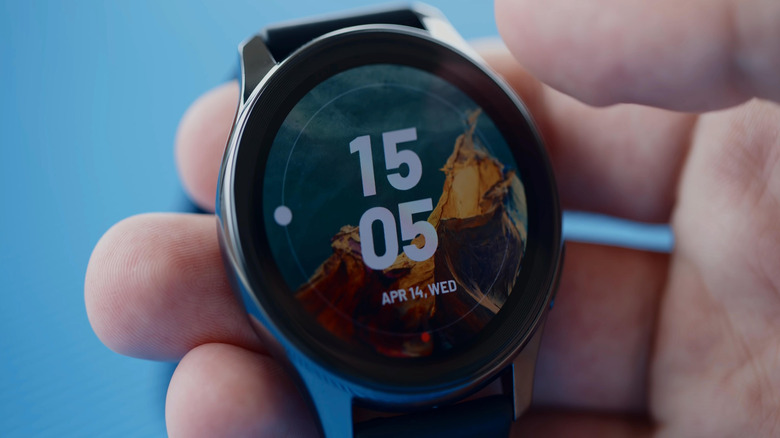
The biggest gap is cellular support: OnePlus watches have none. They must be paired with a phone to be useful, and because they run Wear OS, they only work with Android devices. US models also lack ECG trackers since OnePlus did not obtain the required FDA approval, and older OnePlus Watch 2 models skip fall detection.
The same chunkiness that contributes to durability can be a liability. OnePlus watches are heavier and bulkier than much of the competition, which can make them stand out if you prefer a sleeker profile. On slimmer wrists, the size becomes a genuine comfort issue, and the extra weight may grow tiresome over long wear periods.
Software support adds another question mark. OnePlus has committed to continuing updates for existing devices, but how easy that support will be to access remains unclear. Smartwatch owners may feel the impact later than phone users, since watches depend less on frequent software updates, but it is worth factoring in before committing to the ecosystem.
Who Should Consider OnePlus?
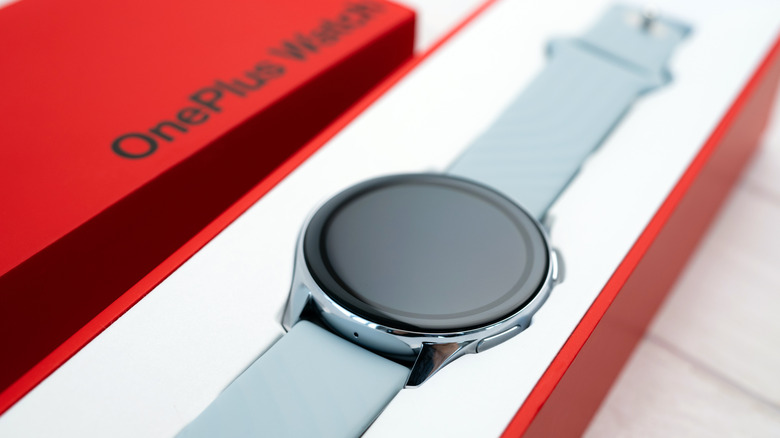
If battery life, fast charging, and a traditional look matter more to you than cellular independence or advanced health sensors, OnePlus smartwatches remain a compelling option—at least while stock lasts. If you need standalone connectivity or ECG tracking, the missing features are hard to overlook.