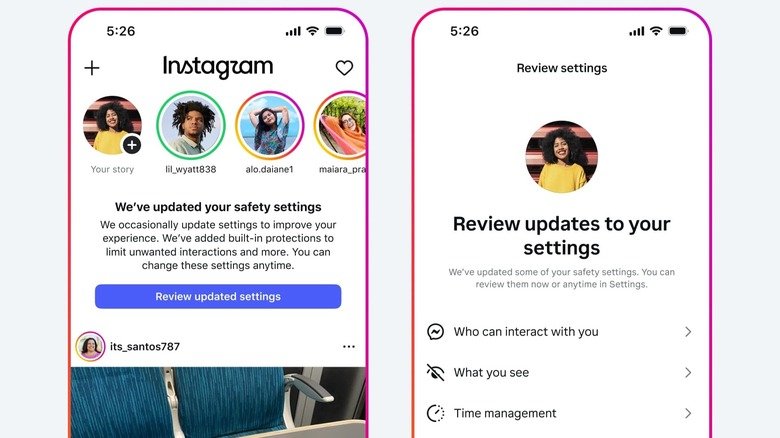
Meta is widening the reach of its AI age detection for Instagram teen accounts, extending a system that already operates in the United States, the European Union and Brazil to users around the world. The tool estimates how old a person is; when it places someone between 13 and 17, that user is moved into a teen account even if the birth date entered at sign-up pointed to an adult.
Teen accounts come with a stricter set of defaults than ordinary profiles. Strangers cannot message the account holder, posts and profiles start out private, a daily time limit applies to the app, and parents are given control tools. Meta said it will begin notifying parents in the United States through Instagram about how teens are sorted into these accounts.
Facebook and Threads follow Instagram
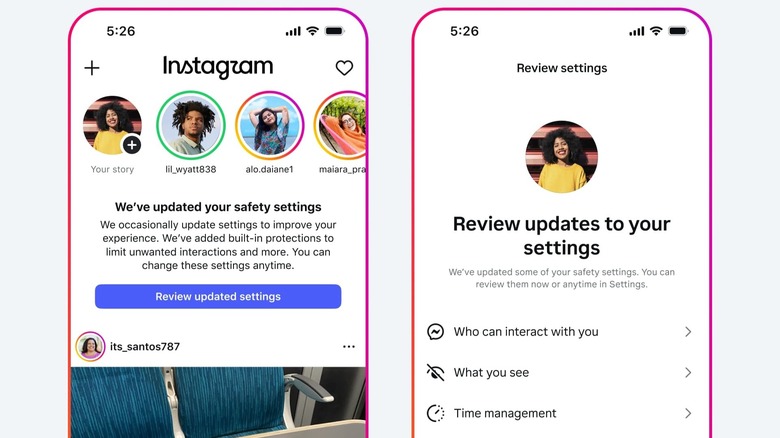
The age-estimation work is not confined to Instagram. Meta continues to extend the same technology on Facebook and intends to introduce it on Threads before the end of the year. In Australia, the company has begun treating Apple’s age-range system as an additional signal when judging a user’s age.
Meta has repeatedly argued that app stores, rather than individual apps, should bear the legal duty of confirming how old users are, and the Australian arrangement fits that position. The company’s public case has been that store-level verification would give platforms a more reliable starting point than estimates made from behavior inside a single app.
Under-13 detection is a separate function
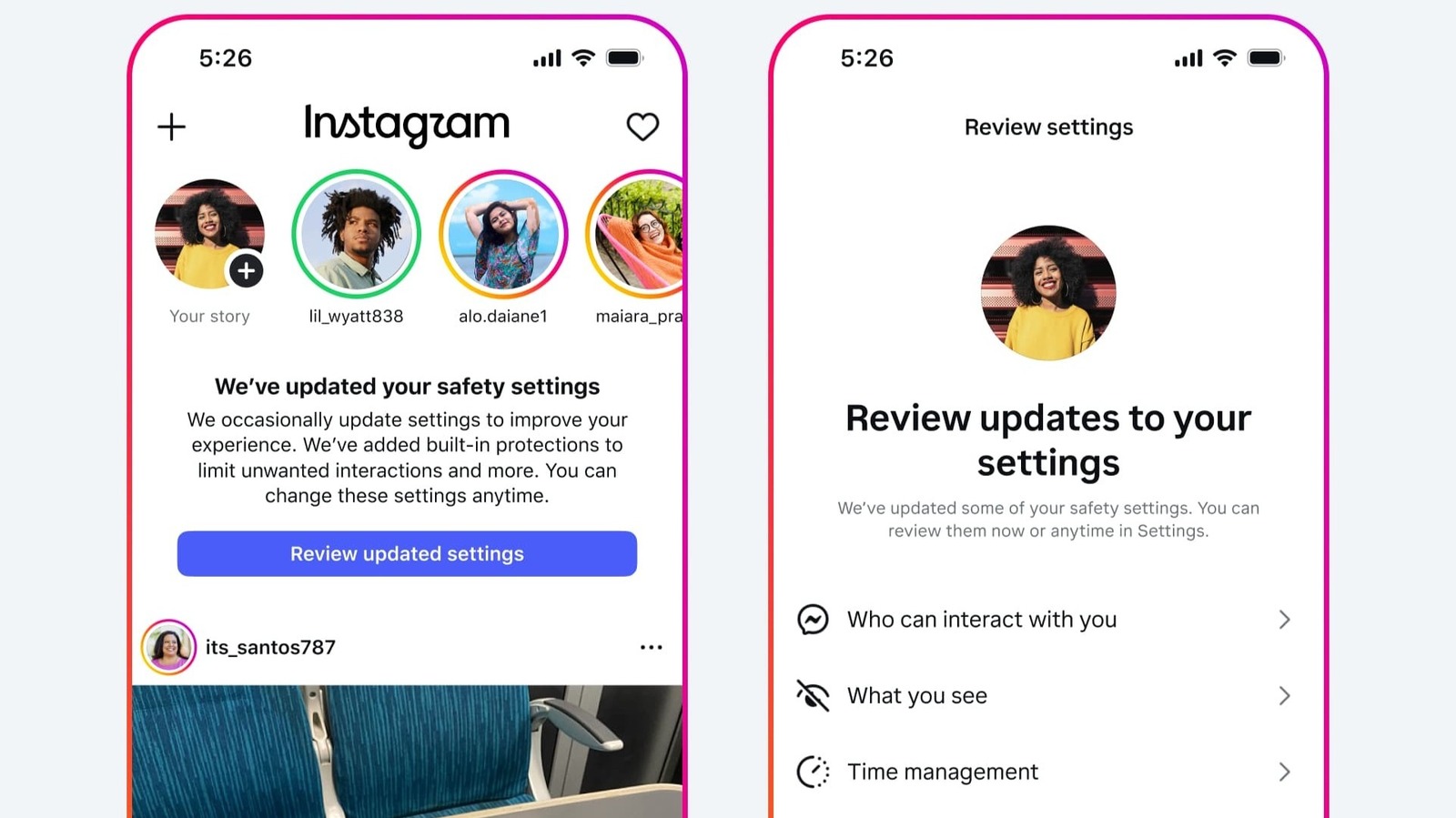
Meta also clarified the boundaries of its age-detection tools after questions about how far the systems reach. According to the company, techniques such as analyzing bone structure in photos, or picking up references to school grades or birthday celebrations, are reserved for finding and removing users younger than 13. They are not part of the estimate that assigns teenagers to restricted accounts.
The distinction matters because the two tasks carry different stakes. Removing under-13 users is an enforcement action against accounts that are not permitted on the platform at all, while the 13-to-17 estimate determines which protections a legitimate user receives.
Settlement adds pressure to catch young users
The expansion follows an August agreement with 52 state attorneys general that settled a lawsuit alleging harm to young users of Meta’s apps. The company could be required to pay as much as $18 billion under the deal.
As part of that settlement, Meta committed to putting more resources into technology that can proactively identify accounts that may belong to children under 13, and to spotting accounts held by users between 13 and 17. The global rollout of age estimation, together with the planned additions on Facebook and Threads, forms part of that broader effort to sort users by age before problems arise.
For parents, the practical effect is that a teenager who entered a false adult birth date may still land in a restricted account, with private-by-default posts, limited messaging and a daily cap on time spent in the app. Meta’s US parent notifications are meant to explain that process as the system reaches more users.