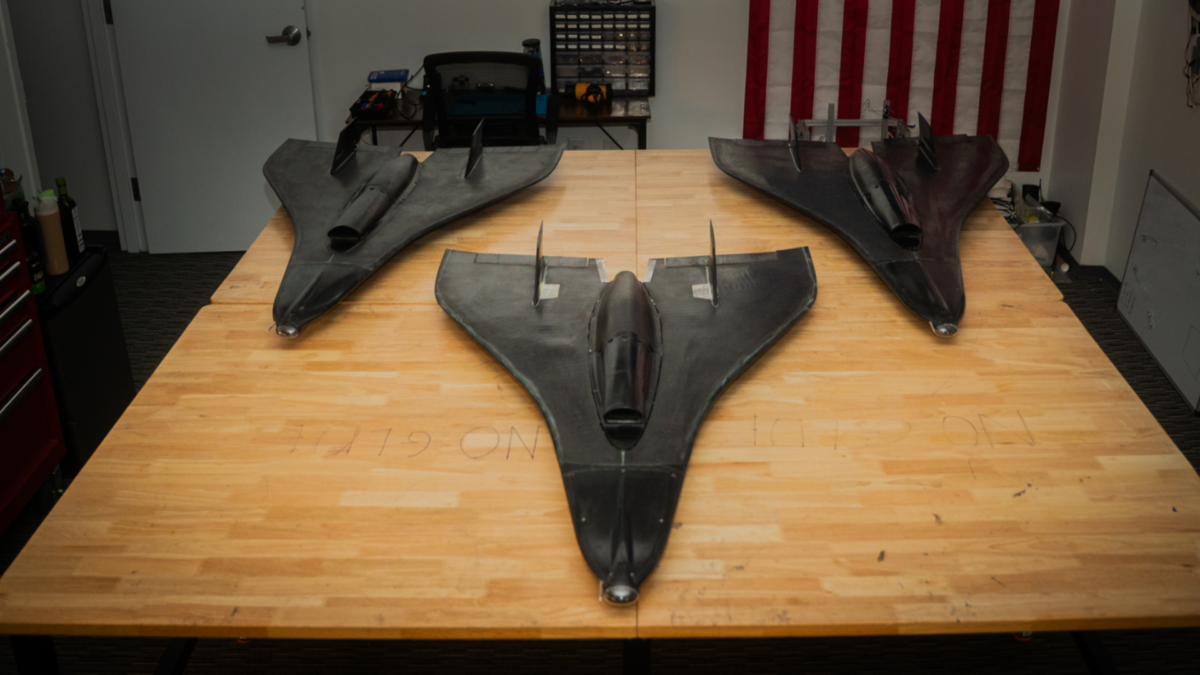
Reaper drone 491 mph record — A homemade jet-powered model aircraft built by a Georgia Tech aerospace engineering student has reportedly reached 491 mph, a figure that, if confirmed, would establish a new benchmark for radio-controlled planes. The aircraft, named Reaper, was developed independently by Tomas Salvo, who announced the speed on X and noted that the craft carried a 2.6-pound payload during its fastest run. The claimed mark would eclipse the 465 mph set in 2017 by German pilot Niels Herbrich with his Inferno aircraft.
From Dorm Room to Launch Rail
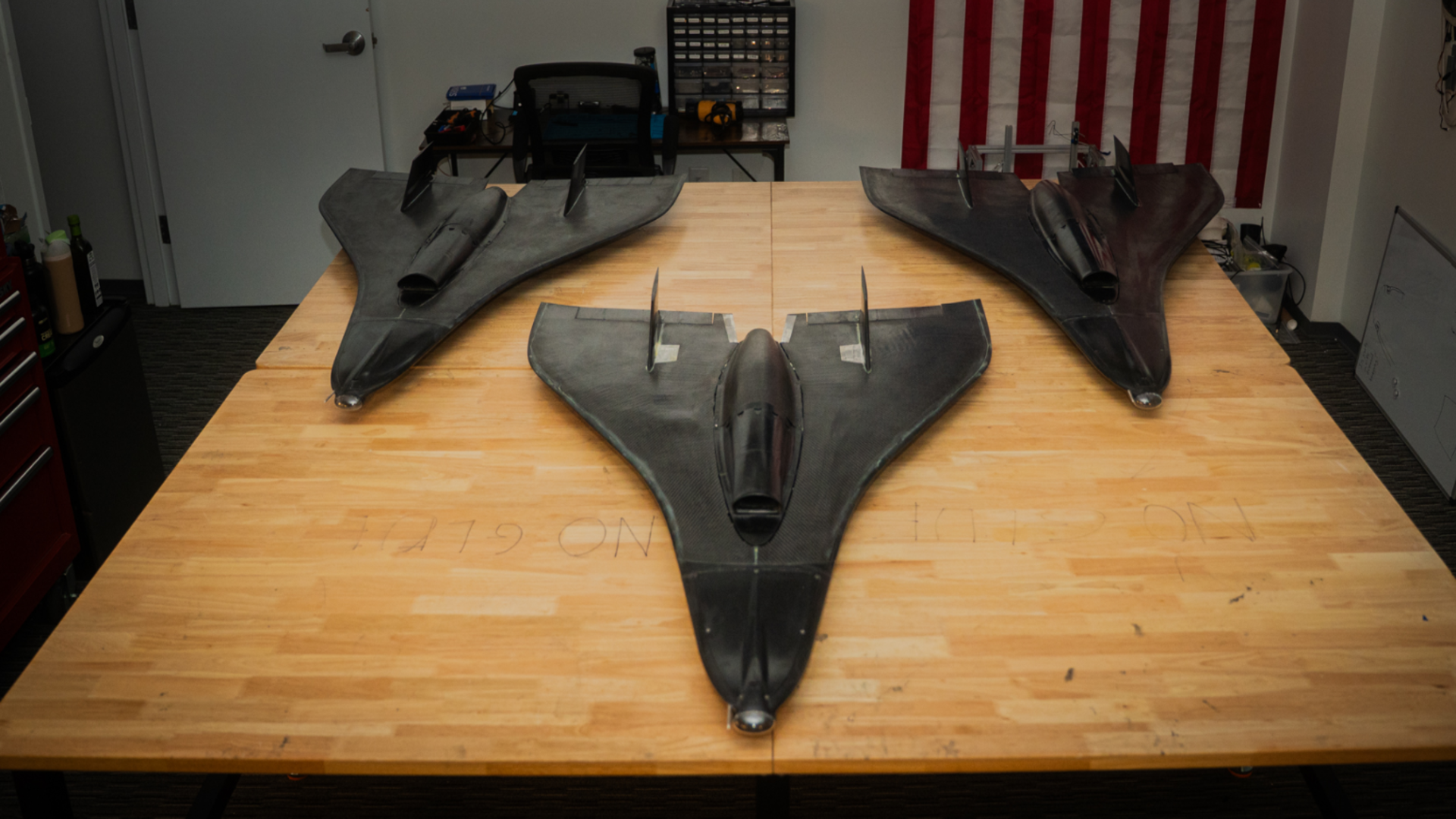
Salvo started the project in February 2025, designing and building the prototypes on his own while living in university housing at Georgia Tech. He has completed three working versions, each said to sustain 491 mph for four minutes on a full fuel load. The drone is powered by a 250-newton turbojet and features a custom air intake and a 3D-printed titanium exhaust nozzle. Its exterior is made from molded carbon-fibre sections, and laser-cut parts form the internal structure.
The design can leave a launch rail or a truck-mounted launcher and climb to 6,600 feet (2,000 metres) in 20 seconds, according to Salvo. He also claims the aircraft can cover 31 miles (50 kilometres) at maximum speed and describes the system as reliable and repeatable, with multiple trials producing closely matching results. The entire development cost about $13,000, which Salvo funded himself as a student.
He plans further flights and refinements, with the goal of eventually surpassing 500 mph (800 km/h). His post drew the attention of Prescott Paulin, director of industry engagement at the Department of War’s Research and Engineering office, who leads industry engagement for the Pentagon CTO’s Mission Capabilities team. Paulin publicly invited Salvo to visit the department.
Boom Prize Sets a Higher Bar
Reaper’s reported performance also places it in a arena where amateur builders can chase a much larger prize from Boom Supersonic. The company’s chief executive, Blake Scholl, announced a $750,000 cash award plus $50,000 in company shares for a qualifying supersonic flight. To enter, competitors must fly a radio-controlled, fixed-wing aircraft faster than Mach 1 for at least five seconds and land it safely, completing the required performance twice on the same day with a single aircraft. Rocket propulsion, onboard oxidisers and one-time-use designs are prohibited; entrants must use air-breathing engines such as turbojets, turbofans or ramjets. Teams backed by corporate sponsorship or venture capital are disqualified, as are projects tied to aerospace businesses or led by professional aerospace engineers. Applicants must be U.S. citizens, permanent residents or individuals granted legal asylum. The judging panel includes former Boeing chief executive Phil Condit, SpaceX co-founder Tom Mueller and astrophysicist Scott Manley. The competition remains open until 2030.
Salvo has expressed interest in pursuing the $800,000 award, but the reported 491 mph flight alone does not meet the supersonic requirement. The Reaper project, while not yet eligible for the Boom prize, demonstrates the growing capabilities of independent builders and the fine line between hobbyist projects and record-setting engineering.