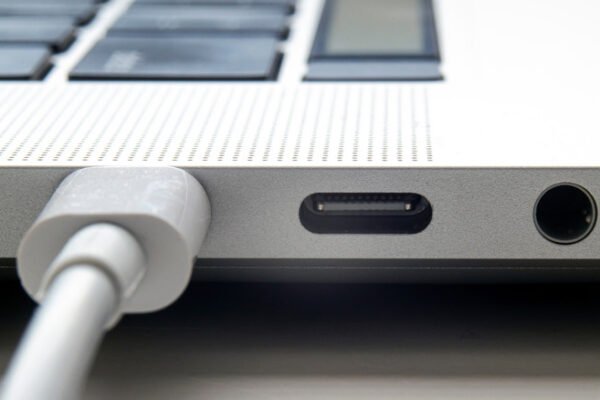
Buying tech from other countries can look like a clever workaround, whether you need a replacement phone during a trip or want a model that is not sold at home. But imported devices often carry region-specific trade-offs that are easy to miss until after the purchase. The hardware may differ, the warranty may not follow you, and shipping or taxes can add real cost.
Hardware and software are not always the same worldwide
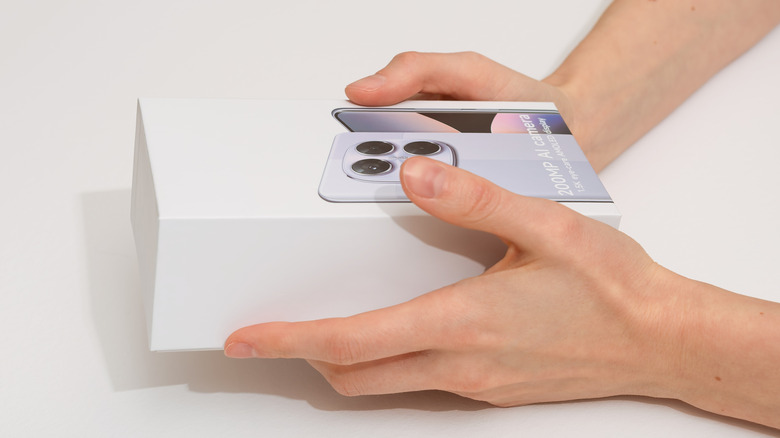
Manufacturers routinely build different versions of the same product for different markets, and those differences can affect daily use. In China, some iPhone models include two physical SIM slots. In the United States, iPhones stopped including a SIM tray with the iPhone 14, so users rely on eSIM instead. iPhones sold in China also have limited access to Apple Intelligence tools, even when those tools are used elsewhere.
Cellular support is another common problem. Phones are often configured for the bands used in the region where they are sold. A handset bought abroad may not work on a US 5G network, and it may lose carrier-specific features such as VoLTE or Wi-Fi Calling if it is not certified for the network. That can become a serious inconvenience if the device is meant to be a primary phone.
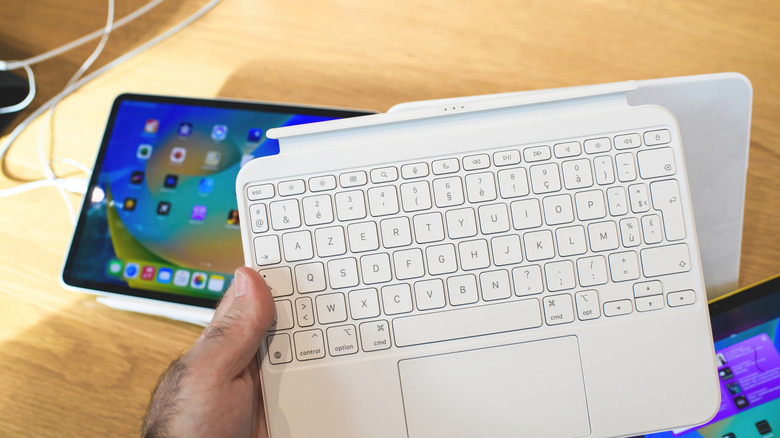
Laptops have their own regional quirks. Keyboard layouts vary by country; French laptops, for example, use the AZERTY layout, and some brands do not offer a QWERTY version in those markets.
Power and plugs can trip up imported devices
Power is another area where imports can fall short. Products bought abroad will likely come with a different plug, which means an adapter is needed. Voltage also matters: the US uses 120V at 60Hz, while most of Europe and Asia use 220V to 240V, usually at 50Hz. Phone and laptop chargers commonly work across regions, but not every piece of tech does.
Warranty coverage and import costs add friction

Warranty support is frequently tied to the country where a device was sold. Many manufacturers only offer tech support in that region, and repairing a product that is not officially sold in the US can be difficult when a part breaks. Some companies are more flexible about devices purchased abroad; AppleCare is one example. Even so, Apple’s warranty terms state that service for select devices, including the iPhone, may be limited to the country where the product was originally sold. For buyers who prioritize warranty protection, purchasing locally remains the safer choice.
Online purchases bring additional expenses. The US has ended its $800 de minimis exemption for international parcels, so even small packages may be taxed heavily. International shipping is not cheap either. Between potential duties, shipping fees and limited support, the final price of an imported gadget can climb well beyond the listed cost.
What to weigh before you import
- Check whether the model’s cellular bands and carrier features match your network.
- Confirm the hardware version, including SIM setup and keyboard layout.
- Review warranty terms for coverage in your country.
- Account for adapters, voltage requirements, shipping and import duties.
None of this makes importing tech impossible. Sometimes it is the only practical option, especially when a device fails during travel or a desired product is unavailable locally. But the decision is best made with the region-specific limitations in view, rather than discovered after the device arrives.