At Dutch Bros, the path to the executive suite runs through the espresso machine. The coffee chain requires all of its top leaders, including CEO Christine Barone, to complete a two-week Dutch Bros executive bootcamp designed to teach them the fundamentals of store work and drink preparation.
Learning the Ropes as a Broista
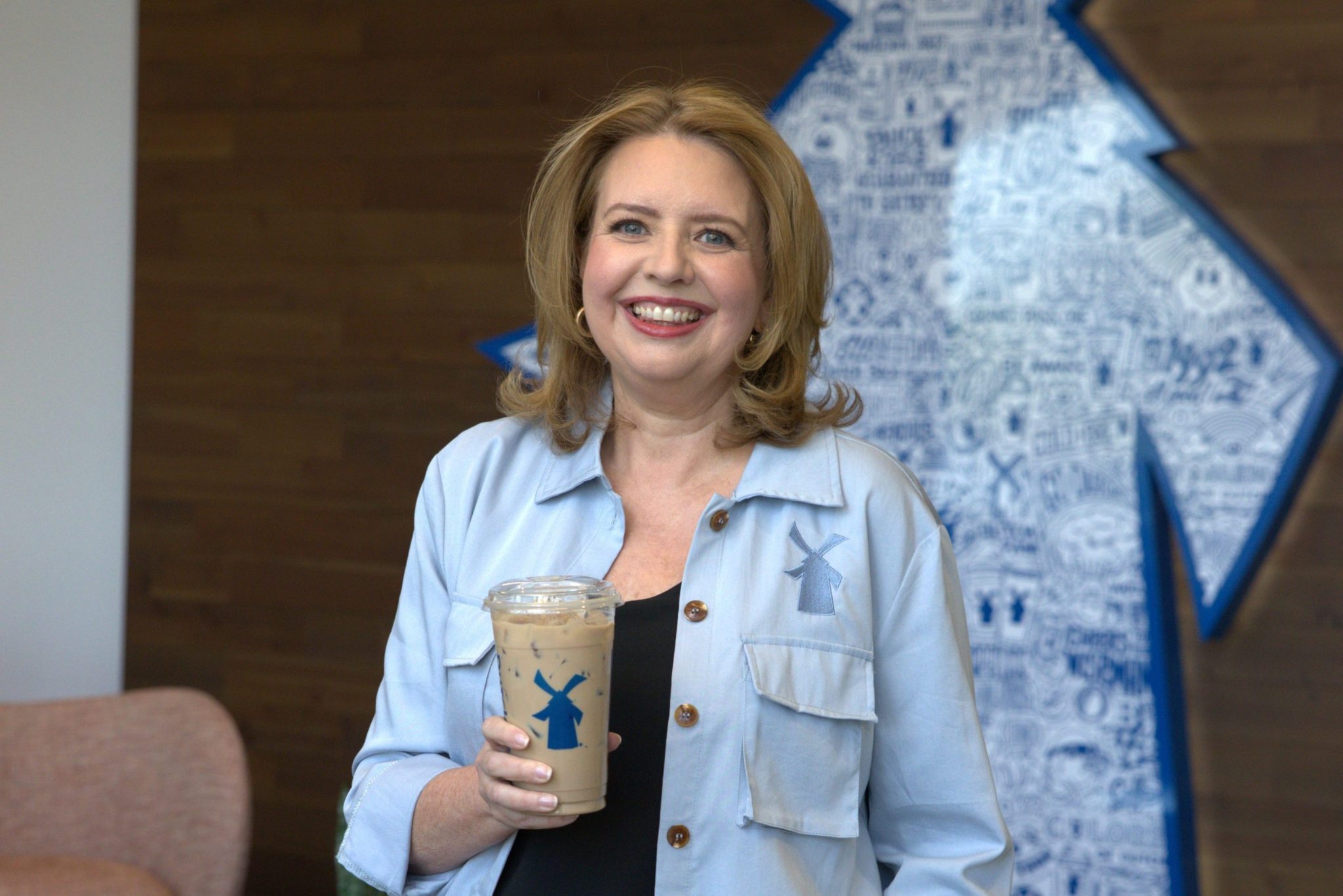
Barone and other executives undergo six hands-on shifts during the program, where they practice hospitality, memorize drink recipes, and learn the company’s standards for speed, quality, and service. The training is intended to give leaders a direct feel for the daily work of the chain’s roughly 25,000 broistas—the term Dutch Bros uses for its store employees.
One measure of the company’s culture, according to Barone, is that store teams were comfortable correcting her during training. She said employees knew she was the CEO and still pointed out when she made mistakes, a sign that teams care deeply about the customer experience.
A Test of Knowledge and Culture
The bootcamp concludes with a “Flow” test covering drink recipes, company history, shop operations, and culture. Leaders who do not pass must retake the exam. The chain says the training helps ensure consistency, so a drink like the Golden Eagle tastes the same on Monday as it does on Wednesday.
Barone linked the program to the vision of Dutch Bros founders Travis Boersma and the late Dane Boersma, who named the company after their grandparents who immigrated from the Netherlands. She said the training supports “compelling futures” at the company and creates a path for employees to advance.
Extending Training Beyond Store Leaders
As Dutch Bros has grown, the bootcamp has been rolled out more broadly across headquarters. Barone said the company was deliberate about putting marketing teams through the training, especially those involved in designing beverages and customer-facing programs. The goal is for decision-makers to understand what the shop environment actually feels like.
The emphasis on front-line experience extends to operations. Barone said operators—store or market leaders responsible for running locations—start their careers on the coffee line before moving into new markets. As they advance, they carry an understanding of front-line issues and community connections.
From Pushcart to National Chain
Dutch Bros began in 1992 as a pushcart operation in Grants Pass, Oregon, after the Boersma family’s dairy business struggled. The brothers sold their cows and started selling espresso with 100 pounds of coffee beans. A drive-thru stand followed in 1994, and two years later the company had six locations. The first franchise opened in 2000.
By 2018, Dutch Bros had 300 locations and 9,000 employees. Private equity firm TSG Consumer Partners acquired a minority stake that year to support further growth. The company later went public, surpassed $1 billion in revenue, and continued expanding.
Dutch Bros reported record revenue of $1.64 billion in 2025, up 27.9% year over year. It now has 37,000 systemwide employees and 1,273 locations across 27 U.S. states, and it aims to reach 2,029 stores in 2029. By sales and location count, it is the third-largest coffee chain in the U.S. behind Starbucks and Dunkin’ Donuts.
Keeping Culture as Headcount Grows
Preserving a home-grown culture can be difficult as companies add employees, spread across markets, and bring in outside investors. Barone said a large number of headquarters workers started as broistas, which helps senior staff make decisions with the front line in mind.
She described hospitality as the ability to think through how someone else will experience something. That empathy, she said, serves employees whether they stay at Dutch Bros or move on to other roles.