The Netflix cost in 2007 vs 2026 reveals a striking transformation in both price and value. In 2007, $16.99 per month bought three DVDs at a time and a mere 18 hours of streaming—a feature that felt like an afterthought. By 2026, that same $16.99 wouldn’t even cover the Standard plan, which now runs $19.99 monthly for unlimited ad-free streaming. The journey from a DVD-centric service to a streaming powerhouse is reflected not just in the numbers, but in what subscribers actually receive.
The 2007 Streaming Experience
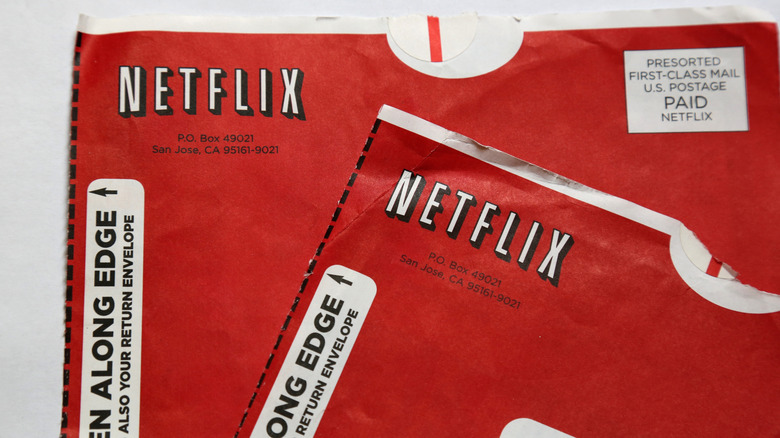
When Netflix introduced its Watch Now streaming option in 2007, it was available only to DVD subscribers. The top-tier plan at the time cost $16.99 per month and included three DVD rentals at a time plus 18 hours of streaming. For those wanting more DVDs—four or five at a time—higher-priced options provided additional streaming hours. But the streaming experience itself was limited: it worked only on a Windows PC with Internet Explorer, video quality was subpar, and the library held roughly 1,000 titles. High definition was just beginning to gain traction, and Netflix’s first original series was still five years away.
By early 2008, the top plan still cost $16.99 and now offered unlimited streaming alongside three DVDs. A budget option at $4.99 included two DVD rentals per month and two hours of streaming. Netflix also provided free unlimited streaming to any DVD subscriber on a plan of $8.99 or more, and the streaming library had grown to about 6,000 titles.
The 2011 Split and Its Impact
In 2011, Netflix separated its DVD and streaming services into distinct plans, each priced at $7.99 per month. Previously, subscribers had paid $9.99 for a DVD plan with unlimited streaming since 2010. Under the new structure, those wanting both formats faced a combined cost of about $16—a $6 increase—and that covered only one DVD at a time. Adding a second DVD cost another $4 monthly. This move marked a turning point in how Netflix packaged its offerings.
Today's Plans and Pricing
Netflix now offers three main plans. Standard with ads costs $8.99 per month and provides ad-supported access to most titles, with 1080p HD streaming and downloads on two devices. The Standard plan at $19.99 removes ads and grants unlimited access to TV shows, movies, and games, plus the option to add one extra member for $7.99 with ads or $9.99 ad-free. The Premium plan at $26.99 delivers 4K Ultra HD + HDR with spatial audio, streaming on four devices, downloads on six, and the ability to add up to two extra members at the same add-on rates.
Over the past two decades, Netflix has become known for near-annual price hikes, typically ranging from $1 to $3 per plan. Yet the value proposition has shifted dramatically. In 2007, the top plan offered three DVDs and 18 hours of streaming from a 1,000-title library, viewable only on a Windows PC in mediocre quality. Today, for $10 more than that 2007 price, subscribers get access to more than 8,000 titles, including hundreds of originals and exclusive sporting events, in pristine 4K Ultra HD with premium audio across TVs, tablets, phones, and computers.
While the price increase is undeniable, the comparison underscores how Netflix has evolved from a supplementary DVD service with a fledgling streaming add-on to a comprehensive entertainment platform. The Netflix cost in 2007 vs 2026 isn’t just about inflation—it’s about a complete reinvention of what home entertainment means.