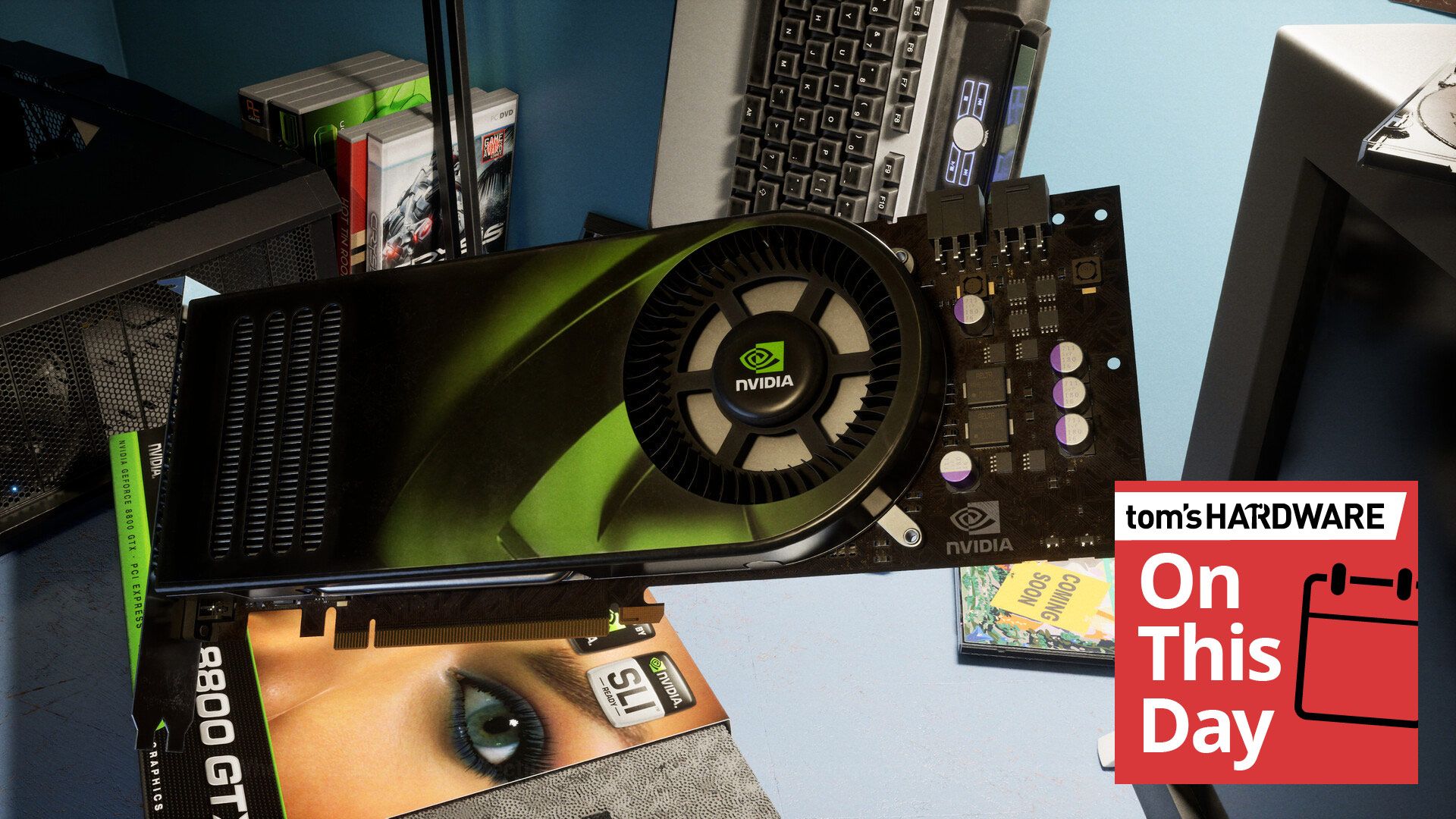
Two decades after the GeForce 8800 GTX and 8800 GTS arrived on store shelves, Nvidia is marking the GeForce 8800 GTX 20th anniversary with a free interactive demo on Steam. The tribute, titled GeForce 8800 GTX – 20 Years of a Legend, is a semi-interactive, path-traced unboxing experience built by senior special effects artist Dylan Browne. It is also a showcase for how far graphics hardware has traveled since 2006, because running it comfortably now calls for a graphics card from the RTX 40 or 50 series.
A Celebration That Needs a 2026 PC
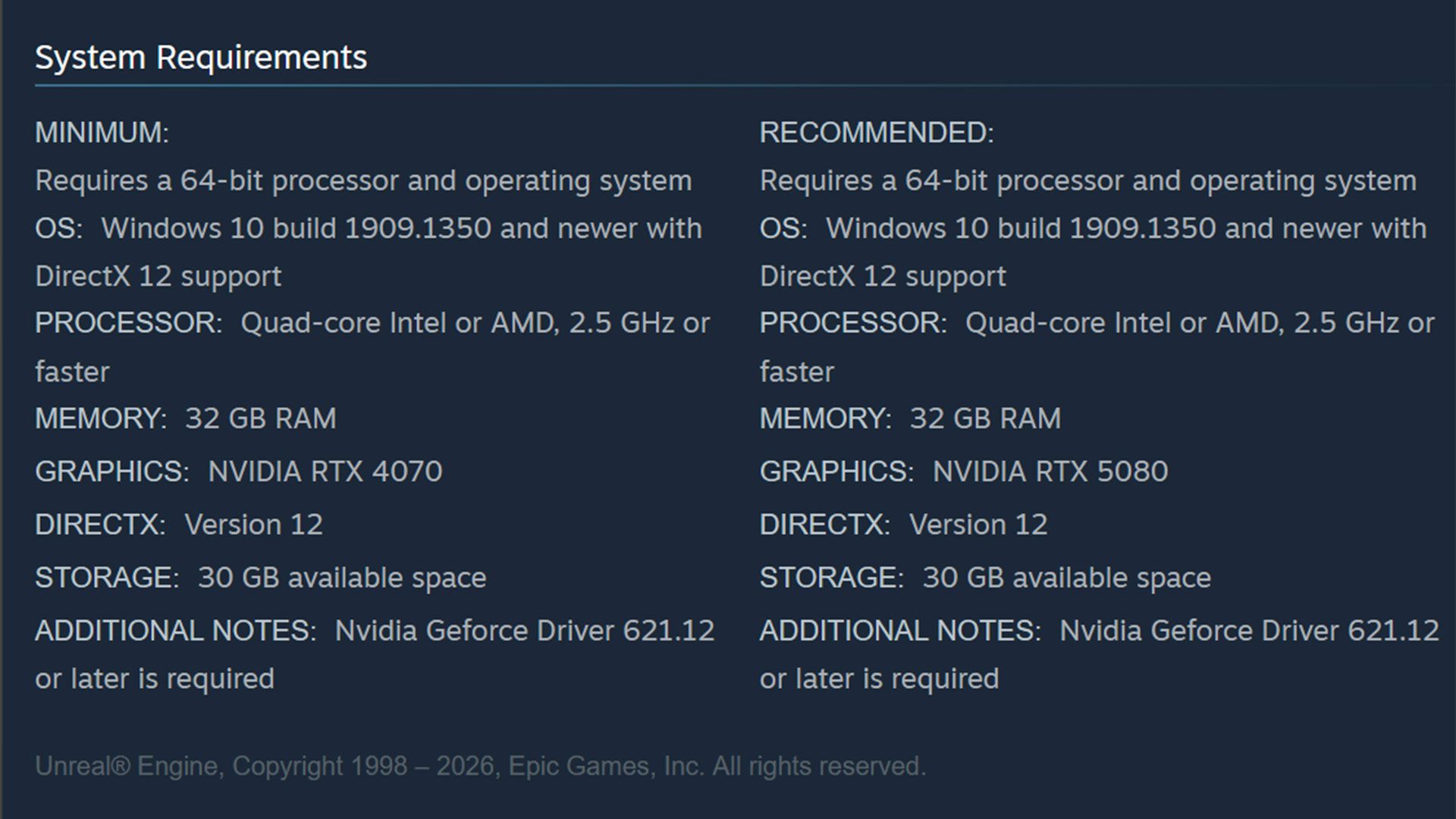
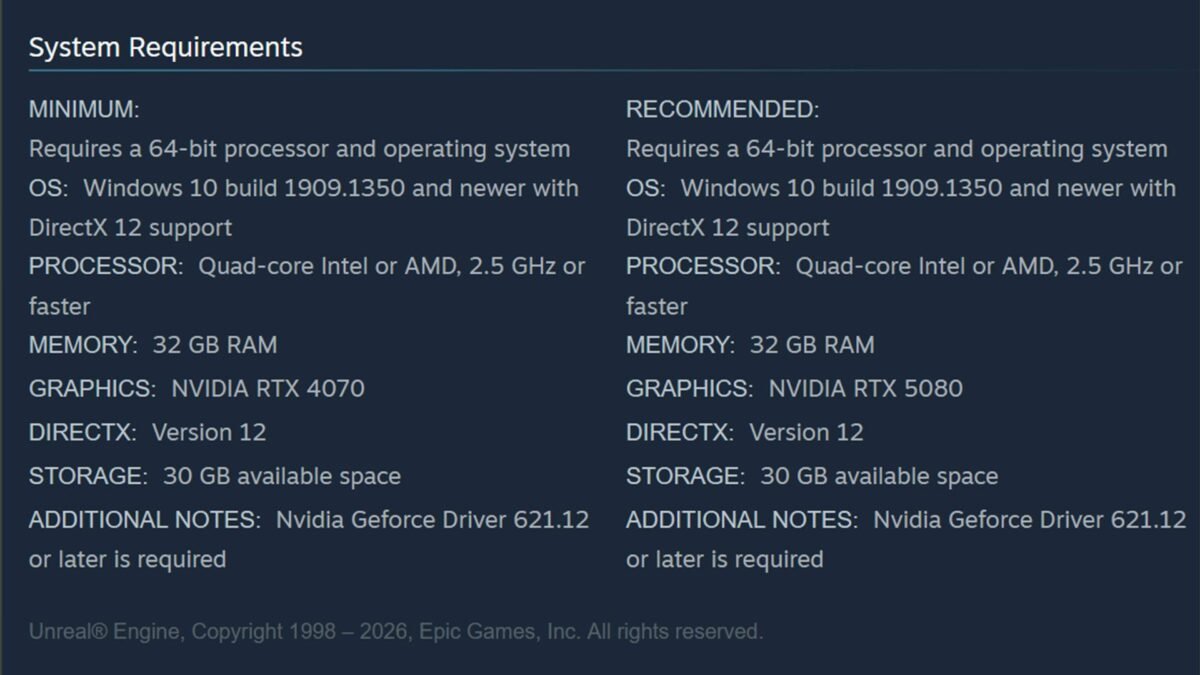
The Steam listing sets an RTX 4070 as the minimum for acceptable performance. Nvidia recommends an RTX 5080, along with 32GB of RAM and 30GB of free storage. Those requirements stand in sharp contrast to the demo’s subject: a card that launched at $599 and helped usher in the DirectX 10 era. The software leans on the latest rendering techniques from Nvidia, including DLSS 4.5 with Dynamic Multi Frame Generation, Ray Reconstruction, path tracing, and Mega Geometry.
Browne, who frequently works with Unreal Engine, built the experience in that engine. Nvidia describes the result as delivering era-appropriate graphics, though the hardware needed to display them is anything but period-correct. Anyone who would rather skip the installation can watch an embedded video of the demo instead.
More Than a Box to Poke
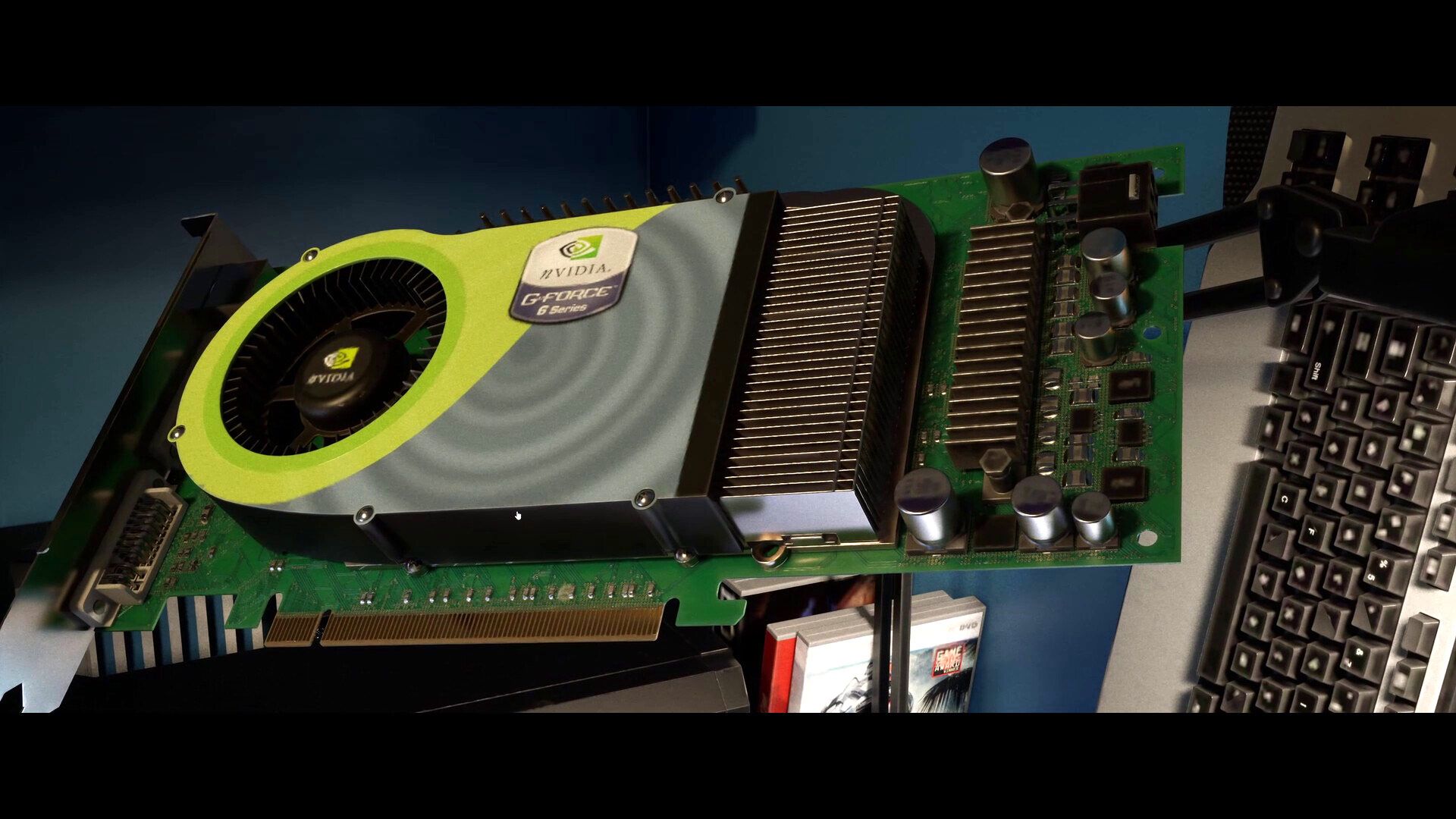
The demo invites users to look around and handle a virtual box, then install the shiny new GPU into an era-accurate PC tower. Hidden Easter eggs are also promised for those who explore beyond the main task. The setting appears to include a PC running Windows Vista, an operating system that reached retail a few months after the 8800 GTX launched. The card and Vista would later coexist in many households, with buyers installing the 8800 GTX and 8800 GTS into Vista machines from 2007 onward. Crysis arrived on PCs in late 2007, a year after the G80 architecture debuted.
The Card That Opened the DirectX 10 Chapter
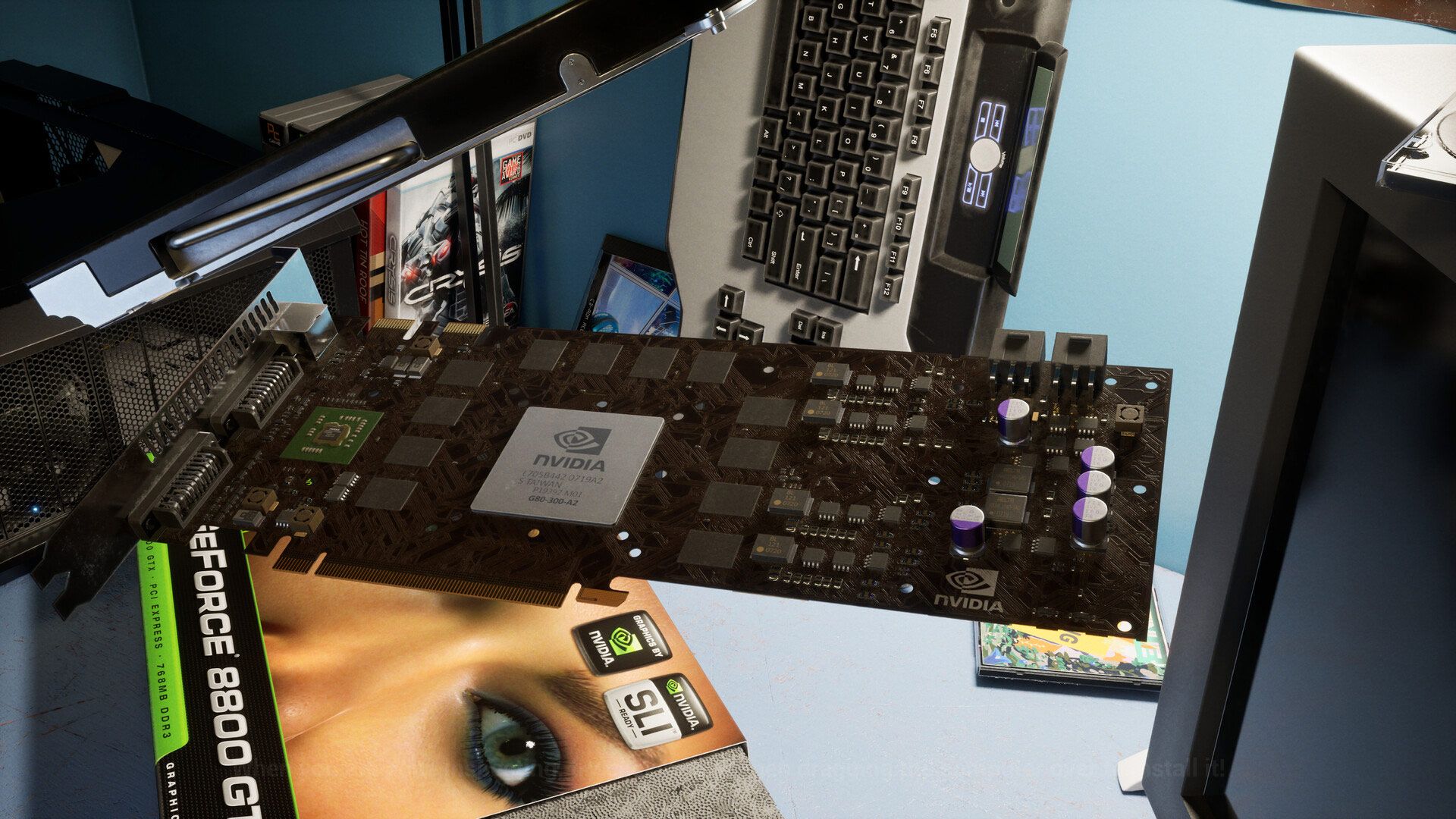
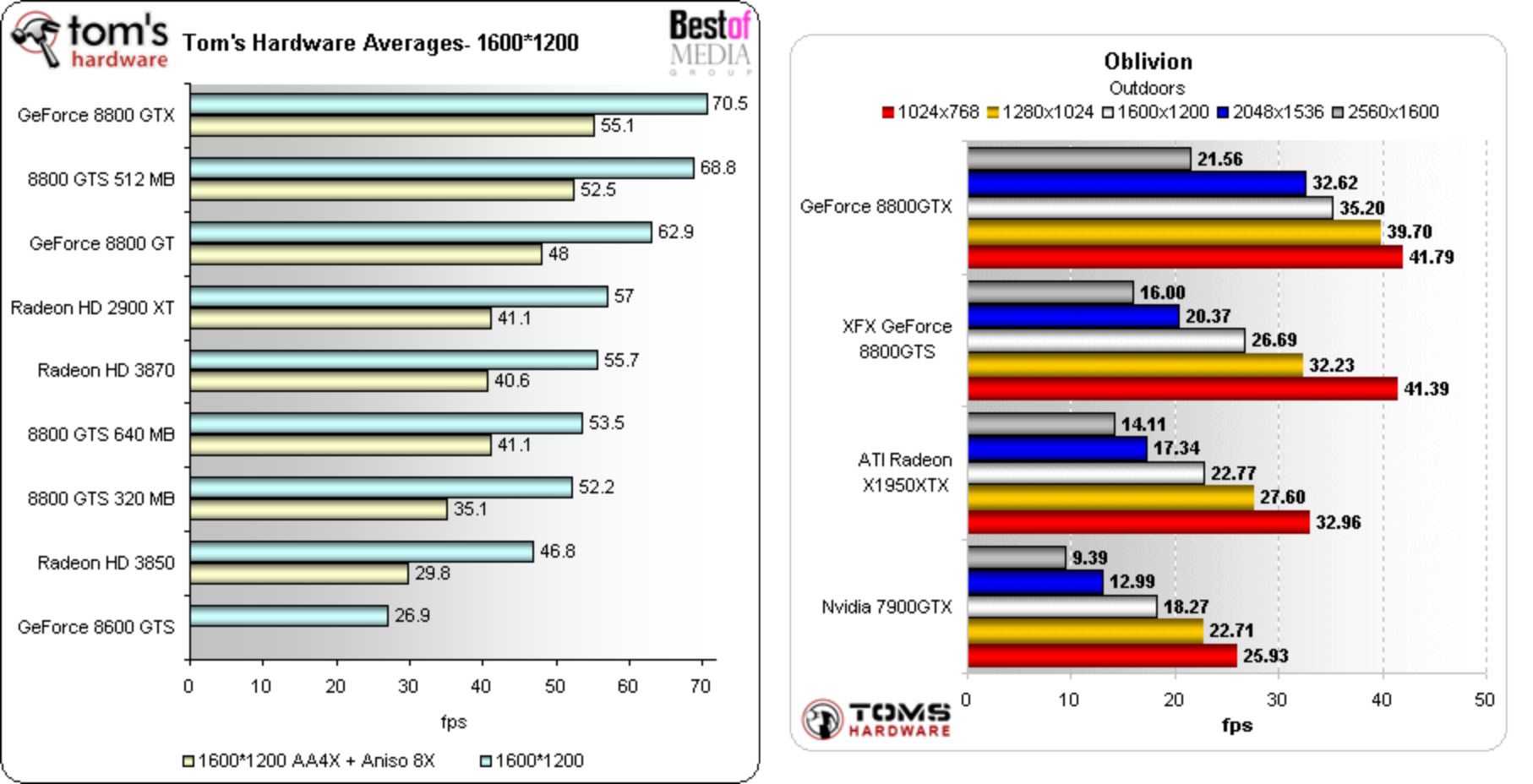
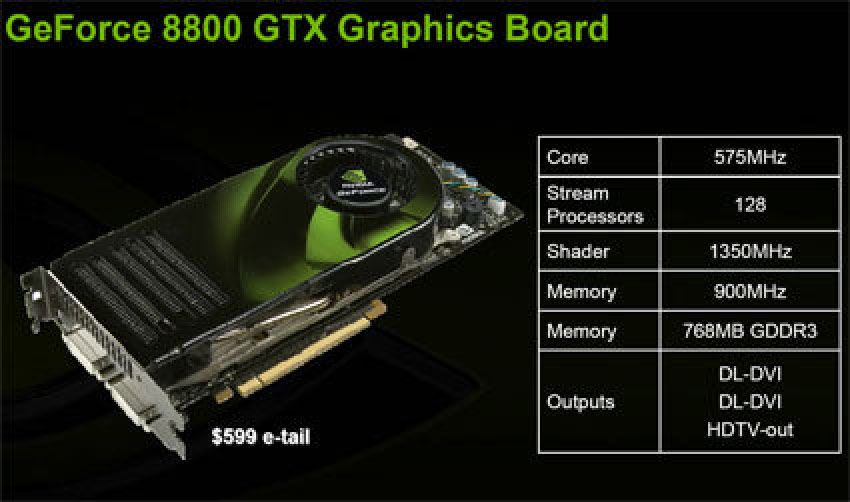
Nvidia released the GeForce 8800 GTX and 8800 GTS on the same day in 2006. The flagship GTX carried 128 shader units and cost $599, while the GTS had 96 shader units and cost $449. Both spearheaded the DirectX 10 generation, accelerating existing titles and enabling new visuals in DX10 software. Contemporary reviews of the pair described them as amazing for their performance at the time and for their DX10 promise. The G80 architecture was also seen as significant for bringing CUDA to consumers, opening the possibility that a GPU could become much more than a frame-rendering device.
Driver support for the 8800 GTX and GTS eventually ended about a decade later, by which point DirectX 11 hardware and games had become mainstream. That left the older designs unable to keep up with the latest AAA PC titles. The anniversary demo, meanwhile, is available now on Steam at no cost, provided your machine can meet its demanding specifications.