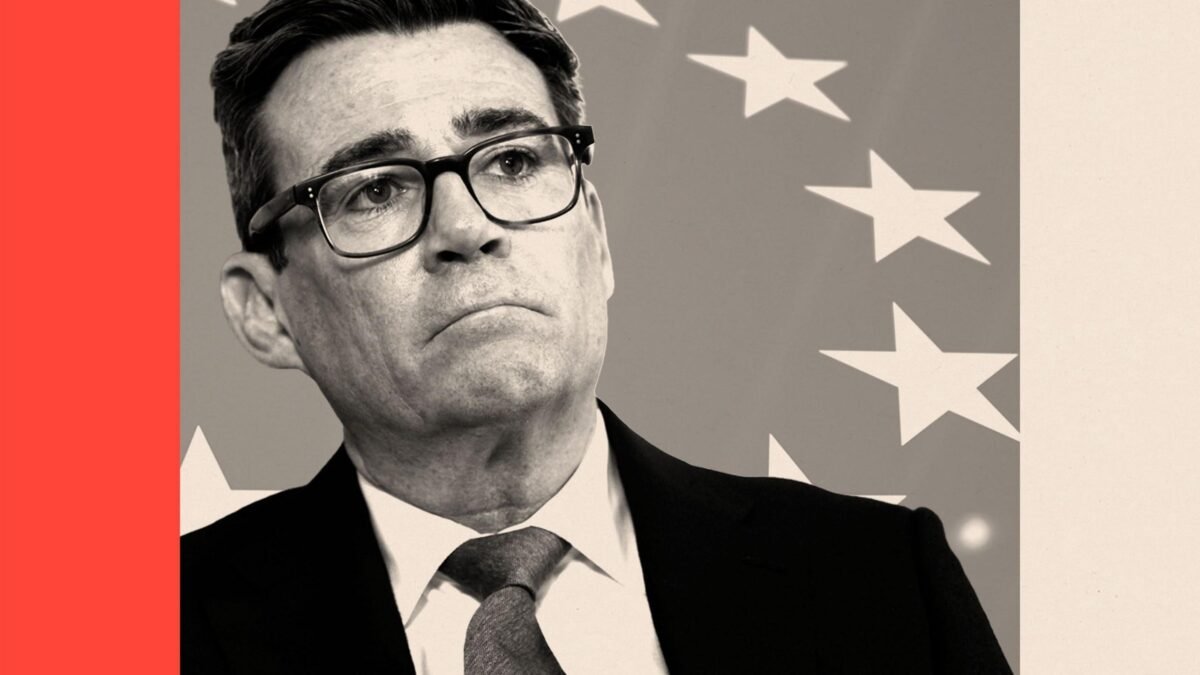
When Andy Burnham meets EU leaders in Brussels on 20 November for the second annual EU-UK Summit since withdrawal, the immediate agenda is modest: food labelling, emissions trading, youth visas. But the political backdrop is anything but modest, and the prime minister’s broader ambition for closer Andy Burnham EU ties is already drawing warnings from both sides of the Channel.
A deal months in the making

The agreement expected to be signed at the summit has been largely settled for months, despite repeated delays. Originally pencilled in for May, then July, the package was pushed back by political upheaval. One source familiar with the talks said negotiators are roughly 90% of the way there.
The outline reflects the “closer alignment” Keir Starmer championed at the start of the year. It includes measures to ease life for food producers, an emissions trading deal that could help manufacturers, and new youth visa arrangements. On the visa numbers, the two sides remain apart: the EU has proposed a cap of 150,000, while the UK has suggested 50,000. An EU source close to the process described the atmosphere as “very tense” but expected a compromise. A late EU request to cut tuition fees for its students is likely to be set aside for further discussion.
Rules, costs and the salty-snack row

The prime minister has acknowledged that closer ties mean following more EU rules. Speaking to the BBC’s business editor, Simon Jack, he said: “That’s where we’ve ended up.” The government points to estimates that closer ties without rejoining could add 0.4% to GDP. Yet the tabloid-friendly dispute over smoked bacon crisps, like earlier rows over bendy bananas and sausages, illustrates the political awkwardness of aligning with a bloc the UK has left.
Barnier's warning: no à la carte

Michel Barnier, the EU’s former Brexit negotiator, has cautioned that the UK cannot pick and choose its relationship. In an interview, he said rejoining would mean forgoing the UK’s rebate and accepting freedom of movement as the price of single market membership. One government figure described dealings with the EU as featuring “lots of very warm words, but quite a lot of arms folded”. An EU insider said the mood had changed: there is scope to get closer, but nobody wants it to become toxic, and questions remain about whether the prime minister knows what he is doing.
Domestic pressures on multiple fronts

Burnham has suggested that rejoining the EU is his long-term ambition, a position that resonates with many Labour activists and with the Lib Dems, Greens, SNP and Plaid Cymru. Polling cited in the source indicates a majority of voters support going back in. Former chancellor Rachel Reeves and London mayor Sadiq Khan are among prominent supporters of a return.
But the risks are considerable. Labour is divided, and one former minister said that while the prime minister wants to go back in, it is a hazardous route, with no guarantee that the party’s pro-European rank and file would stay united if the issue blew open. A cabinet minister reacted with visible exasperation when asked about another referendum. The Conservatives and Reform are already attacking the expected deal. Kemi Badenoch accused the prime minister of unpicking the settlement and of having revealed his negotiating hand, while Reform’s Richard Tice said his party would never let what he called a betrayal go unchallenged.
Business support is also less solid than it once was. One prominent business figure noted that a langoustine exporter or a car manufacturer might welcome rejoining, but financial services have already spent money adapting and may not want to unpick arrangements. The Czech prime minister, asked whether he would like the UK back, said yes and added that more money was needed.
A gamble with history as a warning

The prime minister is relatively popular and confident in his communication, but the cautionary tale is David Cameron, who sought to reset the UK’s relationship with the EU a decade ago and saw his leadership undone by the fallout. The summit’s outcome will offer Burnham, and the country, an early taste of what lies ahead.