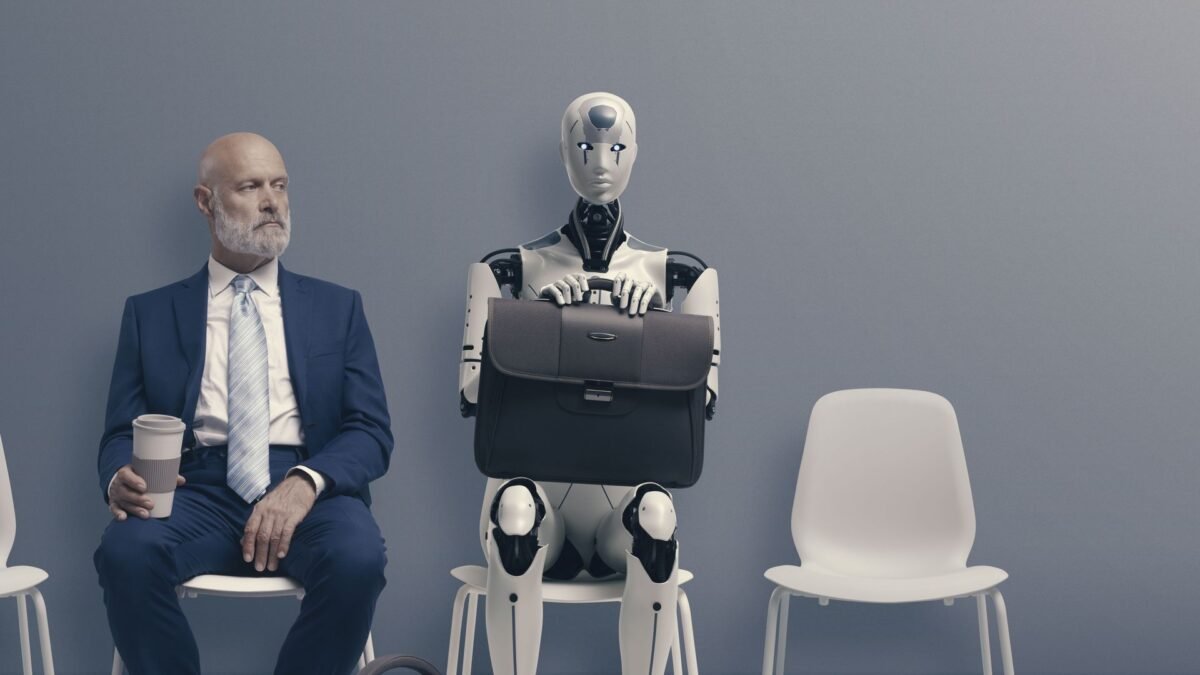
AI interviews are emerging as a quiet source of friction in hiring, and the candidates most likely to walk away are those who already have a paycheck. Research from Use.AI, surveying job seekers across the UK, US, Canada, the European Union and Latin America, found that nearly three in ten employed respondents had pulled out of a hiring process after learning it involved an AI interview. Among unemployed candidates, that figure was just 14%.
The gap points to something simple: people with financial security can afford to be picky about how they are evaluated, while those without work are more likely to tolerate a format they may not prefer.
What the Survey Found
Use.AI’s study covered 6,731 people. The exact withdrawal rates varied by region, but the same split between employed and unemployed job seekers appeared across every market examined. That consistency suggests the pattern is not a local anomaly but a broader signal about how candidates respond to automated screening.
The company’s findings indicate that a job seeker’s willingness to sit through an AI interview depends on several factors, including financial security and the number of other opportunities available. For someone with a current role, a lengthy automated process may feel like an unnecessary gamble. For someone without one, it can look like a necessary step.
Among respondents who had attended an AI interview despite reservations, 58% said they would refuse such a process if they had other jobs lined up.
Why Automated Interviews Turn People Off
Most advertised jobs today already involve some form of AI filtering to help employers identify candidates. The businesses that go further and remove human interviewers from the process may be making a costly mistake, according to the research.
Matthew Freire, Managing Director of Use.AI, said employers invest significant effort in checking whether their screening systems evaluate candidates fairly. He argued they should be just as concerned with who decides to enter those systems at all. Offering applicants an alternative route to a human interviewer, he suggested, would let companies examine whether the format itself is shaping who remains available for consideration.
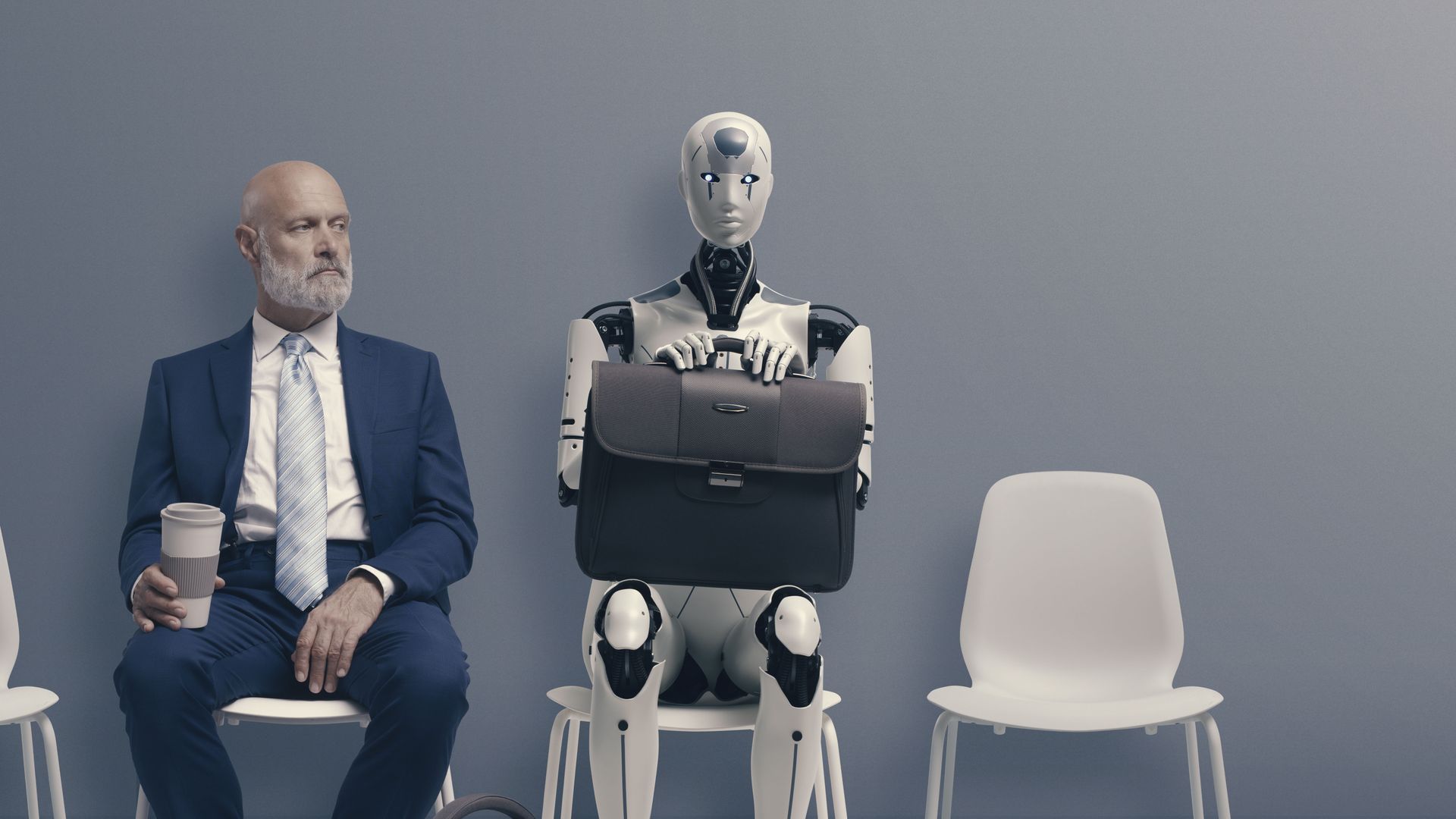
The concern is not only about fairness. Interviews often rely on rapport, body language and the small signals that pass between people in a room or on a screen. When the questioner is not a person, those cues disappear. A programmed system may present questions clearly and appear polished, but it cannot demonstrate or assess the ability to build an instant working relationship.
The Business Cost of a Detached Process
Replacing hiring experts and people who know the job with automated interviewers may have saved time and money in the short term. But if candidates do not want to be hired by a company that relies on AI interviews, the research suggests those savings can backfire. Productivity is lost along with profit when the best candidates opt out.
Recruitment agencies are also using AI interviewers, not just potential employers, which widens the reach of the format. For job seekers who depend heavily on facial signals and in-person chemistry, the application process becomes increasingly difficult to navigate.
The survey results do not suggest that all AI screening is rejected. They do show that the decision to participate is not evenly distributed. Candidates with options are using those options, and companies that rely on automated interviews may be filtering out people before a human ever sees them.