Amazfit smartwatches have carved out a niche as affordable alternatives to pricier wearables, but the savings come with clear compromises. The brand, owned by Chinese company Zepp Health, produces a range of models aimed at casual users and serious athletes alike. Prices can be low—the well-reviewed Amazfit Bip 6 has been available for as little as $80—yet the watches still pack features like AI-powered coaching, extensive sport modes, and multi-week battery life. The catch lies in the software: a proprietary operating system restricts app access, and some models offer limited storage.
Where Amazfit Excels
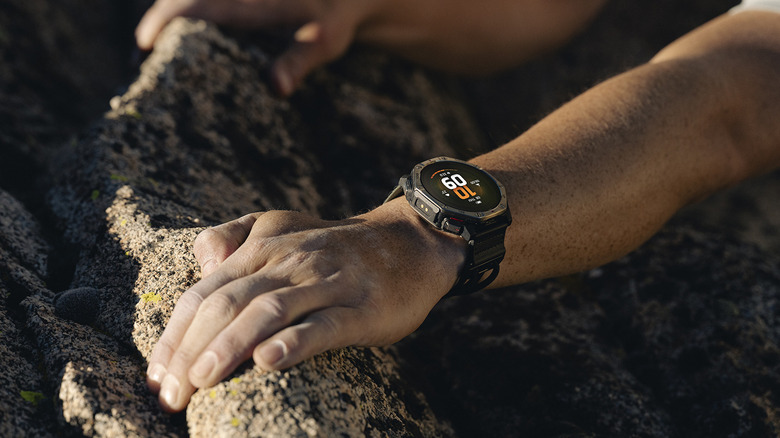
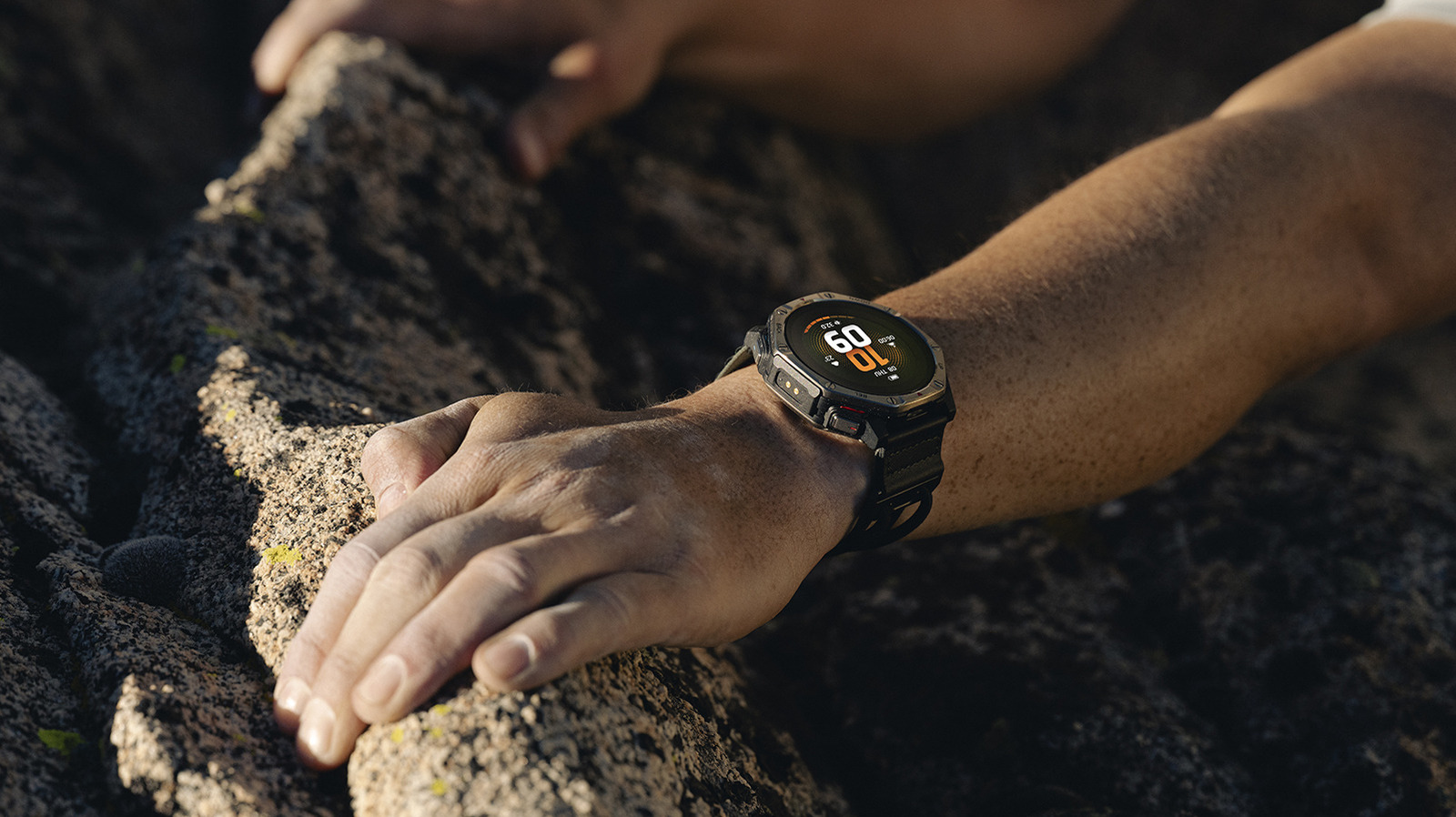
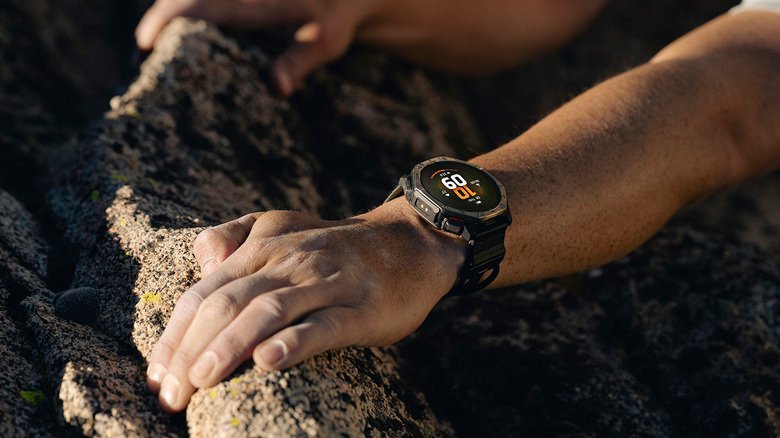
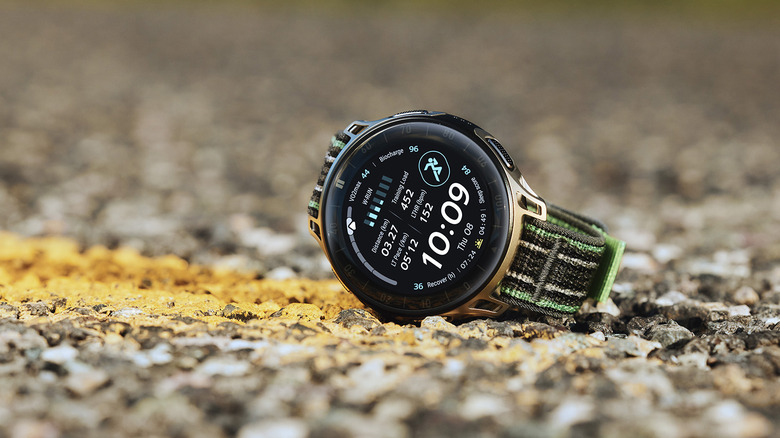
One of the most appealing aspects of Amazfit smartwatches is their design diversity. Square models like the Bip 6 and Active 2 (Square) echo the Apple Watch look, while round faces such as the Active Max and T-Rex 3 cater to different tastes—the T-Rex 3 in particular is built for outdoor adventurers and resembles a Garmin watch.
Cross-platform compatibility is another plus. Because Amazfit uses its own OS, the watches pair with either iPhone or Android, so switching phones doesn’t mean abandoning your device. This flexibility is rare among budget wearables, which often lock into one ecosystem.
Health and fitness features are a strong suit. The watches include sensors for heart rate, sleep, temperature, GPS, and more. Over 100 sport modes cover activities from strength training and running to gardening and Tai Chi. Amazfit’s AI Coach, powered by Zepp Coach, provides software-driven insights, and integrations like Bluetooth calling and Alexa support round out the package. Crucially, there’s no subscription fee for any of the data the watches track and report—a contrast to some competitors that charge for advanced analytics.
Battery life is another headline advantage. Some Amazfit models last up to 25 days per charge, far beyond what typical smartwatches deliver. For users who prioritize endurance over app ecosystems, that’s a major draw.
The Compromises to Consider
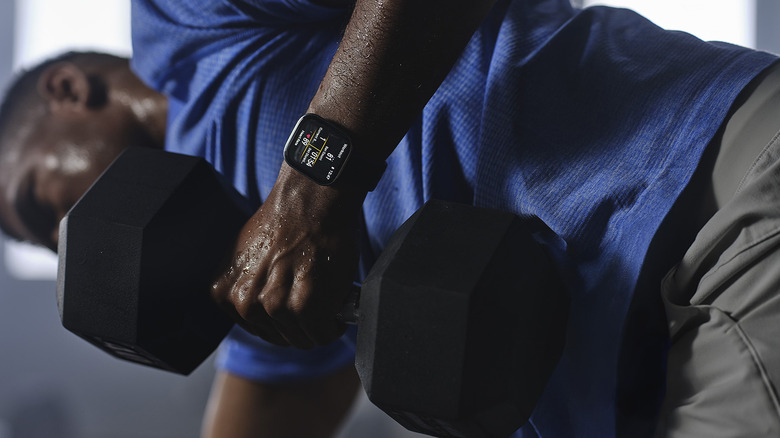
The biggest limitation is the proprietary Zepp OS. Unlike Wear OS watches, Amazfit devices can’t access the full range of third-party apps. The Zepp Store offers only a handful of productivity apps and games. You won’t find Google Wallet, Google Maps, Uber, Starbucks, Gmail, or banking apps. Spotify is absent too, though you can control phone playback from the watch or use a remote app to mirror Spotify on the device. The watches do integrate with platforms like Strava, TrainingPeaks, Komoot, and Runna, so fitness-focused users aren’t entirely cut off.
Software navigation can feel less intuitive than on better-known brands. Amazfit uses unfamiliar terms like PAI (a personal activity score) and Biocharge (a readiness score), which may confuse newcomers. Some models have limited storage—the Bip 6, for instance, has just 512MB—which could constrain workout data or app storage.
Longevity is another factor. Amazfit provides only three years of software and security support for its smartwatches. The watches won’t stop working after that, but if you plan to keep a device for many years, it’s worth factoring in.
Who Should Consider Amazfit?
Amazfit smartwatches make sense for buyers who want reliable health tracking, long battery life, and sleek designs at a low price, and who can live without a rich app ecosystem. They’re a step up from basic fitness trackers, with larger screens for at-a-glance information and wrist-based control. For those who prioritize intuitive software and broad app support, affordable models from Fitbit or Garmin—or even older Samsung Galaxy Watch or Apple Watch models—might be a better fit, even if those devices are nearing the end of their software support.
In short, Amazfit smartwatches deliver solid value with a few caveats. Knowing what you’re gaining—and what you’re giving up—is key to deciding whether one belongs on your wrist.