
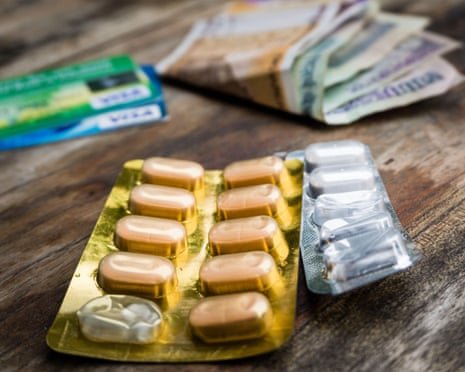

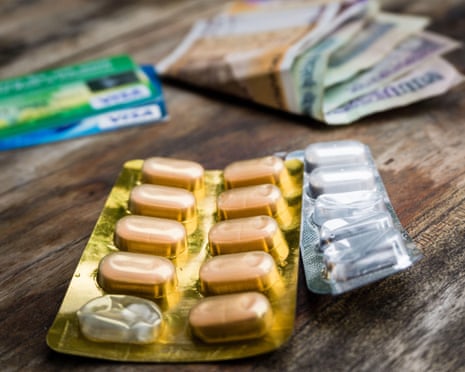
India cancer drug price cap will soon bring relief to thousands of patients as the government imposes a 30% trade margin ceiling on 137 cancer medicines, with prices expected to drop by as much as 70% starting next month. The decision follows sustained pressure from the Supreme Court, which intervened after a patient petition highlighted extreme mark-ups in the supply chain.
From a Kerala Courtroom to the Supreme Court
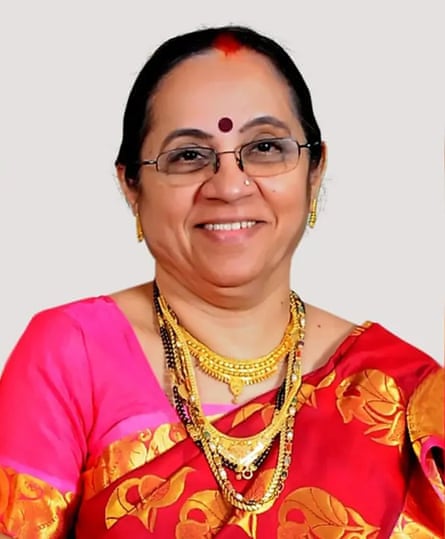
The case began with Sarojam Radhakrishnan, a retired bank clerk from Kerala who was diagnosed with breast cancer in 2021. Her monthly treatment cost exceeded 63,000 rupees, prompting her to file a petition in the Kerala High Court in 2022 demanding government intervention. Radhakrishnan died in September 2022, before the case reached its conclusion.
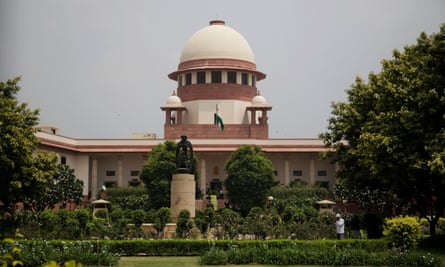
Her petition eventually reached the Supreme Court, where Justices Vikram Nath and Sandeep Mehta examined the mark-ups applied by hospitals and retailers. The judges described the pricing practices as “carnage” and “extortion,” according to the brief.
What the Numbers Revealed
The National Pharmaceutical Pricing Authority (NPPA) analysed trade mark-ups and found an average of 170% on some cancer drugs, with some exceeding 700%. In one example cited in the brief, a drug supplied at 2,700 rupees was sold at 27,000 rupees.
The government’s decision extends the 30% trade margin cap to 137 additional drugs. A similar cap already applied to 42 cancer medicines. The Department of Pharmaceuticals estimates annual patient savings of 2,500 crore rupees from the expansion.
Cancer drug prices in India range from 38,000 to 380,000 rupees, placing comprehensive treatment out of reach for many families. One dose of Kadcyla, a breast cancer drug, costs 500,000 rupees, and patients may need up to 14 doses.
The Human Cost of High Prices
India records approximately 1.56 million new cancer cases annually, up from 1.39 million in 2020. Healthcare spending pushes about 55 million Indians below the poverty line each year, and cancer treatment costs often force low-income patients to forgo care or sell assets.
Krishan Kalra, a former council member at the Rajiv Gandhi Cancer Institute, said people avoid diagnosis because they fear the cost of treatment. Dr Ravi Kannan, a surgical oncologist and director of the Cachar cancer hospital in Silchar, Assam, noted that families often start treatment but cannot sustain the expenses.
Ayushman Bharat, the government insurance scheme, provides 500,000 rupees in annual family cover, but that amount can be exhausted by a single dose of some drugs.
Broader Questions Remain

The Supreme Court has asked the government to explain why the margin cap applies only to cancer drugs and whether it should be extended to all non-patented medicines. The government’s response is due by 27 October.
Jyotsna Singh, co-convener of the Working Group on Access to Medicines and Treatments, called for a total overhaul of the healthcare system and greater transparency in the supply chain. She also warned that companies and hospitals may seek legal loopholes or raise other charges to offset the drug price cuts.
The price reduction takes effect next month, but the exact list of the 137 drugs has not been provided, and enforcement mechanisms remain unclear. For patients like Radhakrishnan, the change comes too late. For others, it may ease a crushing financial burden.



[…] India Caps Trade Margins on 137 Cancer Drugs After Supreme Court Scrutiny […]