The promise of de-Googling on the /e/OS Fairphone sounds straightforward: a repairable handset, a privacy-first operating system, and no Google services baked in. After a month of living with the /e/OS Fairphone 6 Plus, though, the experiment ended where it started — back on a standard Android phone.
The appeal was obvious. Google touches nearly every part of daily digital life, from search and email to calendars, passwords, two-factor authentication and video. The /e/OS build of the Fairphone 6 Plus, sold exclusively through Murena for $699.99 / £583 (around AU$1,009), is meant to break that grip. It strips out proprietary Google services, tracking and preinstalled Google apps, while remaining a fork of Android so that many Android-compatible apps still work.
What de-Googling actually asks of you
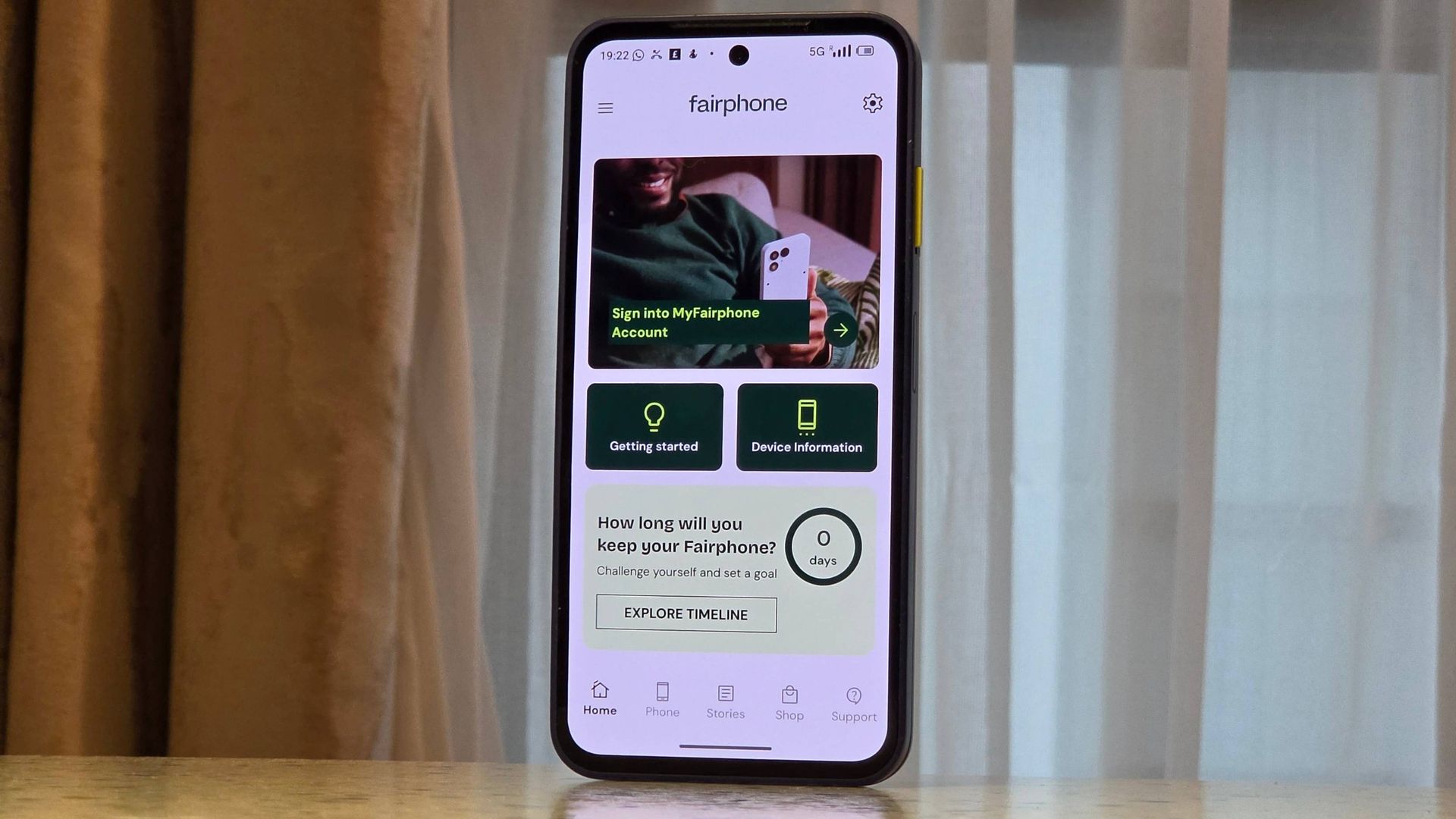
De-Googling is not simply switching to Apple. iPhones can run most Google services, and the point of this approach is to choose hardware and software with stronger privacy protections and less data tracking. For some, it also means moving away from US-produced technology altogether, a goal that has gained attention as the US government has sanctioned International Criminal Court lawyers and restricted their access to essential online services, and as earlier efforts sought to bar non-US citizens from top-tier AI models.
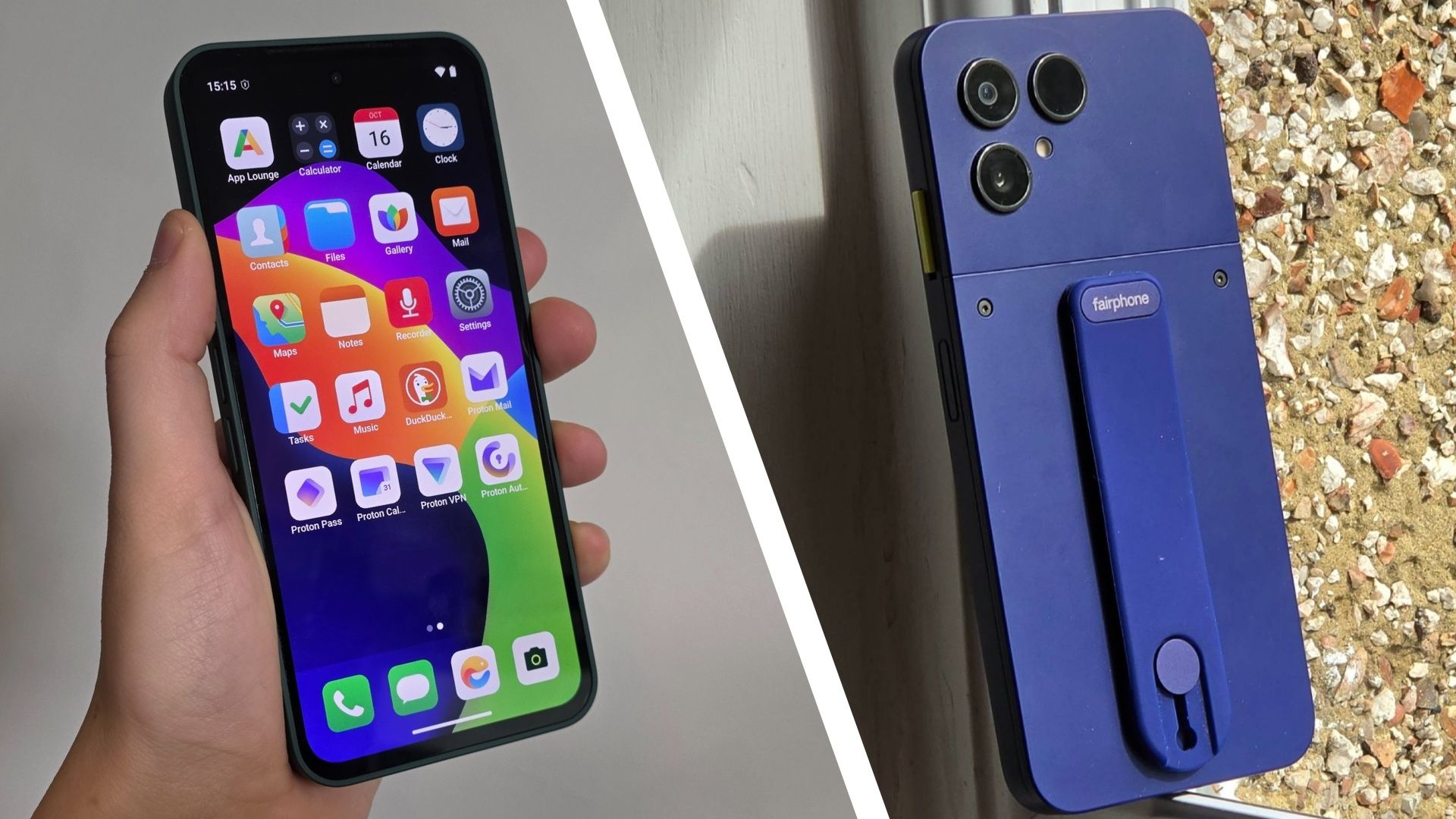
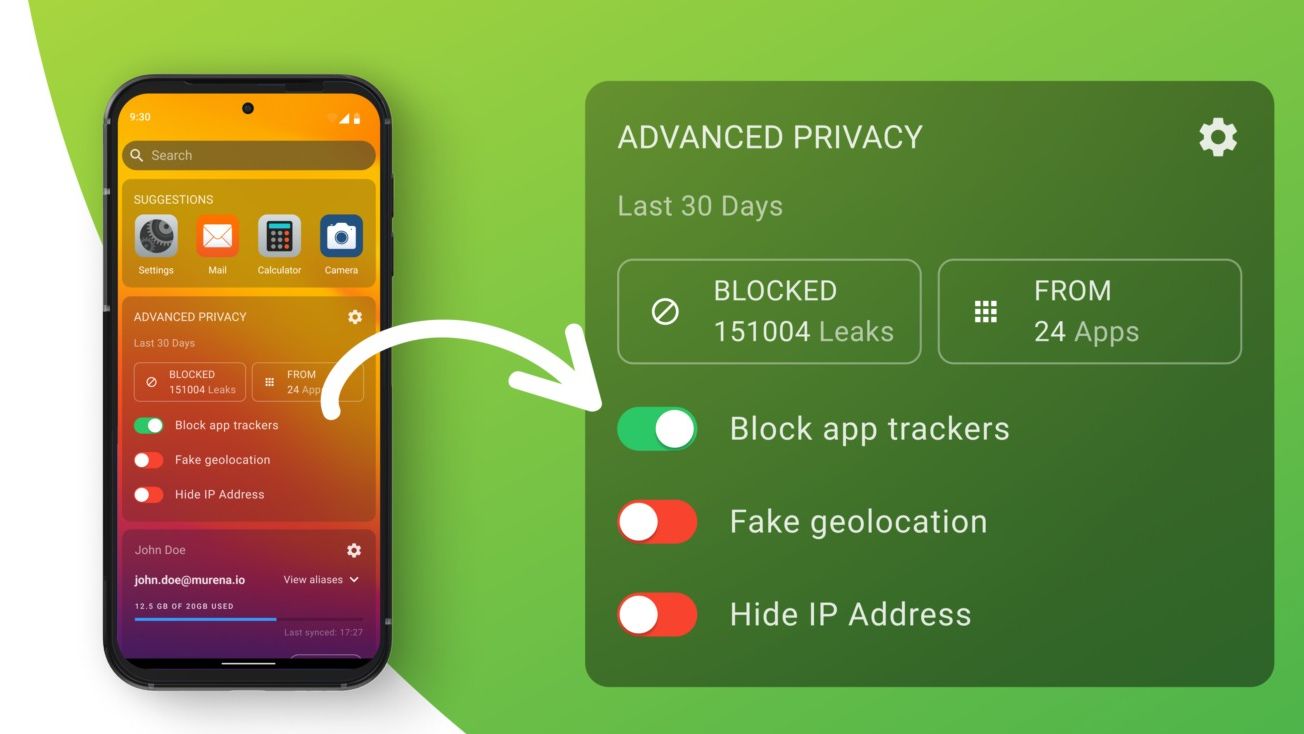
In practice, the test involved using the Fairphone 6 Plus as a daily driver, changing the default search engine to DuckDuckGo and installing services such as Proton for email. The /e/OS App Lounge, the built-in app store, could be accessed without a login, which kept activity more anonymous. The Advanced Privacy widget was a genuine highlight: it can block in-app trackers, hide the IP address and disguise location on the fly, and it displays how many data leaks were blocked over the previous 30 days. Proton’s encrypted mail service was usable on a free tier, keeping costs roughly level with the previous Android phone, even if the service was more limited.
Where the friction sets in
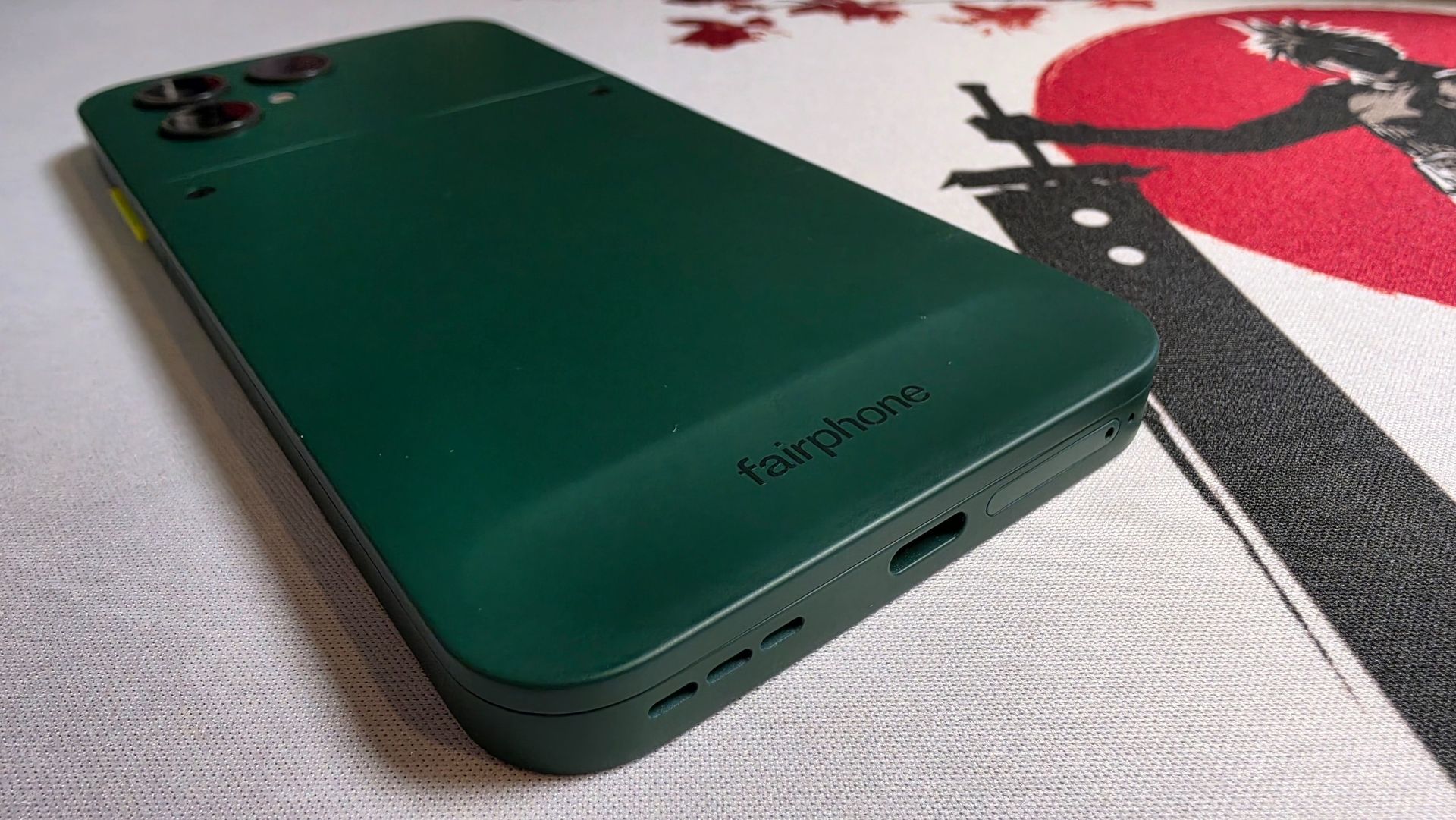
The early wins did not last. /e/OS lacks some basic Android conveniences, including the ability to arrange apps freely across home screens. Instead, apps fill pages automatically in the manner of Apple’s iOS, with only folders and reordering available. Others have reported similar frustrations with the App Lounge, and finding navigation apps comparable to Google Maps remains difficult. Most alternatives lack the coverage and public transport integration that make Google Maps dependable, although that was less of a problem outside a major city.
Cost is another sticking point. Proton’s free tier is limited, and matching the experience Google provides at no charge would mean paying $12.99 / £10.39 / AU$20.79 a month, or the equivalent of $9.99 / £7.99 / AU$15.99 if billed annually. That adds up at a time when budgets are tight — and the Fairphone itself is not cheap.
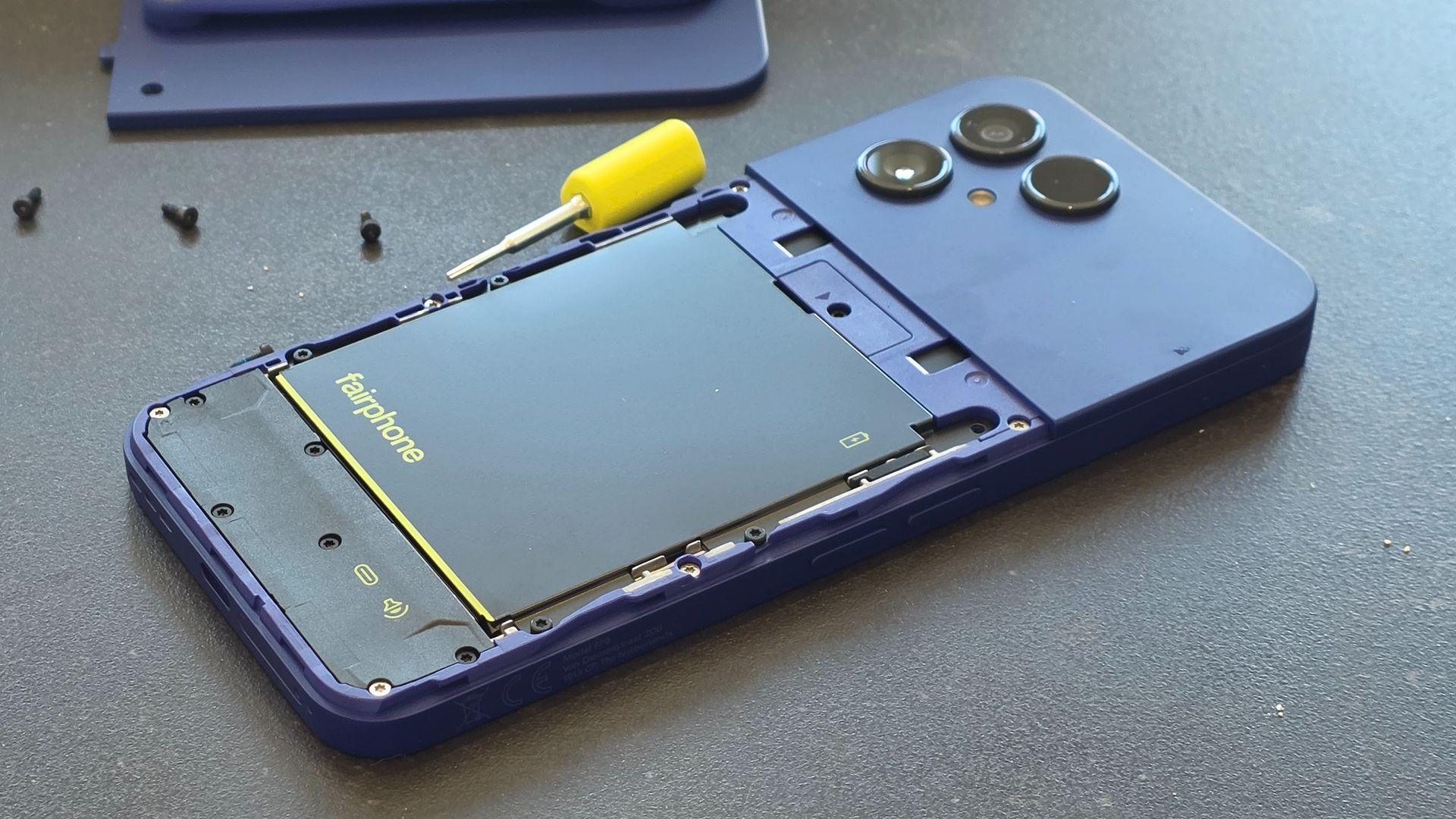
Hardware added its own frustrations. The Fairphone 6 Plus is modular and easy to repair, and its eco-friendly construction deserves credit. But its chipset felt sluggish and its cameras were good rather than great, prompting repeated longing for a flagship Android phone such as the Samsung Galaxy Z Fold 8 Ultra. The Snapdragon 7s Gen 4 chipset starts slowly before finding its feet in general use, and regular access to top-tier Android devices may have raised expectations. Even so, de-Googling on this phone felt like a double burden: software inconvenience plus hardware compromise.
Caught between two paths
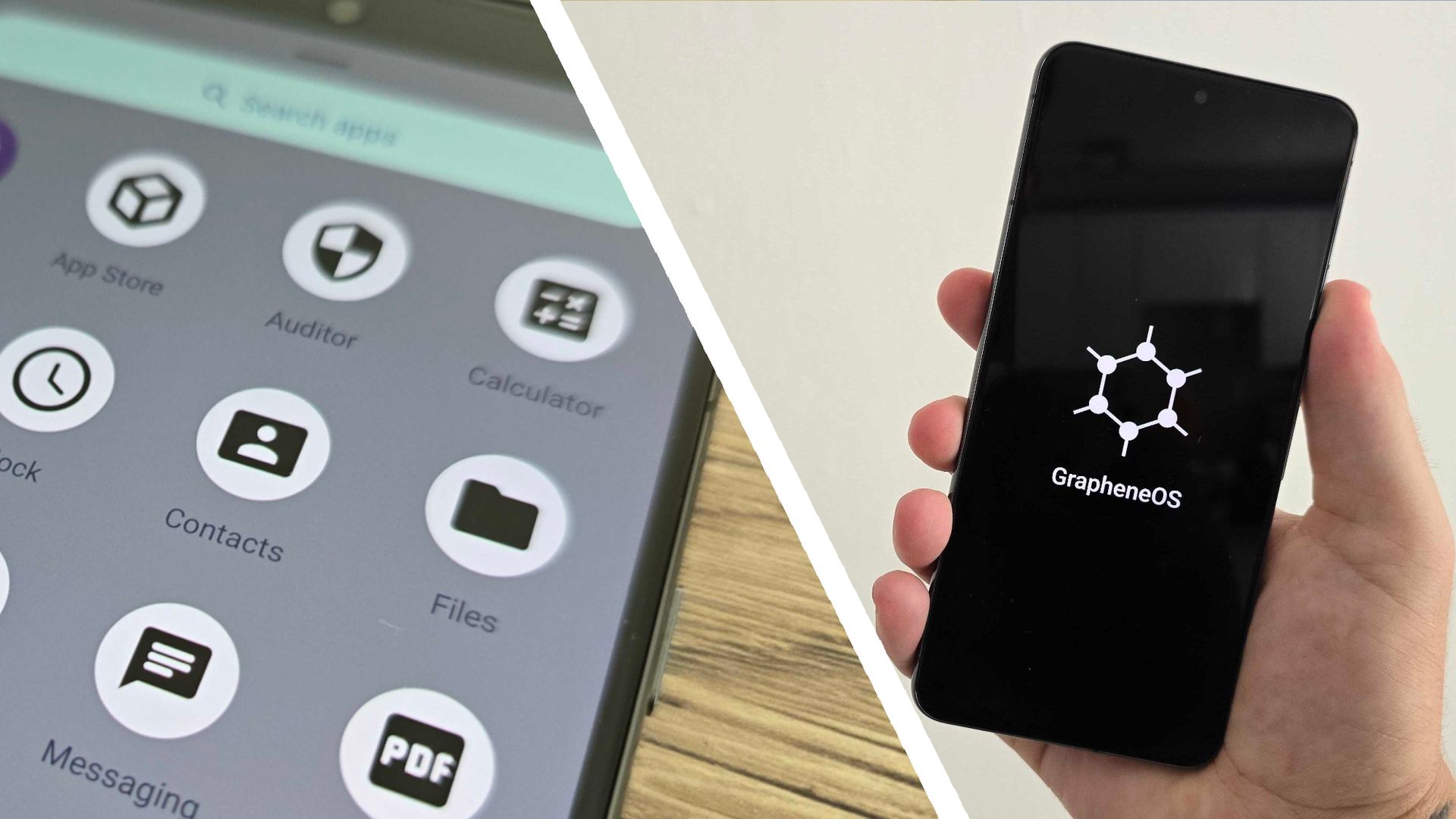
The deeper problem is that de-Googling is full of friction points, and people tend to respond to that friction in one of two ways. Those willing to hunt for app alternatives and change hardware are often also willing, and technically confident enough, to install GrapheneOS on a Google Pixel. That combination has drawbacks, but its privacy features are more robust than those in /e/OS, and newer Pixel models such as the Pixel 10 Pro and Pixel 10a outperform the Fairphone 6 Plus on hardware — with the Pixel being the only Google involvement in the setup.
Those seeking an easier route can switch to Apple. The company makes bold privacy promises, even after its push into AI, and while an iPhone would not count as de-Googling in the strictest sense, it is a slightly better option than a regular Android phone for the mildly privacy-conscious.
That leaves the /e/OS Fairphone 6 Plus stranded between the two. Its privacy tools are strong, and Fairphone deserves recognition for offering a genuinely sustainable smartphone. But for someone who genuinely wanted to de-Google, the trade-offs in software convenience and hardware quality were not worth the hassle. With tweaks to /e/OS and a more flagship-level Fairphone, another attempt might be worthwhile.