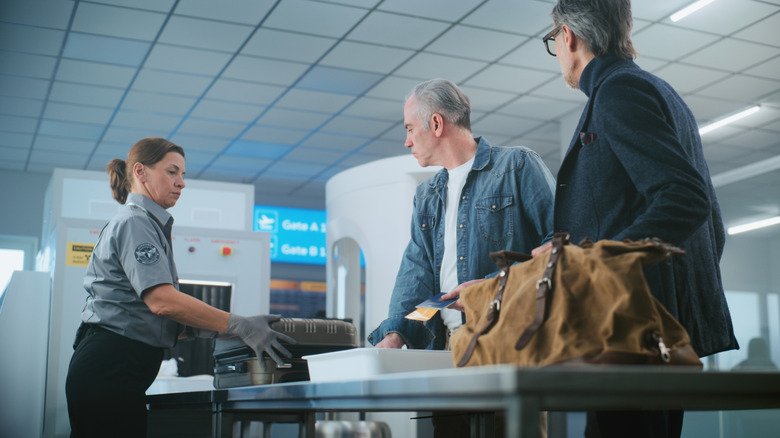
For anyone flying with a game console, the rules can feel like a maze. The good news is that the basics are consistent nationwide: the Transportation Security Administration applies the same broad guidelines to portable and home systems no matter which airport you use. The finer points, such as whether your device must come out of your bag at the checkpoint, can vary by airport and by the screening equipment on hand. Knowing the rules ahead of time, and applying some practical judgment about protecting your hardware, makes the trip smoother.
Batteries Decide Where Devices Go
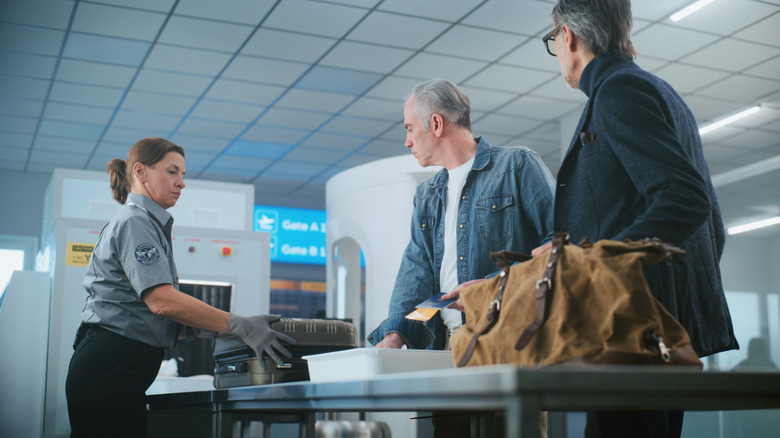
Most modern handhelds, including the Nintendo Switch 2 and the Steam Deck, run on lithium-ion batteries. The TSA requires any device with a lithium-ion battery to travel in carry-on baggage rather than checked luggage. The concern is thermal runaway, a situation in which a lithium-ion battery overheats uncontrollably and can potentially start a fire. Keeping those devices in the cabin means problems can be noticed and handled.
Older handhelds that use disposable alkaline batteries, such as a Game Boy, are not subject to the same restriction. Travelers may also be asked to power on a device to prove it is functional. Outside of that request, devices should stay switched off so they do not wake from sleep mode inside a bag and overheat.
Controllers and Consoles
Home consoles do not contain lithium-ion batteries, but most of their controllers do. That means controllers generally belong in carry-on luggage as well. One exception is an Xbox controller running on standard AA batteries, provided the separate rechargeable charging pack has not been purchased.
A home console such as a PlayStation 5 is permitted in checked baggage. Even so, it is not the safest choice. Bags are handled roughly during loading, and they can shift around inside the cargo hold. Objects also go missing from checked luggage; among consumer claims filed with the TSA between 2002 and 2025, roughly 63.5 percent involved property loss. Because consoles are expensive and contain delicate internal parts, keeping one with you allows you to watch over it.
If a console must be checked, pack it in a protective case with padding and include an AirTag so it can be located if it is lost.
What Happens at the Checkpoint
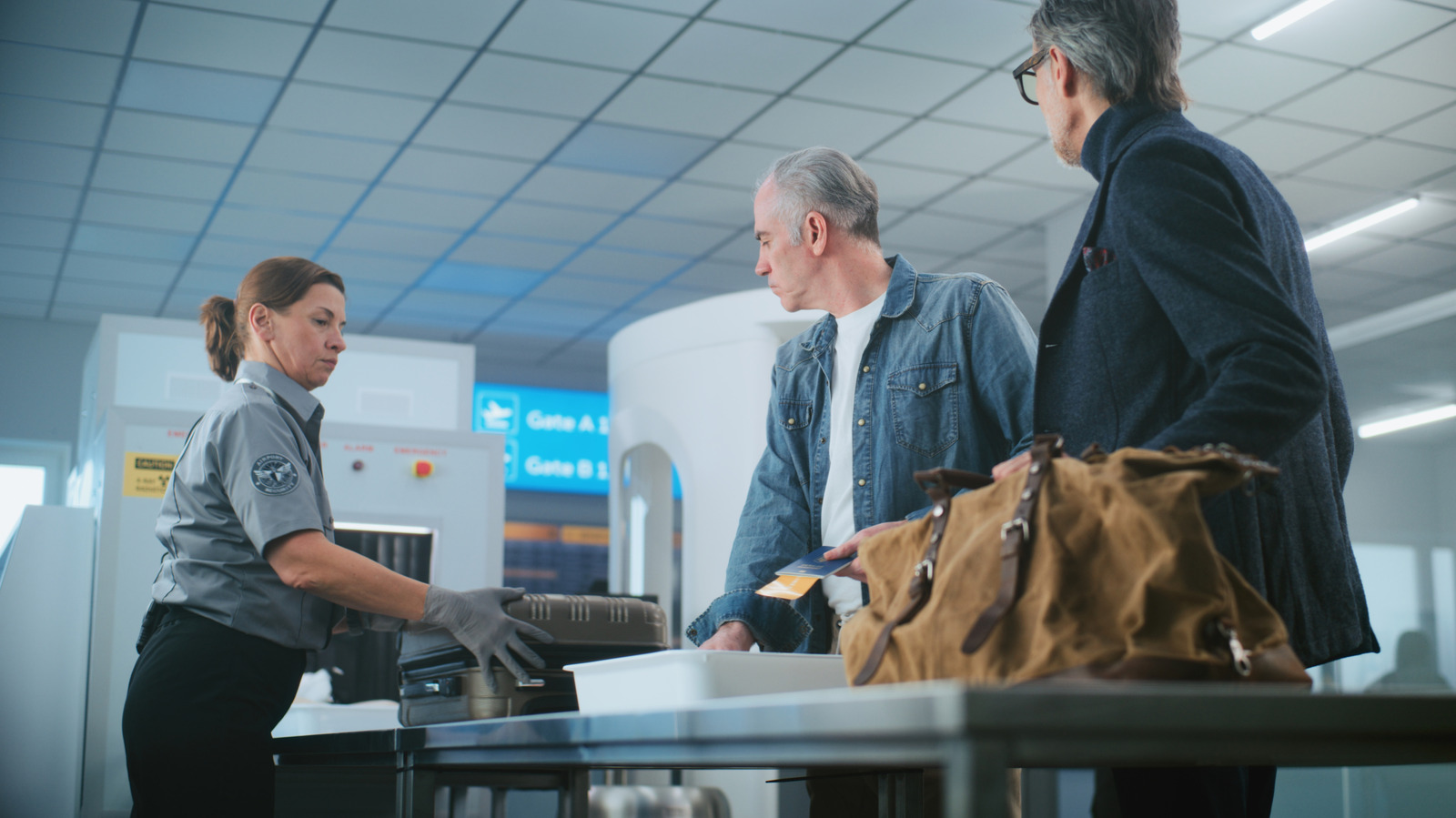
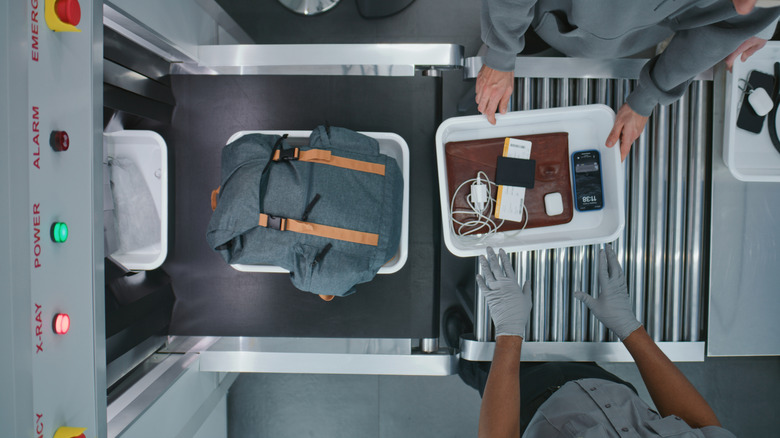
Whether a gaming device has to be removed from carry-on luggage or a backpack depends on the airport. Many airports around the country have installed CT scanners in place of X-ray machines, producing a 3D view of a bag and removing the need to pull out items such as liquids and electronics. Where those scanners are not yet in use, the TSA will likely ask travelers to place a console in its own bin, since it is an electronic device larger than a phone. Packing with that possibility in mind makes it easy to take the console out and put it back afterward.
For an unusual console that an average TSA officer might not recognize, it is best to mention it to an agent and let them decide whether it needs a separate bin. Otherwise, the bag is likely to be pulled aside for a more detailed inspection anyway.