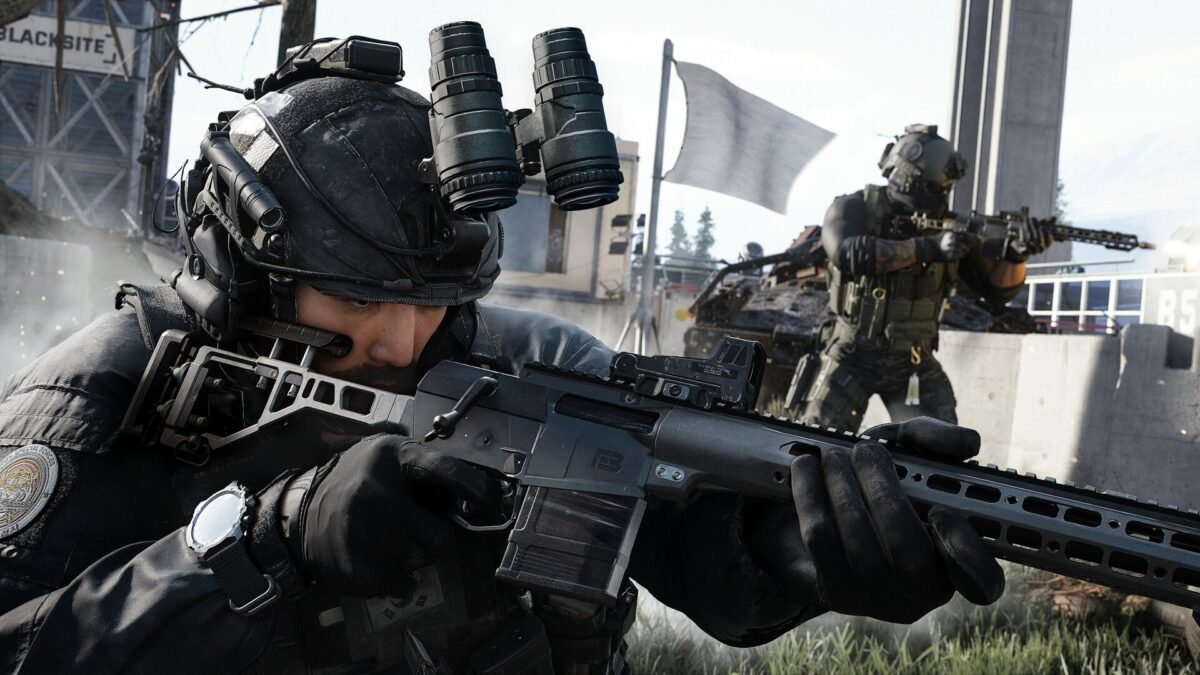
When players dive into the multiplayer of Call of Duty: Modern Warfare 4, the pulsing, aggressive score they hear may owe part of its punch to a humble piece of household hardware. Modern Warfare 4 composer Jason Graves has revealed that an aluminum garbage can lid is among the tools he reaches for when crafting the game’s multiplayer music.
In a conversation with TechRadar Gaming, Graves described his creative process for the multiplayer soundtrack, which he suggested is often treated as a secondary concern. He also shared what he considers his most entertaining—if not strictly technological—recording device.
A Recurring Role for a Kitchen Aisle Staple
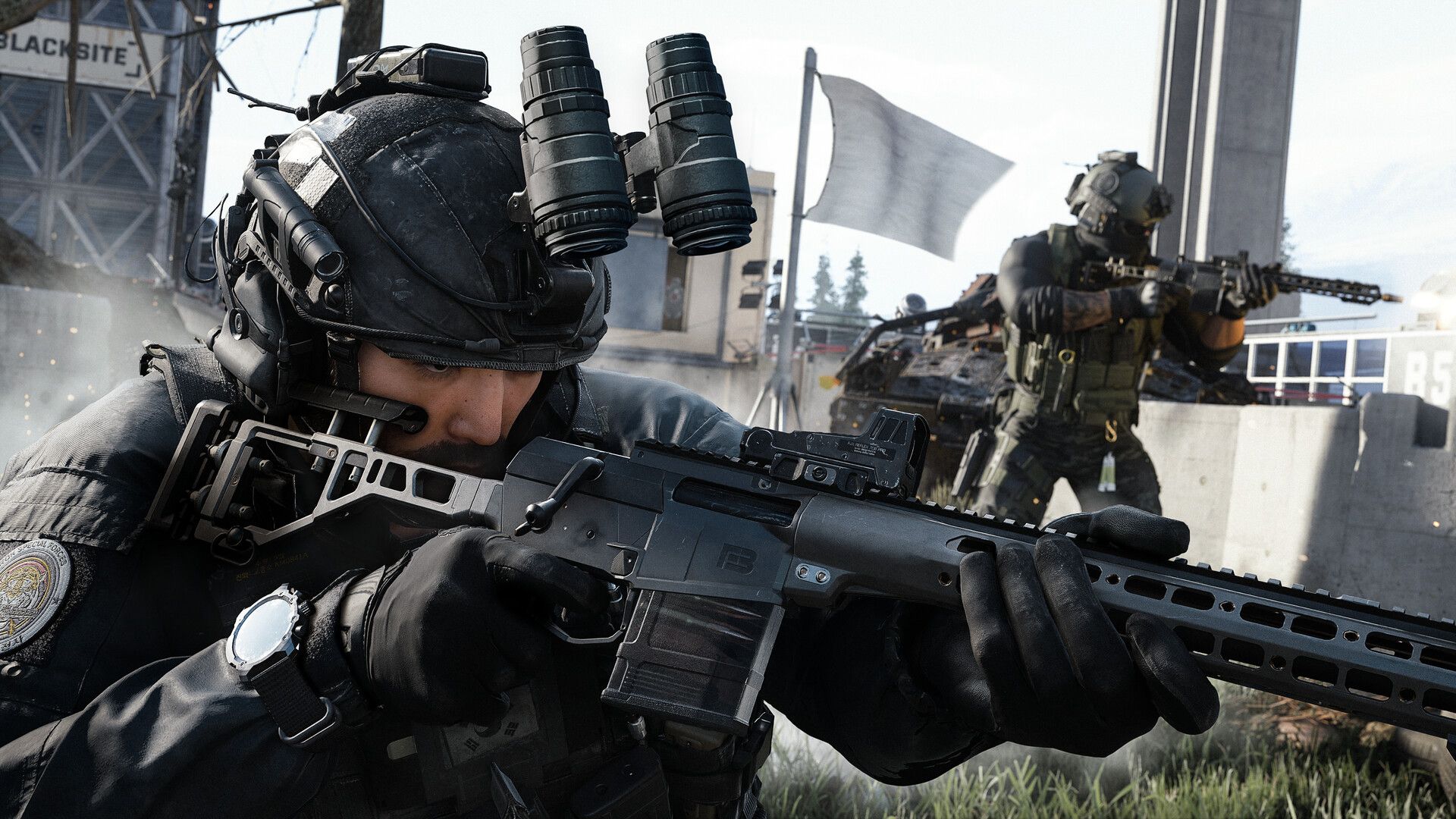
Graves did not hesitate when asked about his secret weapon. Rather than citing sophisticated studio gear, he pointed to the garbage can lid, noting that it is not the kind of equipment most people would classify as tech. He keeps it reserved for what he called special occasions, and its most recent appearance before Modern Warfare 4 came during work on 2022’s Call of Duty: Modern Warfare 2.
The composer explained that bringing the lid back for the new game felt like a natural decision. Its return underscores how Graves blends unexpected real-world objects into the sonic identity of the multiplayer experience.
Multiplayer Music Demands a Different Energy
According to Graves, scoring multiplayer is a fundamentally different task from writing for the campaign. The campaign, he said, carries more narrative beats and dramatic moments, while multiplayer requires a completely different atmosphere. To grasp that tone, he emphasized the importance of spending substantial time playing multiplayer.
What Graves aims to capture is a sense of forward motion and raw adrenaline. The music, in his view, should make players feel that anything could happen at any moment. That goal shapes both the instrumentation and the overall texture of the score.
He described the multiplayer soundtrack as leaning heavily on aggressive percussion, distorted electronic elements, and organic textures. Those ingredients, he said, help give the music its distinct character.
Mixing Real Sounds with Electronic Processing
Graves also spoke about his fondness for combining genuine, physical sounds with electronic manipulation. He finds particular satisfaction when the resulting sound becomes hard to identify, because that ambiguity contributes to the energy and unpredictability that suits multiplayer.
The approach helps explain why an object as ordinary as a garbage can lid can end up in a blockbuster game’s score. By treating everyday items as raw material and then processing them electronically, Graves creates textures that feel both grounded and otherworldly—an appropriate match for the chaotic, fast-paced nature of multiplayer combat.
For Graves, the method is not about novelty for its own sake. It is about finding the right sonic palette to support the player’s experience, whether through a carefully timed percussion hit or a distorted layer that blurs the line between the real and the synthetic.